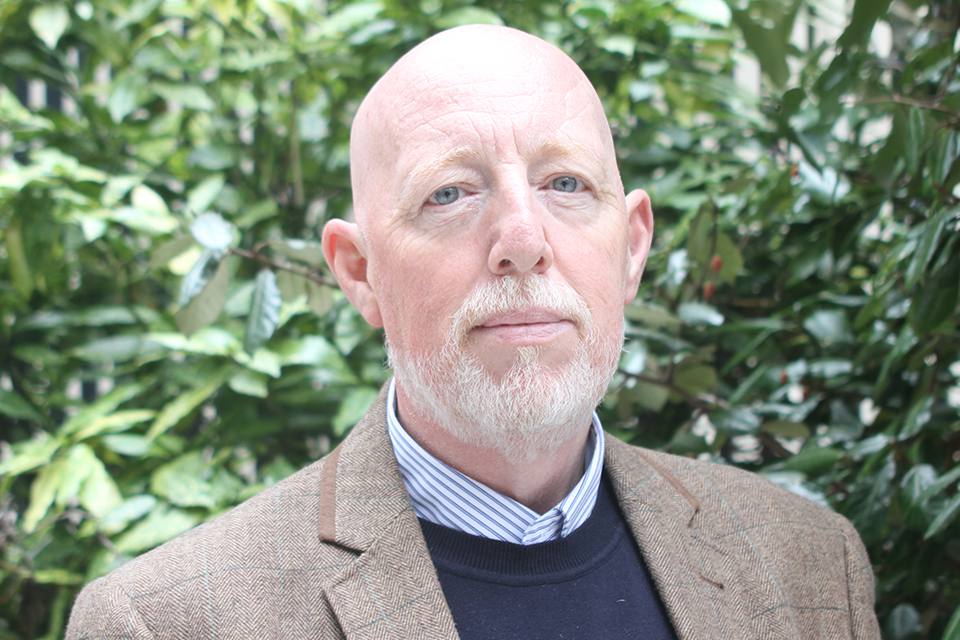
Some charity leaders are more concerned about advancing their careers than making a difference in the cause area they are working in, according to the chief executive of the support charity P3.
In a challenging talk to delegates at the Directory of Social Change’s online leadership and governance summit, Mark Simms also criticised sector leaders for not speaking out and said he was “absolutely furious about this slightly unhealthy obsession with being seen with important people”.
He said: “Charity leadership has become something on LinkedIn that is really about selfies.”
Simms, who is about to step down from the board of the Charity Commission after an almost four-year term, which included a spell as interim chair, said he was concerned that “personal ambition is getting in the way of delivering real change”.
“I’ve been a CEO for a long time and my organisation was tiny and now we’re big and people say that’s because you’re really successful,” he said. “It’s not. It’s because we’ve built an organisation based on societal failure to end homelessness. I don’t see it as a success.
“But I didn’t really have an ambition to lead a bigger organisation. I had an ambition to end the problem.”
He went on to say: “I think for some leaders, though, the job and the career has become far more important than the mission and purpose of the charities they’re leading.
“I’ve had these conversations with people: they’re running a £10m charity and they’re telling me they’ve got the skills to run a £30m charity.
“But they don’t really care what charity it is. They just want to run a £30m one and then a £50m one and then maybe a £100m one.
“I think: ‘What the hell’s going on? Where’s your drive to deliver the change?’”
He said that if someone’s main aim was to secure their next big job, they would be very careful about who they upset.
“So your behaviour starts to be modified because you won’t want to fall out with a minister who might be on a panel one day.
“You won’t want to challenge a major funder too strongly. You won’t want to annoy the influential chair of another organisation.
“So you become diplomatic, measured, terribly good at maintaining relationships. And without realising it, you start making decisions based on what’s good for your career rather than what’s right for your charity.”
He said the people the sector works alongside “didn’t ask us to build our careers on the back of their misery”, needing instead leaders to do the job they’ve been entrusted to do.
“Sometimes that does mean upsetting people. Sometimes it means saying something that won’t go down particularly well at the next sector dinner.
“Sometimes it means telling a minister that their policy is dreadful and explaining why and offering a better solution.”
Simms also said that with everything that was going on around the world, he could not understand “why so many leaders are silent”.
He said: “This is what worries me most of all, because while we’re busy talking about our governance arrangements, organisational cultures and all that kind of stuff, too many folks are silent.”
He said colleagues working with migrants and refugees were scared that their houses were going to be attacked.
“They’re doing exactly what our sector exists to do, providing safety, offering dignity and helping people rebuild their lives.
“And I know there are courageous organisations out there speaking out, often at considerable personal and professional cost. I admire them enormously.
“But honestly, where are the rest of us? Where are the foundation voices? Where are the rest of the big organisations?
“We should be standing alongside them, providing solidarity and having a collective voice.”
Simms said he often worried that the sector had become good at “expressing concern privately and rather less willing to do anything publicly”.
He said: “If we’ve got a platform, influence and a bit of organisational security, surely we should be prepared to use them when it really matters.”
He said not every charity needed to speak up on every issue, “but I do think, genuinely, that we have a responsibility to defend the legitimate role of charities in speaking up, particularly when the organisations are being attacked for doing precisely what they’re established to do”.
He said: “The selfie, which we see all the time, isn’t that achievement.”