Flying home from an international vacation during the winter holidays is already exhausting, and the last thing any traveler wants after a long flight is to get pulled into a back room at the airport for a secondary customs inspection.
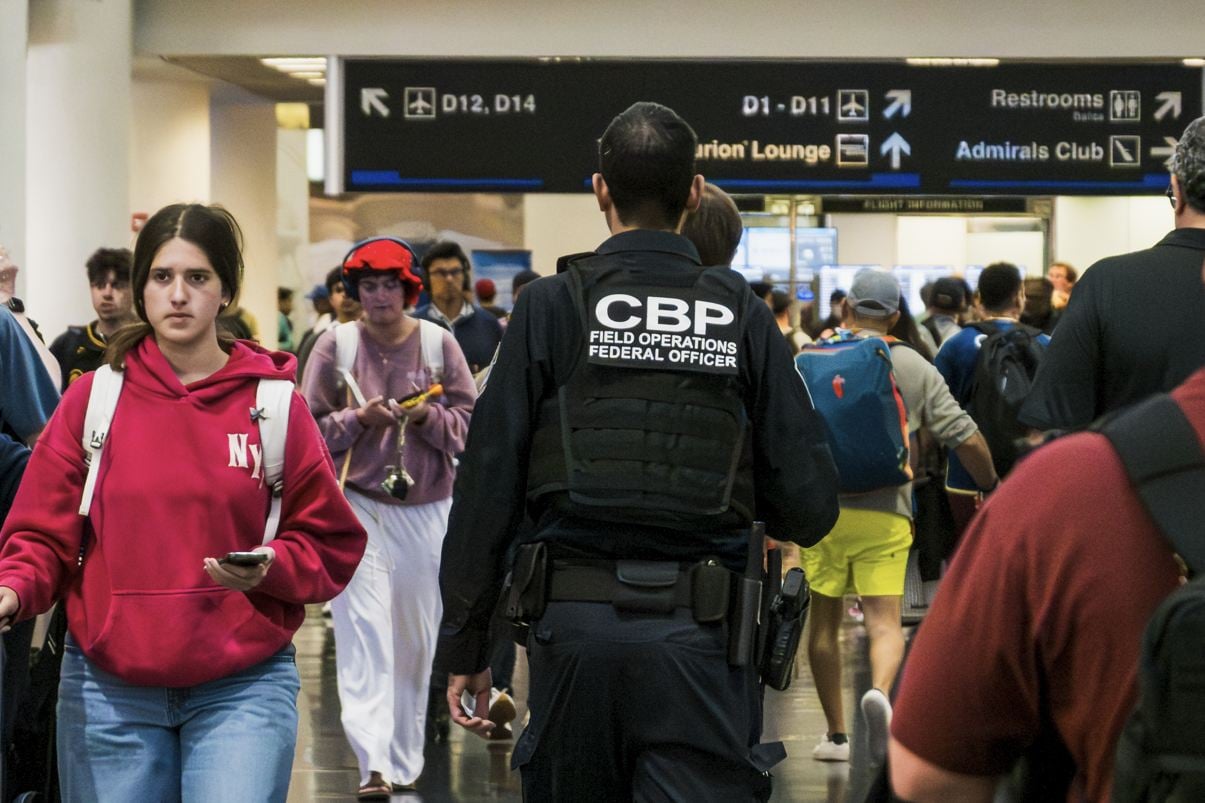
Ahead of the busy holiday travel rush, U.S. Customs and Border Protection (CBP) just released an official advisory on November 13, 2026, reminding international travelers of the federal rules enforced at U.S. ports of entry. Along with verifying that your passport, visa, or ESTA authorization is valid before departure, CBP outlined specific customs protocols you must follow when heading home. Whether you are flying back from an all-inclusive resort in Mexico, returning from European Christmas markets, or crossing a land border, failing to follow these guidelines can result in delayed entry, confiscated belongings, financial penalties, or the revocation of your Global Entry membership.
Five strict rules from the latest U.S. Customs advisory govern every American returning from an international trip this winter.
1. Keep Prescription Medications In Their Original Labeled Containers
One of the most common mistakes travelers make when packing for a vacation is dumping all of their daily prescription pills into a plastic weekly pill organizer to save space in their carry-on bag. According to the latest CBP holiday directive, traveling with loose, unlabeled prescription drugs can cause major headaches when you re-enter the United States.
Customs officials explicitly advise travelers to keep all prescription medications in their original, pharmacy-labeled containers and bring only the exact quantity needed for the duration of the trip (if an original container is unavailable, travelers should carry a copy of their official prescription or a formal letter from their doctor). This rule is especially important for Americans visiting foreign pharmacies in destinations like Mexico or the Caribbean. Importing foreign-made versions of personal drugs is generally illegal for U.S. citizens, and U.S. residents without a valid domestic prescription are strictly limited to 50 dosage units for controlled substances.
2. Declare Every Single Food Item, Holiday Gift, And Souvenir
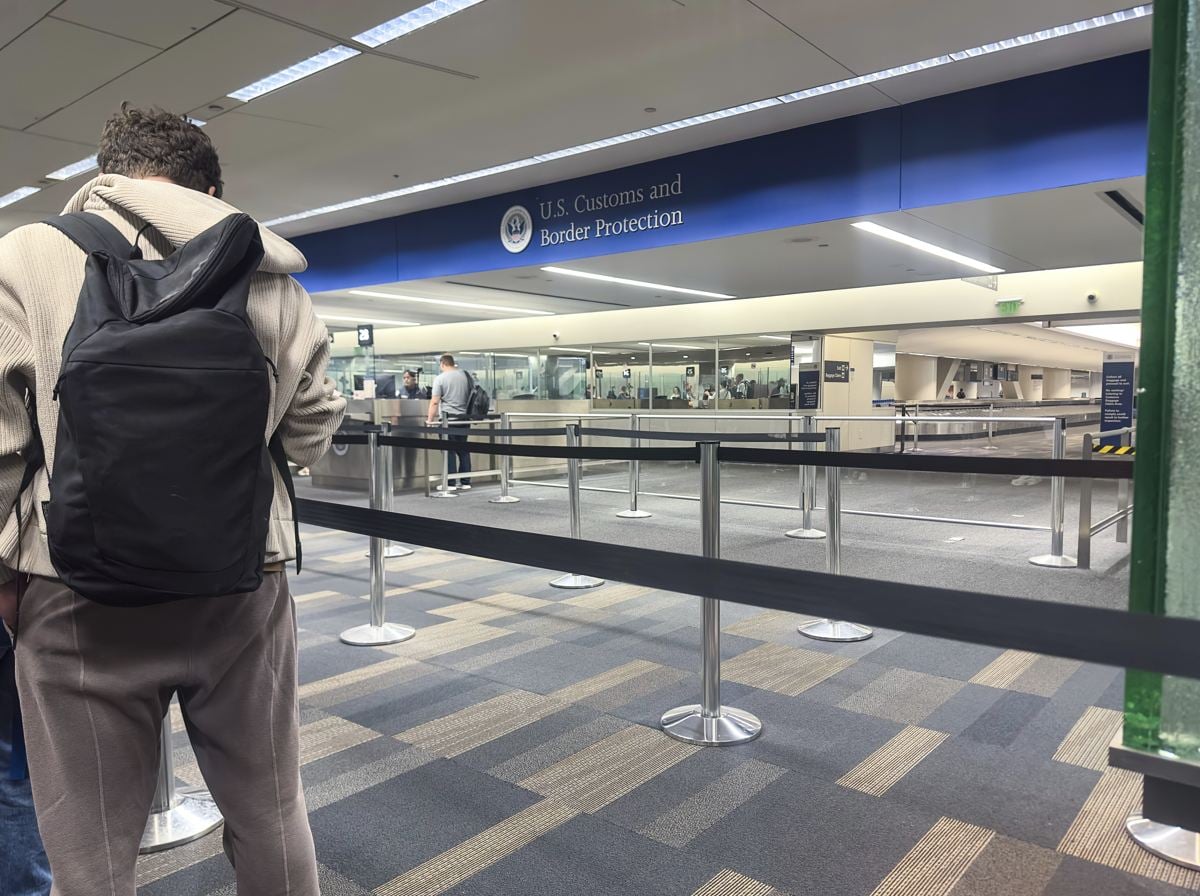
When you step up to a customs officer or an automated kiosk, guessing whether an item in your suitcase needs to be declared is a risky game. In its winter reminder, CBP emphasized that travelers must declare all gifts, retail purchases, food, plants, seeds, soil, biological materials, animal products, alcohol, and tobacco acquired abroad.
Many travelers hesitate to mention foreign snacks, fruits, meats, or holiday treats because they assume declaring food automatically means an officer will throw it in the trash. CBP specifically notes that declaring an item does not automatically mean it will be confiscated or charged import duty. Instead, declaring allows CBP agriculture specialists to quickly inspect the item to make sure it does not carry foreign pests or diseases. If you declare a prohibited apple or package of cured meat, the officer will simply take it and wave you through. If you fail to declare a prohibited agricultural item and an X-ray machine or sniffer dog finds it in your bag, while officers have the discretion to issue a warning for an honest mistake, first-time civil penalties typically start at $300 and can reach up to $1,000, alongside the potential loss of your Trusted Traveler status.
3. Report Any Currency Over The $10,000 Threshold
It is completely legal to travel into or out of the United States with as much cash as you want, provided you follow one strict federal reporting rule. CBP reminded holiday travelers that anyone transporting $10,000 or more in currency or monetary instruments must officially report it to customs officers using FinCEN Form 105.
The biggest trap for vacationers is not realizing how the $10,000 limit is calculated. This rule does not apply per individual person if you are traveling together as a household; it applies to the combined total of your family or travel group, and it includes both U.S. dollars and foreign currency. If a couple or family is carrying $10,000 combined and tries to split the cash between two different wallets to evade the reporting requirement, CBP considers that illegal “structuring”, which can result in the immediate seizure of all your cash and severe federal penalties.
Editor’s Tip: Do not play the guessing game when packing your bags. Use our free International Customs Rules Checker to look up the exact entry rules, duty-free limits, and banned items for your destination in seconds so you never get caught off guard at the airport.
4. Trusted Traveler Members Are Still Subject To Full Inspections
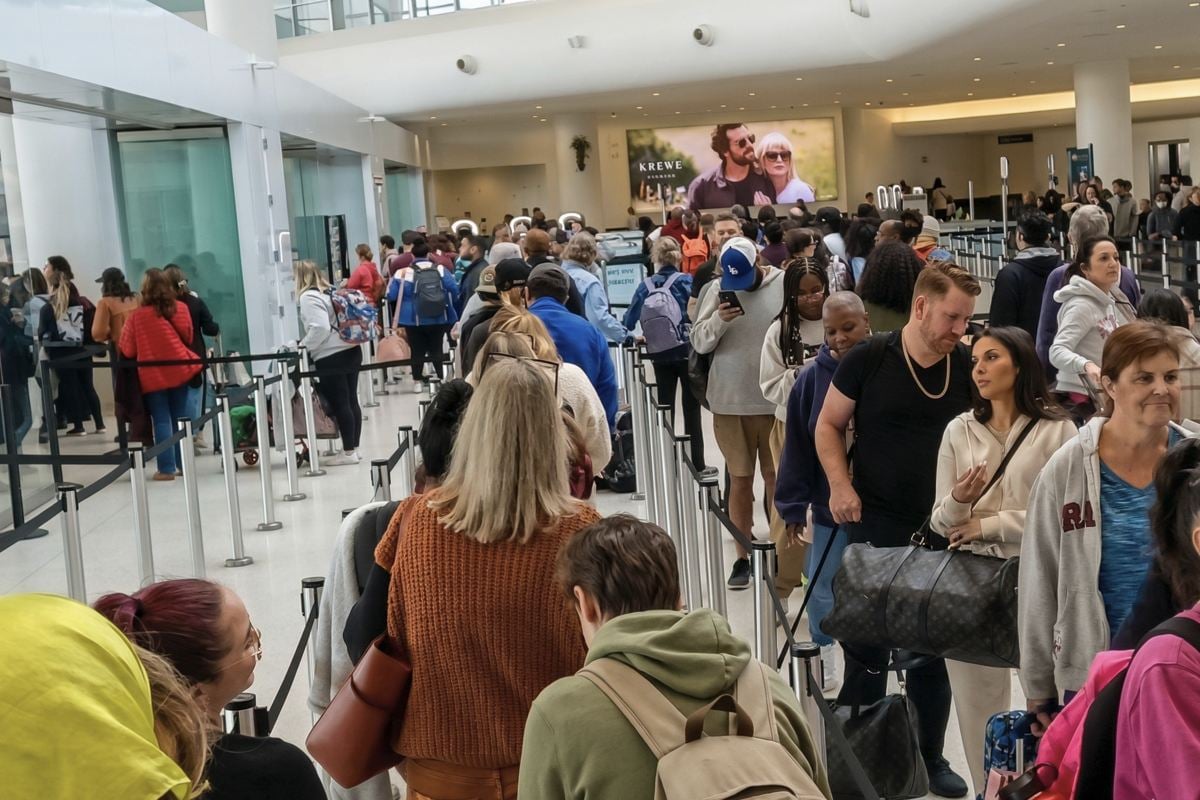
Having a Global Entry, NEXUS, or SENTRI membership is the ultimate way to breeze past long international arrival lines, especially now that the Trusted Traveler mobile app lets you snap a photo on the plane and walk straight toward the exit. However, CBP used its November advisory to remind expedited members not to get complacent.
The agency stressed that all Trusted Traveler members remain 100 percent subject to inspection every time they cross the border, and program enrollment fees are strictly non-refundable. Because CBP holds Global Entry members to a strict standard of compliance, any customs violation (even something as minor as forgetting an undeclared piece of fruit in your backpack or bringing back duty-free liquor over your personal exemption limit) can result in the immediate revocation of your membership. While travelers do have the right to appeal a revocation through the CBP Trusted Traveler Ombudsman or reapply depending on the severity of the mistake, that appeal process can take months to resolve.
5. Use Official CBP Digital Tools To Skip The Holiday Bottlenecks
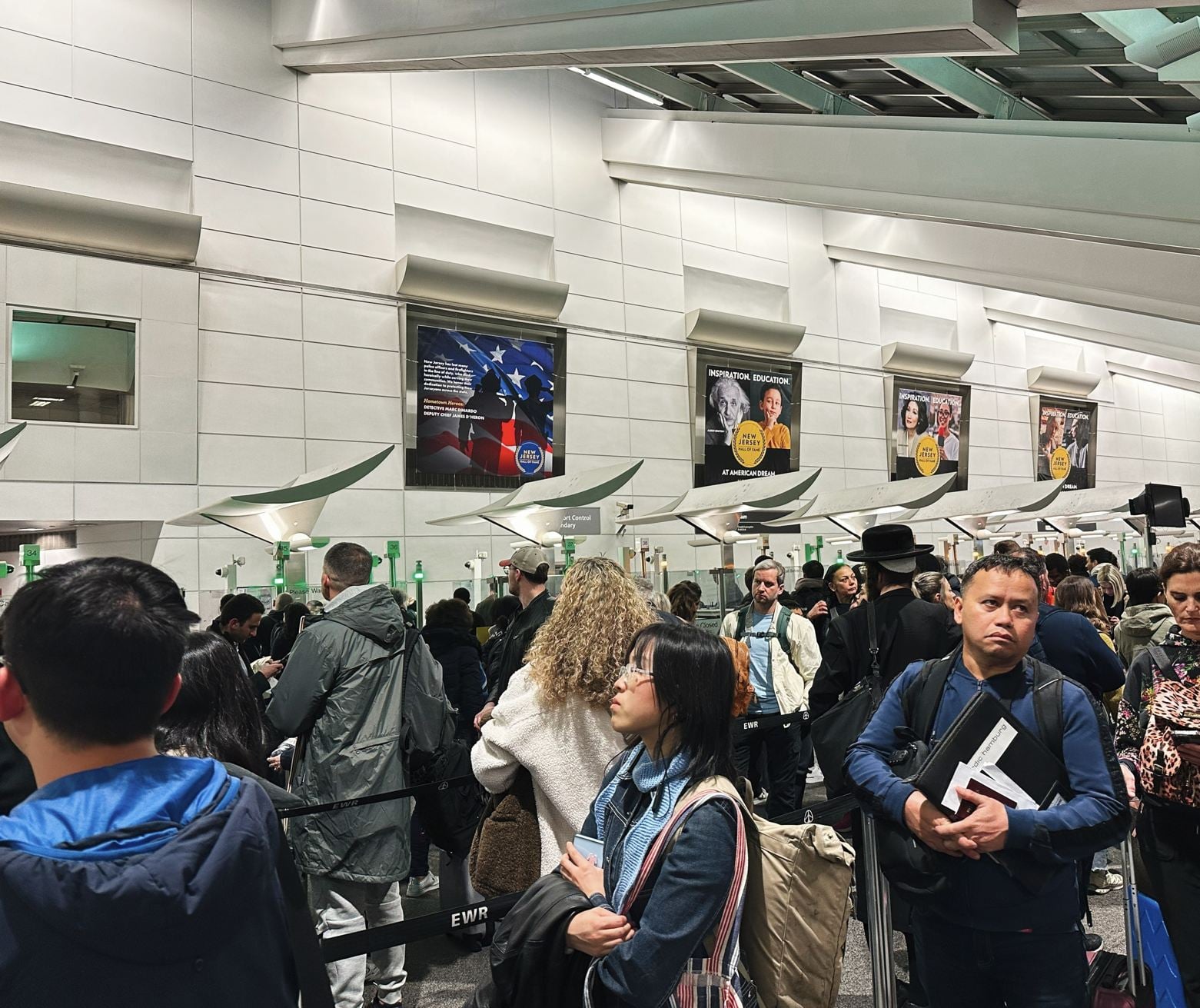
Alongside its enforcement warnings, U.S. Customs urged travelers to use free government tools to speed up the screening process and avoid two-hour bottlenecks at international arrival halls this winter.
If you do not want to pay the application fee or wait for a background check for Global Entry, CBP recommends downloading the free Mobile Passport Control (MPC) app before your flight home. Available to U.S. citizens, lawful permanent residents, Canadian B1/B2 visitors, and returning Visa Waiver Program travelers with an approved ESTA at participating airports, cruise terminals, and land ports, the MPC app lets you submit your passport information, take a quick selfie, and answer your customs declaration questions digitally as soon as you arrive. You then receive a digital receipt that gives you access to a dedicated, expedited MPC inspection lane. For those driving back across land borders from Mexico or Canada, CBP also recommends checking the official Border Wait Times portal and using dedicated Ready Lanes if you have an RFID-enabled passport card or enhanced driver’s license.
Enter your email address to subscribe to Travel Off Path’s latest travel news, straight to your inbox