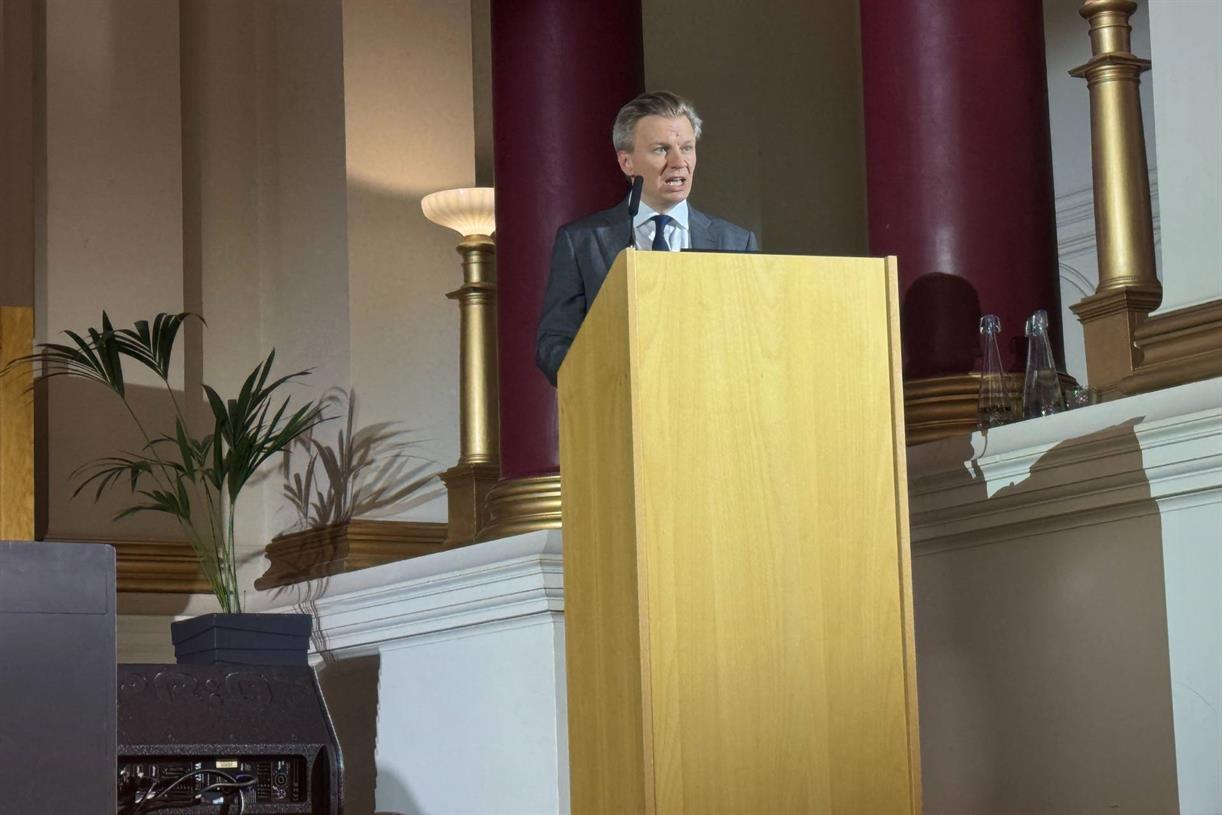
The Charity Commission is “clear-eyed” on the threat posed by hostile foreign state influences, its legal chief has said.
Speaking at the Charity Law Association annual conference in central London, Jan Lasik, director of legal and accountancy services at the Charity Commission, said the regulator had a number of live inquiries regarding charities with potential links to foreign regimes.
Lasik referenced the regulator’s second annual Charity Sector Risk Assessment report, which was published in August.
“Foreign regimes – Iran springs to mind given geopolitical events recently – may use the charitable sector as a vehicle to build influence or legitimacy in the UK while working against the very interests of the institutions hosting them,” he said.
“The commission is very clear-eyed on the threat to the sector posed by hostile foreign state influence.”
The regulator has also noted cases this year concerning potential risks posed by individuals in positions of power or influence, including what the commission has termed “spiritual influence”, Lasik said.
“I want to be really careful because these are sensitive matters, and I don’t want to overstate or to generalise,” he said.
“But I think the pattern is familiar: trust and authority, once vested in an individual, can be misused.
“Charities built around belief and community can be particularly vulnerable to that kind of misuse if governance isn’t robust enough to hold individuals to account regardless of their standing.”
Lasik said AI was an area where it seemed legal advice was “constantly playing catch-up with the breakneck speed of technological developments”.
He said: “Another risk is AI being used in ways that could put a charity’s own beneficiaries or employees at risk.
“Think here of LLM-powered chatbots deployed in sensitive support services without adequate oversight or AI agents making decisions about eligibility for support, for instance, without a human meaningfully checking the outcome.”
But AI and other digital technology could be “positively transformative” when used well, Lasik said.
“It can make services more efficient and accessible, and at its best, it can allow charities to reach people who would otherwise fall through the cracks,” he said.
“But trustee boards remain responsible in law for the consequences of using such technology.
“That responsibility doesn’t transfer to the software, the AI agent, or the single unfortunate trustee with an IT background.”