After a crash, getting back to normal can be hard enough without feeling pressured to accept less than your injuries and losses deserve. In 2025, Missouri recorded 908 fatalities, down from 958 in 2024. The state also reported 103,960 crashes in 2024, with 40,302 people injured. These figures show why the financial impact of a collision can extend beyond vehicle repairs, particularly when medical treatment, lost income, or lasting limitations are involved.
In St. Louis, an insurance settlement may seem helpful at first, but an early offer may not necessarily reflect a claim’s full value. A St. Louis auto accident attorney can examine medical records, crash evidence, lost wages, property damage, and other losses to assess if the insurer’s offer is fair. They can challenge unsupported assumptions, organize evidence, and negotiate for a more complete resolution. Understanding this process can make it easier to respond to a low settlement offer.
How the Team Tests the Fault Claim
A Missouri driver facing a fault dispute needs evidence that explains how the crash happened, not simply a denial. Counsel reviews the police report, photographs, vehicle damage, roadway conditions, and witness accounts. An auto accident attorney can compare those materials with the insurer’s position and identify unsupported assumptions. This review gives the claim a factual structure before settlement discussions begin.
What the Physical Evidence Reveals
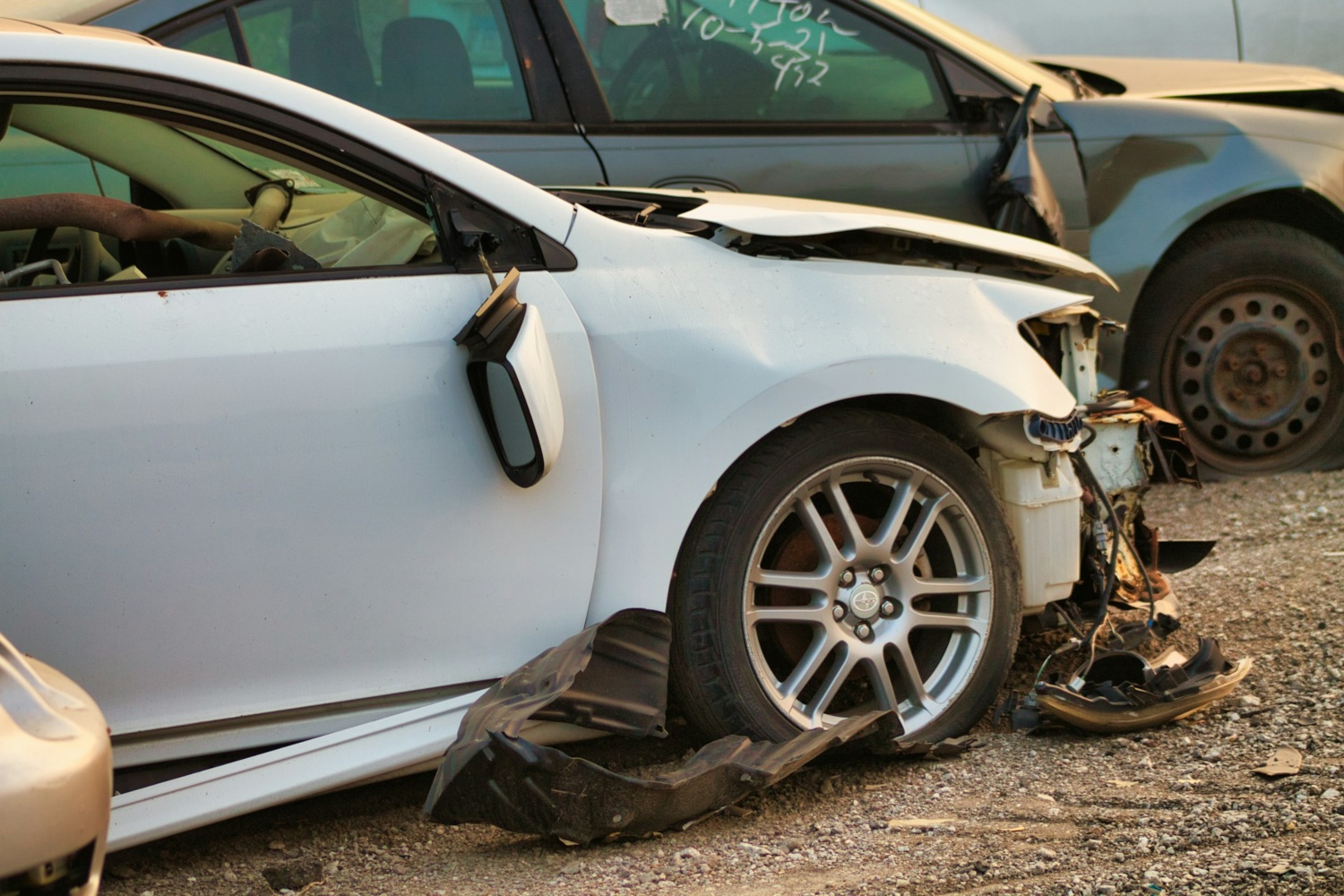
Vehicle damage often shows the direction and force of an impact. Scrape marks, crushed panels, broken lights, and deployed airbags help establish where the vehicles made contact. Photographs taken soon after the crash preserve details that repairs, weather, or traffic changes could erase.
Roadway evidence also matters. Investigators examine lane markings, traffic signals, sight lines, skid marks, road debris, and lighting conditions. A driver’s account becomes less persuasive when it conflicts with the roadway layout or damage pattern.

How Witness Accounts Are Evaluated
Witnesses can confirm vehicle positions, traffic movements, and the timing of a collision. A careful review compares each account with the police report, photographs, and statements from other people at the scene.
The team also checks whether a witness had a clear view, understood the traffic movement, and reported observations promptly. Differences between direct observations and later conclusions can affect the weight assigned to a witness account.
How Records Challenge Shifting Explanations
Insurers sometimes change their fault position after reviewing a claim. A legal team tracks those changes through letters, recorded statements, claim notes, and information requests. The record can show whether the insurer relied on evidence or worked with an unsupported explanation.
Medical records address another disputed issue, especially when an insurer questions whether the crash caused an injury. Treatment dates, diagnostic findings, prior medical history, and physician opinions help separate crash-related conditions from unrelated complaints. Consistent records also help link the injury to the reported collision.
When Accident Reconstruction Matters
A reconstruction review helps when the vehicles’ movements remain disputed or the available evidence conflicts. The analysis considers speed estimates, impact angles, vehicle positions, stopping distance, visibility, and traffic controls.
The goal is a testable explanation of the collision. That explanation must fit the physical evidence and account for each driver’s actions. Reconstruction does not replace witness testimony, but it can show why one version of events fails to match the scene.
How Liability Rules Affect the Claim
Missouri uses comparative fault principles, so an injured person’s percentage of responsibility can reduce the amount recovered. An insurer therefore has an incentive to assign blame to the injured driver, even when another driver caused the collision.
A fault review separates conduct from speculation. It identifies the following:
- The traffic rule involved
- The action that violated it
- The connection between that action and the impact
This approach keeps negotiations focused on evidence instead of broad accusations.
How the Dispute Moves Toward Resolution
After gathering the records, the team organizes the evidence into a clear demand or response. The presentation explains liability, injury treatment, expenses, lost income, and the impact of the injuries on daily activities.
Negotiations then address the insurer’s stated objections. If the evidence supports the injured driver’s position, counsel can respond with photographs, witness statements, medical records, and reconstruction analysis. If settlement talks fail, the same organized record supports a court filing and later litigation decisions.
Conclusion
A fault dispute requires lawyers to do more than just repeat a driver’s account. The strongest response weaves scene evidence, witness testimony, medical records, traffic rules, and financial losses into one consistent explanation. Anyone injured in a Missouri collision should preserve photographs, seek medical care, avoid recorded statements without legal advice, and save every insurer communication. Early action protects evidence and gives counsel time to test the fault claim before an insurer’s position hardens.
For more automobile reads, click here.