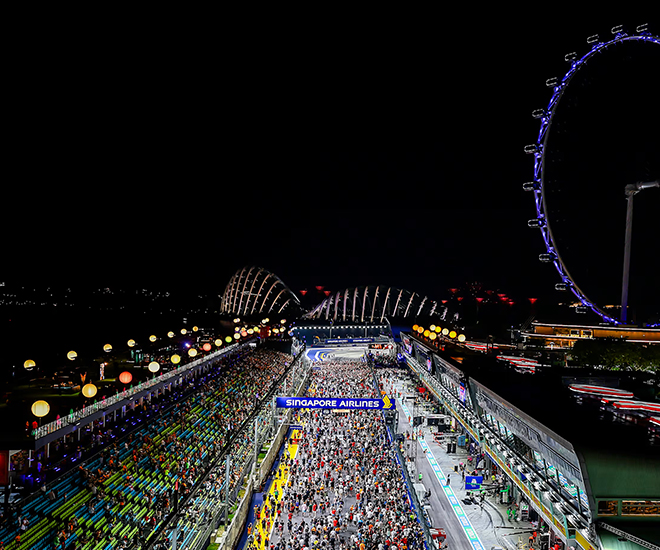
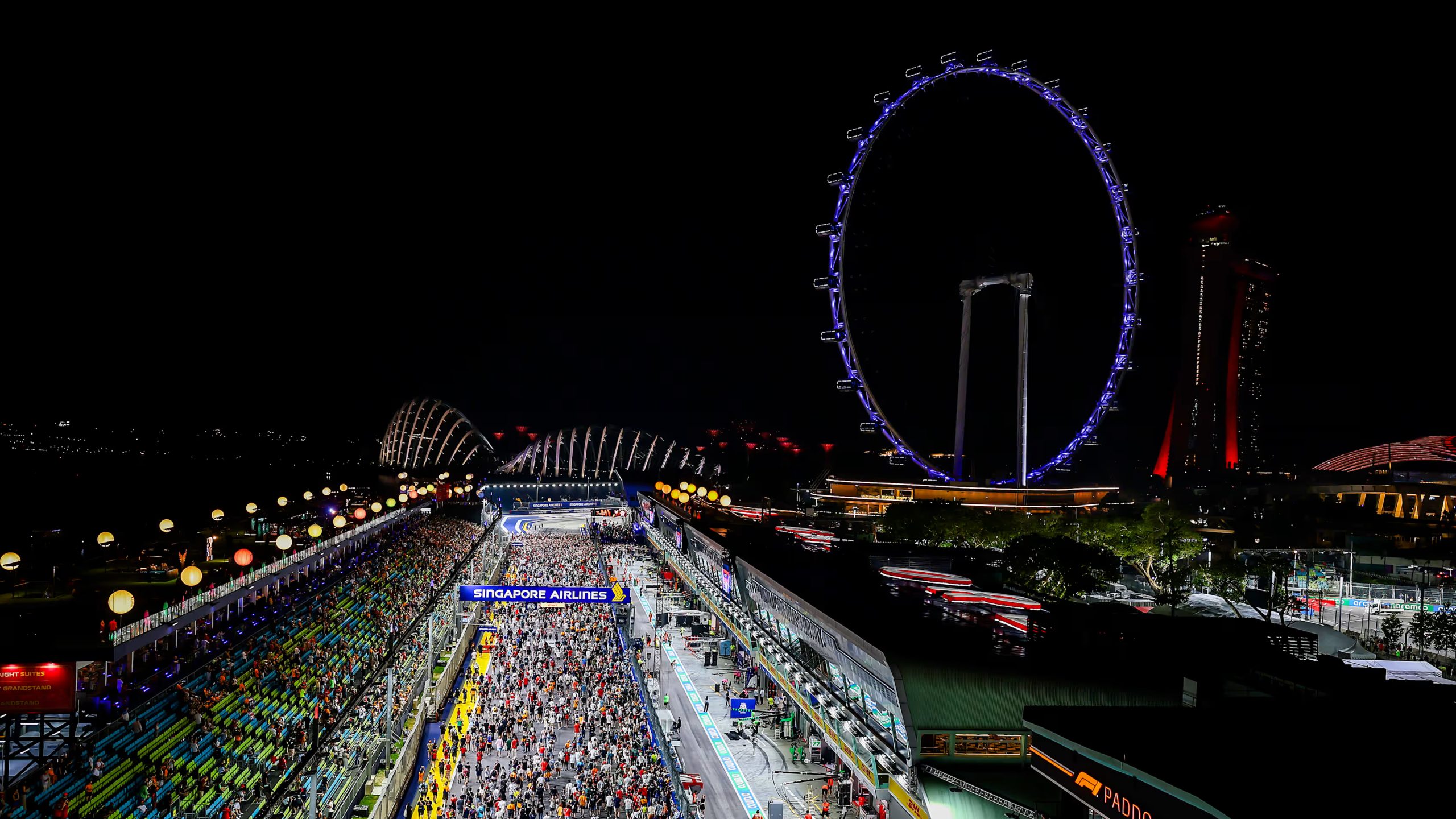
Every October, Singapore comes alive for one particular weekend. Roads are closed and floodlights take over Marina Bay while thousands gather across the city as Formula 1 (F1) returns for the Singapore Grand Prix. Since its debut in 2008 as F1’s first night race, the event has become one of the most anticipated weekends on Singapore’s calendar.
Nearly two decades later, the Grand Prix has grown beyond the race itself—the circuit continues to evolve, the cars have entered a new generation and the events surrounding the weekend have become a significant part of the experience. In 2026, Singapore will host its first ever F1 Sprint alongside the introduction of new technical regulations, while Grand Prix Season Singapore continues to bring race-themed experiences across the city.
Behind the spectacle, F1 has also become an important contributor to Singapore’s tourism and commercial activity. According to Singapore’s Ministry of Trade and Industry, attendance grew by 11.7 per cent between 2024 and 2025, while the event has generated more than SGD 2.2 billion in total of tourist spendings since its debut in 2008. The numbers reflect the continued relevance and with Singapore’s F1 contract secured through 2028, the relationship between the city and sport is set to continue for years to come.
A New Race Weekend
The biggest change to this year’s Singapore Grand Prix is the introduction of the F1 Sprint. Unlike previous race weekends, which followed the traditional format of practice and qualifying before Sunday’s Grand Prix—2026 will feature Sprint Qualifying on Friday, followed by the 100km Sprint and Grand Prix Qualifying on Saturday before the main race on Sunday. This gives fans an additional competitive race across the weekend, while giving teams fewer opportunities to settle into the circuit before points are on the line.
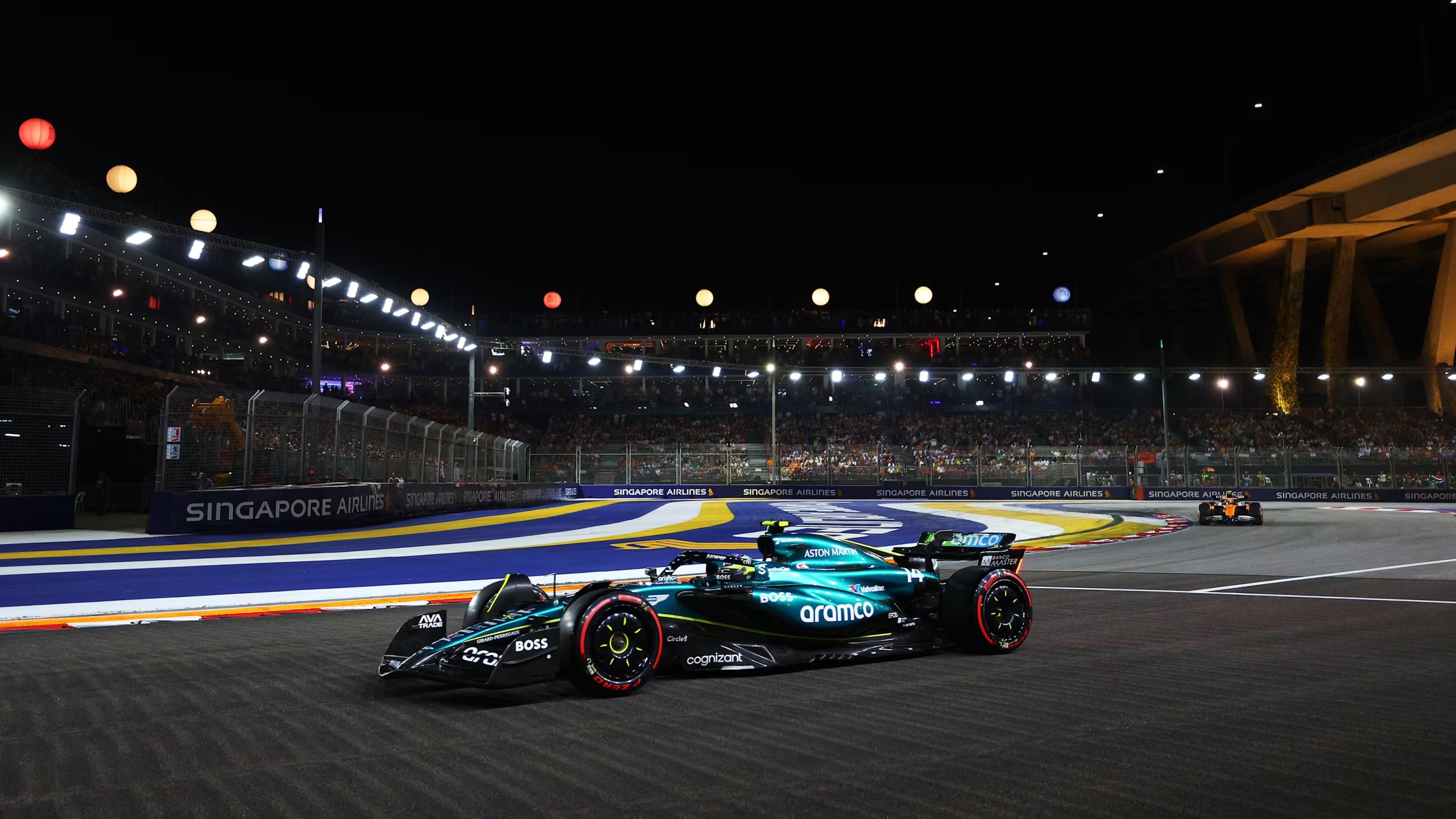
The Sprint also adds another opportunity for teams and drivers to compete on a circuit that has continued to evolve since the race first arrived in Singapore. In 2023, the Marina Bay Street Circuit was redesigned with the removal of Turns 16 to 19 and the introduction of a 397.9-metre straight, reducing the circuit from 23 corners to 19. The change created a faster final sector and altered how drivers approach the lap—adding another layer to the circuit that is already known for its combination of corners, long straights and humid conditions.
The circuit has continued to receive smaller refinements. In 2024, a fourth Drag Reduction System (DRS) zone was added. DRS allowed drivers to open a section of the rear wing on designated straights to reduce aerodynamic drag and gain speed when attempting to overtake. Under the 2026 regulations, DRS has been replaced by active aerodynamics and Overtake Mode, giving drivers new ways to manage aerodynamic drag and electrical power during a lap. The pit lane speed limit was also increased from 60km/h to 80km/h in 2025.
These changes may seem small individually, but they have gradually altered how the Marina Bay circuit is driven. This year, the Sprint means those changes will be experienced across more competitive running than in previous editions.
The Cars Have Changed Too
The 2026 season marks one of the biggest technical changes in recent F1 history. According to F1’s overview of the 2026 regulations, the new cars are smaller and lighter, with the minimum weight reduced from 800kg to 768kg. They also feature active aerodynamics, allowing the front and rear wings to change configuration between corners and straights to balance downforce and speed.
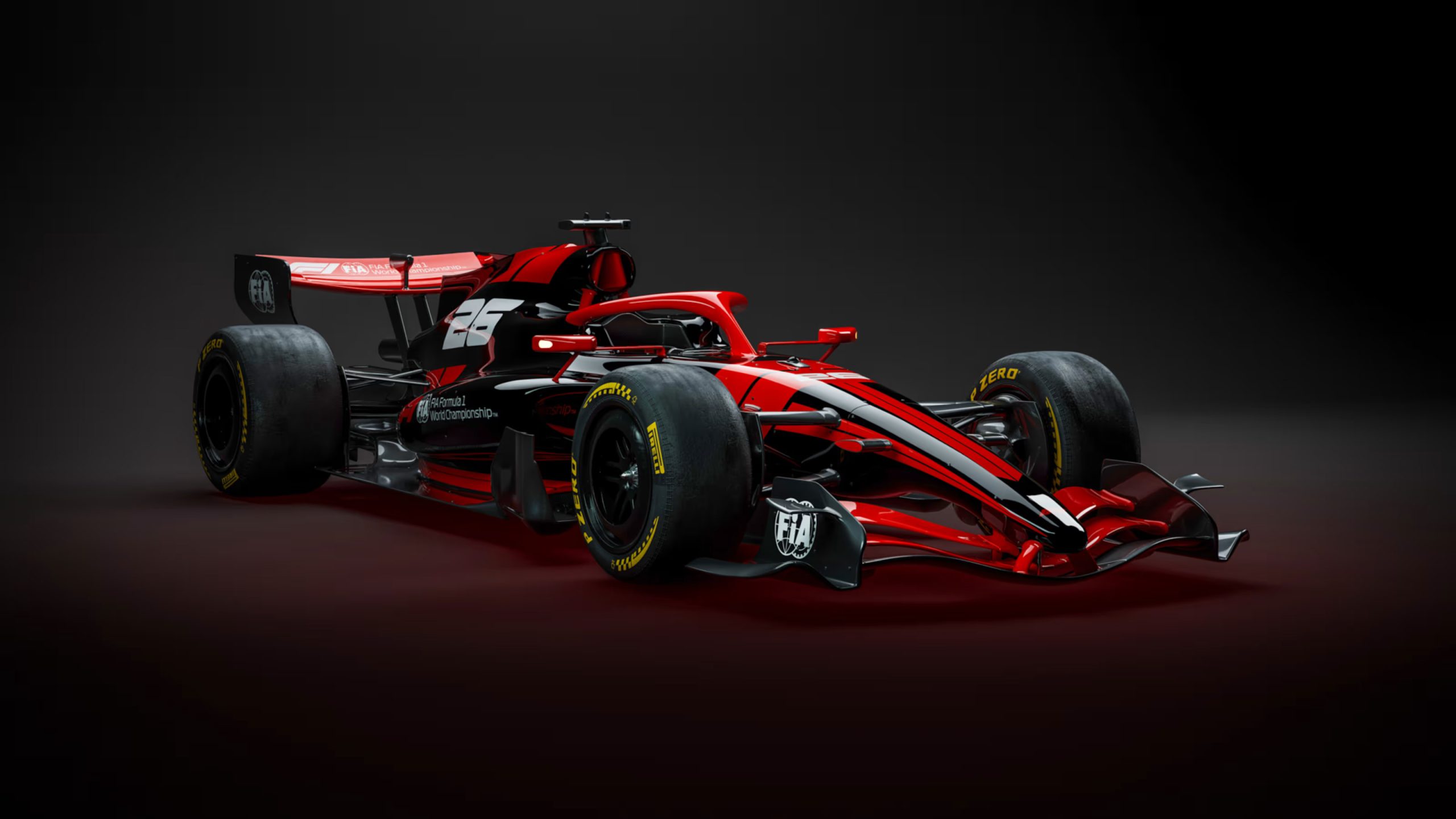
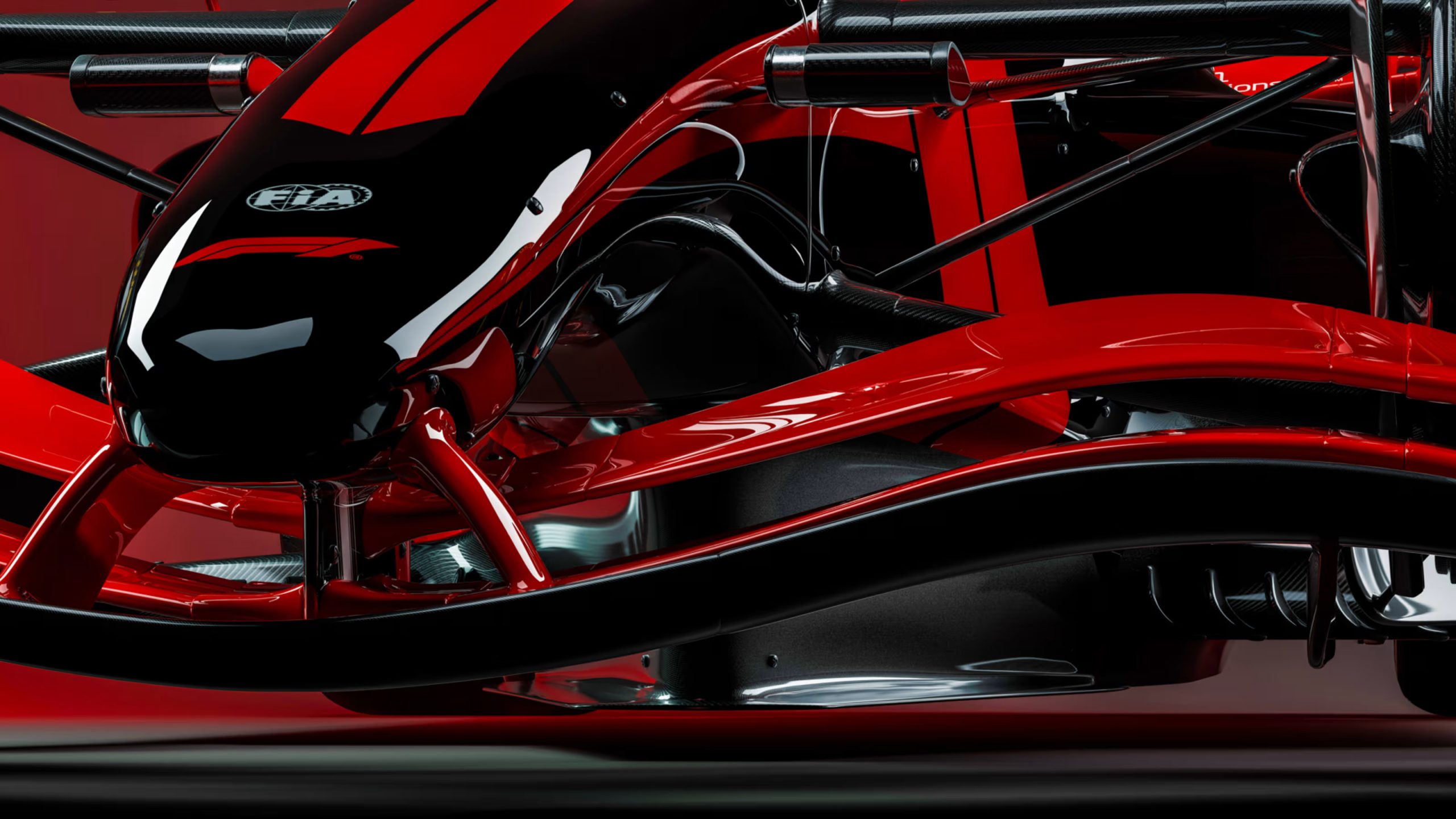
Images courtesy of Formula 1.
Read more: The Pursuit of Perfection: Why Formula 1 Still Defines Automotive Ambition
The power units have also been redesigned to place a much greater emphasis on electrical power. The previous MGU-H system was removed while the electrical output from the MGU-K has increased. These power units will move towards an approximately 50:50 split between internal combustion and electrical power while the cars will run on Advanced Sustainable Fuel.
For Singapore, these new changes bring about a new technical challenge for the teams. Teams will have to balance the demands of the new cars with the circuit’s heat, humidity and limited room for error, while drivers adjust to a car that behaves differently from the one they drove here just a year ago. For fans, it adds a new perspective to a race that is familiar to them.
The Grand Prix Has Become a Weekend of Its Own
As each year goes by since its debut, F1 continues to evolve and not just around the race track. From what was known as the first night race has now grown into a major calendar of events combining motorsport with fashion, entertainment, hospitality, dining and nightlife.
The performance alone has become a significant part of the occasion, with each year having a different line-up that spans across K-Pop artistes to guest DJs and that only builds up more anticipation as the dates move. Around the circuit, restaurants, hotels and bars participate in the influx of visitors with exclusive menus and events while sporting retail brands have exclusive pop ups and merchandise for fans to purchase.
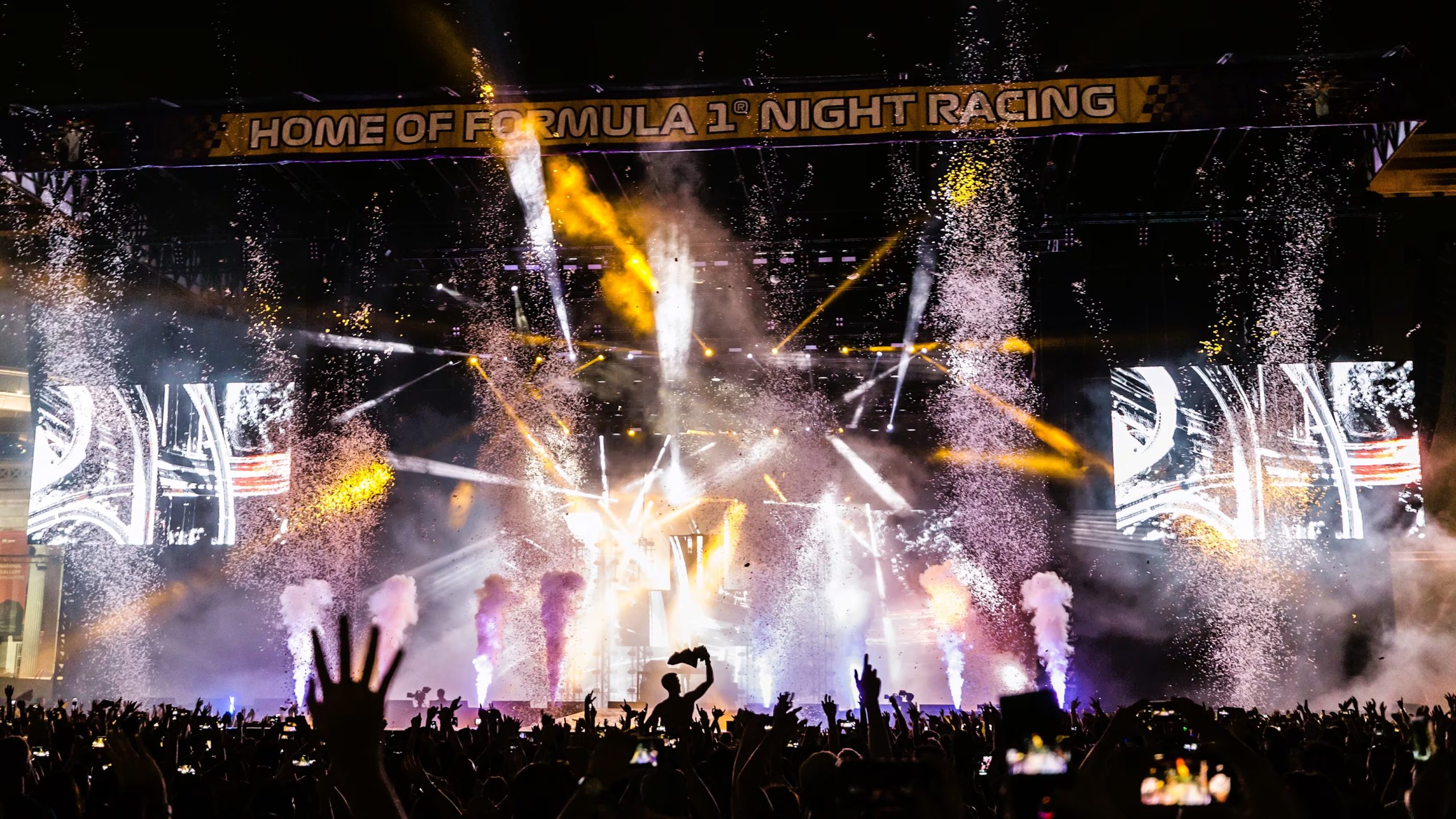
Read more: Singapore Grand Prix: The Lion City Never Sleeps for Three Days
This has changed who the Grand Prix can appeal to – from motorsport enthusiasts who come for the race to those who are there for the dining, entertainment, fashion and nightlife surrounding it.
The race attracts returning fans while the wider programme spread across the city gives everyone else a reason to partake. That breadth has helped the Grand Prix remain part of Singapore’s cultural calendar rather than solely existing in the world of motorsport.
Nearly 20 Years Later, There Is Still More to Discover
The Singapore Grand Prix has built a familiar rhythm over nearly two decades, from the transformation of Marina Bay to the floodlights coming on at night. Its enduring relevance lies in an ability to evolve without compromising the qualities that made it distinctive from the outset.
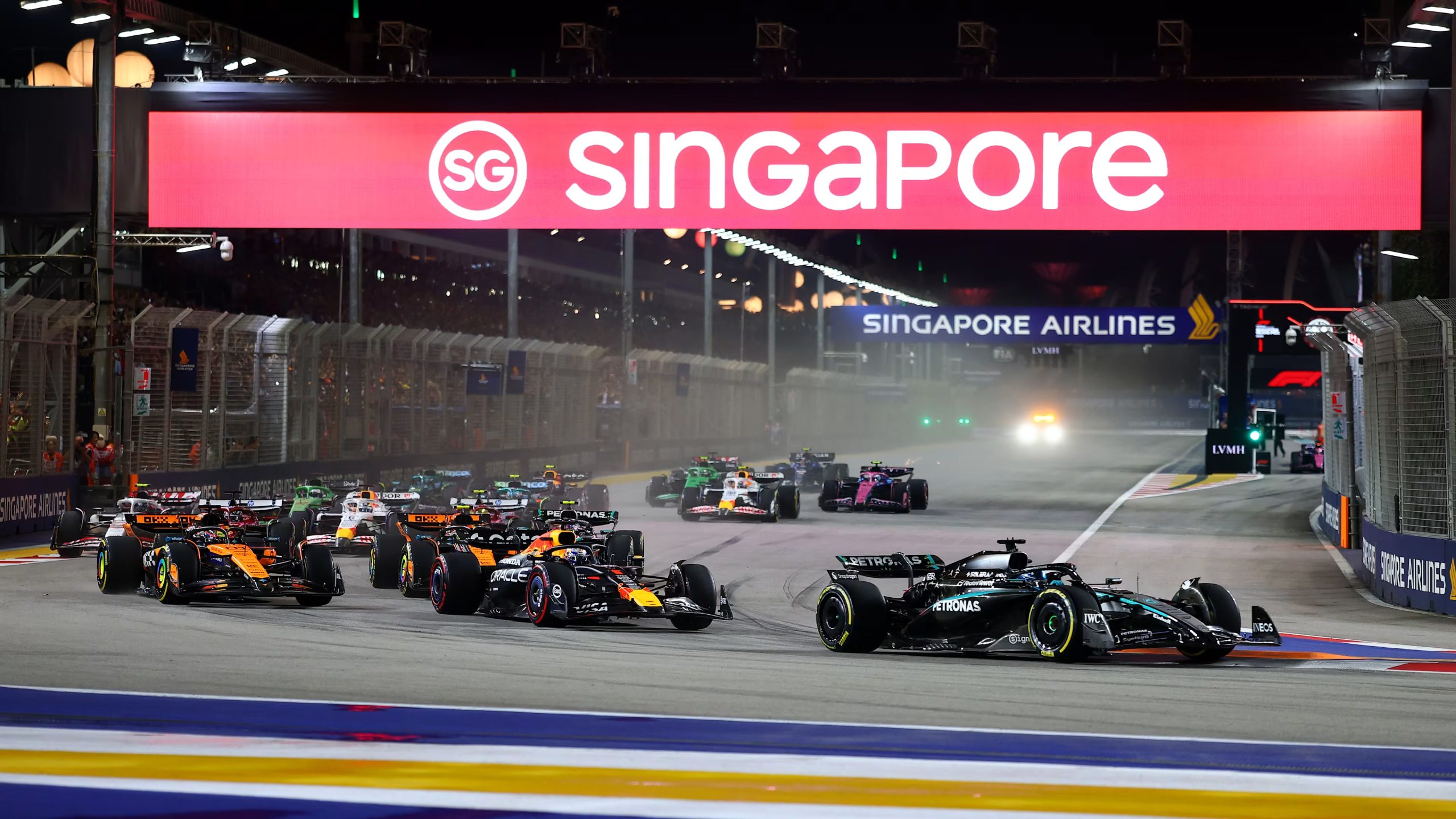
The circuit has been redesigned, the cars have entered a new technical era and the race weekend in Singapore now includes a Sprint for the first time. Beyond the track, F1 has become a major tourism and commercial platform, with businesses across the city building new experiences around the influx of visitors.
Nearly 20 years after the first night race, the Singapore Grand Prix is no longer simply an annual race through Marina Bay. It has become a recurring moment when sport, tourism, business and entertainment come to life across the city, with its ability to keep evolving giving the weekend lasting relevance.
For more on the latest in culture and events, click here.