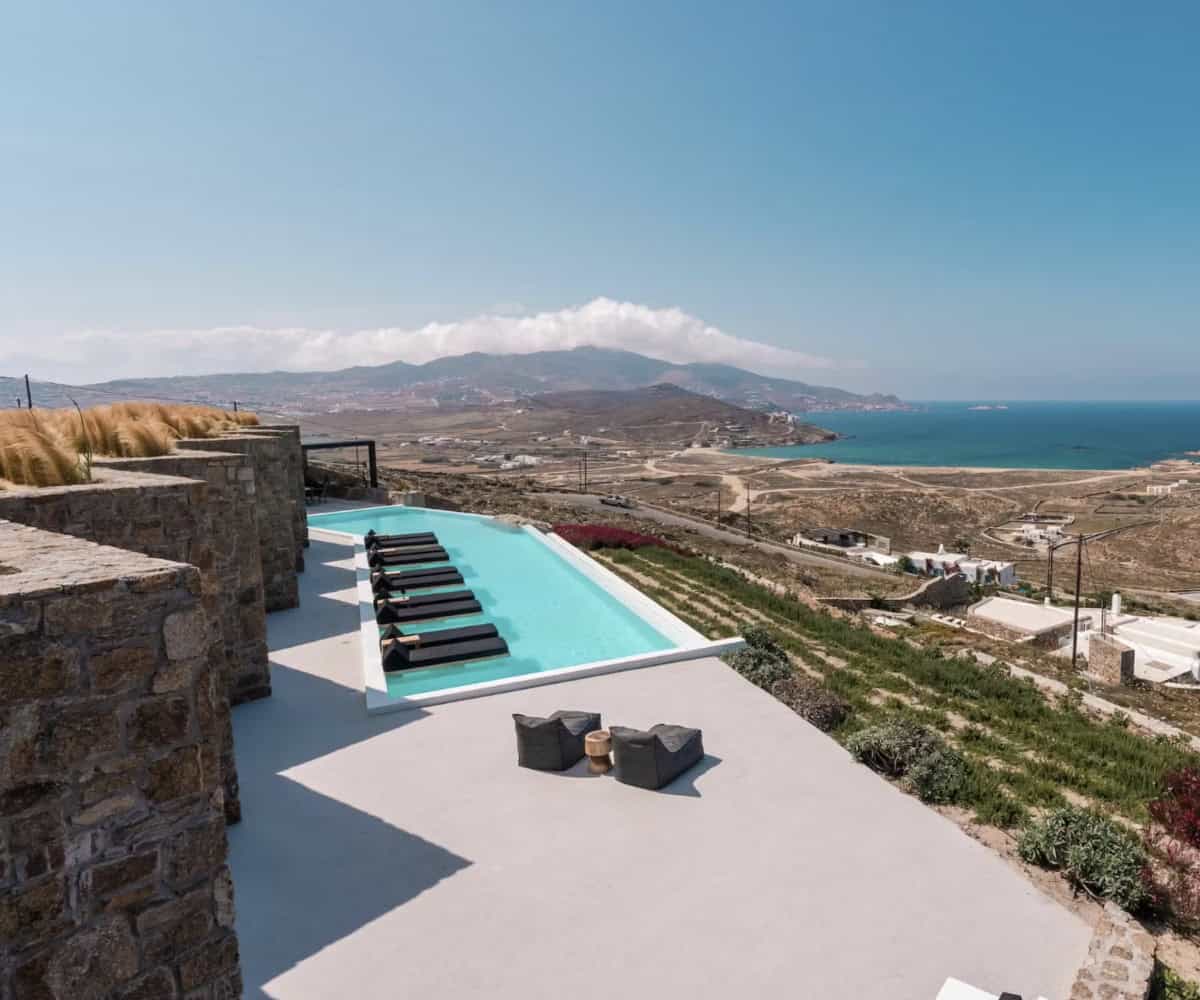
The luxury traveller has changed, and quietly. Not so long ago, sustainability was a word attached to budget travel and a certain amount of doing without. That association has fallen away. At the top of the market, guests now ask how a villa is powered and where its food is sourced, and plenty want to know what happens to the waste as well. The answers increasingly shape where they choose to stay. Privadia, which places high-end travellers across the Mediterranean, puts it plainly: demand for the genuinely sustainable stay has climbed year on year, and nothing about that looks like slowing.
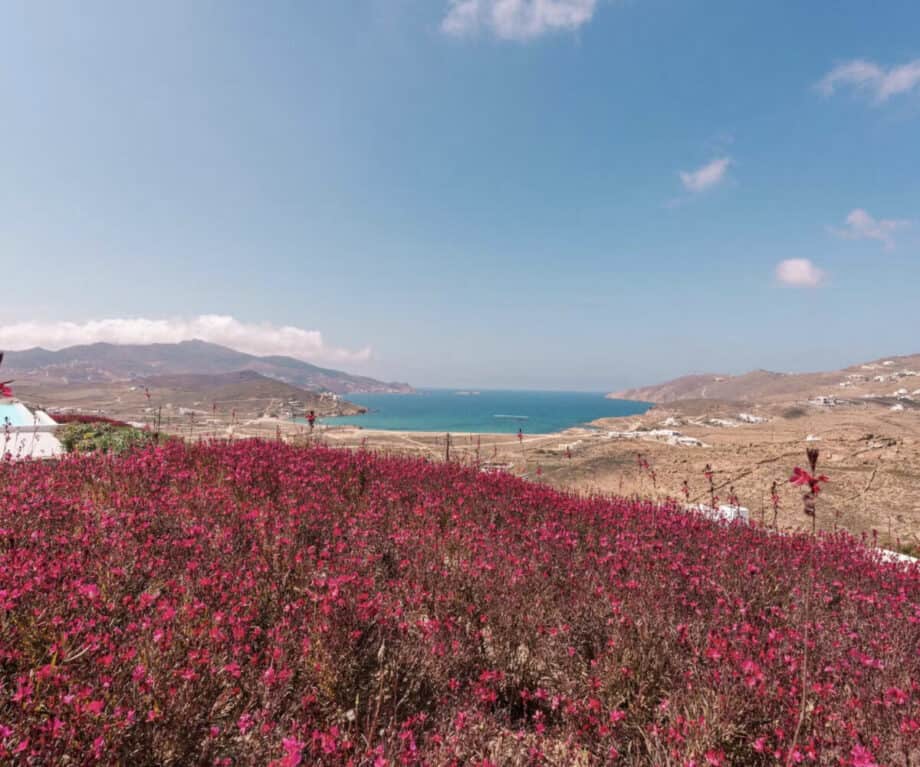
What makes it interesting is where this is happening. The same glamorous islands that built their names on parties and yachts, Ibiza and Mallorca among them, along with Mykonos and the Turkish resort town of Kalkan, all have a serious conservation story running beneath the surface. The conscious traveller has started to seek it out.
Four famous destinations with a quieter, greener side
Ibiza is the obvious example of a place misjudged. Away from the clubs, the sea around the island is protected by law. The reason is a plant. Vast meadows of Posidonia seagrass grow between Ibiza and Formentera, they hold UNESCO World Heritage status, and they earn it. That seagrass is what keeps Ibiza’s water so absurdly clear, and it gives shelter to a huge amount of marine life besides. Boats are asked not to anchor on the meadows at all. Meanwhile the north around San Juan is farmland and organic smallholdings, and a good number of the island’s best kitchens now cook straight from what those farms grow. You would never guess any of it from a night in Playa d’en Bossa.
Mallorca has arguably led the way. Agroturismo more or less started here, the idea that an old finca could earn its keep as a place to stay rather than fall down. Head up into the Serra de Tramuntana and you are inside a UNESCO World Heritage landscape, terraced by hand and walled with dry stone over the course of centuries, the olive groves still working. Local food and wine are not a marketing angle on Mallorca. They are just lunch, and the oil and the wine have usually come a couple of miles at most.
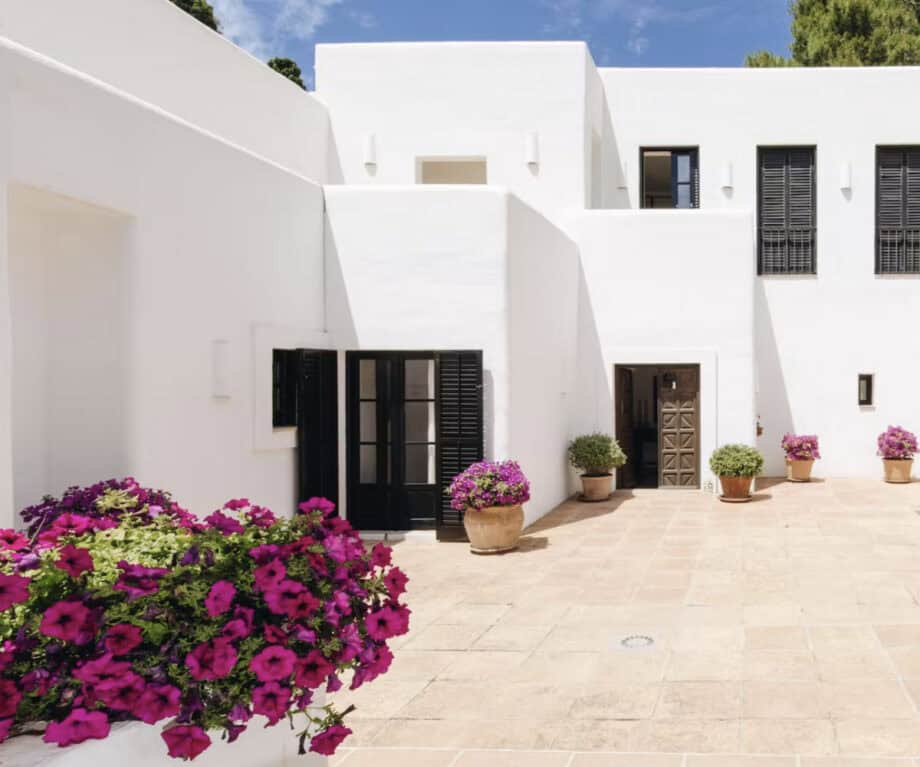
Mykonos wears its glamour more openly. Underneath it, though, the Cyclades live with a hard fact of geography. Fresh water is scarce, and a lot of what the island uses has to be desalinated. That single reality is why careful water use is built into how any good villa runs here. The classic Cycladic architecture helps too, since those thick whitewashed walls were keeping houses cool long before anyone fitted air conditioning. Local Cycladic produce, the island cheeses and sun-grown tomatoes, does the same job on the plate that the architecture does for the house.
Kalkan, on Turkey’s Turquoise Coast, is the quiet one of the four. Its conservation story is hard to miss. A short drive away is Patara, eighteen kilometres of sand that loggerhead turtles have been nesting on since long before there were people around to watch them. The whole beach is a protected zone. Nobody builds on it, and through nesting season it shuts at night so the turtles are left in peace, which is why it has never lost its wildness. Even the town has stayed in proportion, its white and stone houses stacked up the hillside above the harbour rather than strung out along the coast.
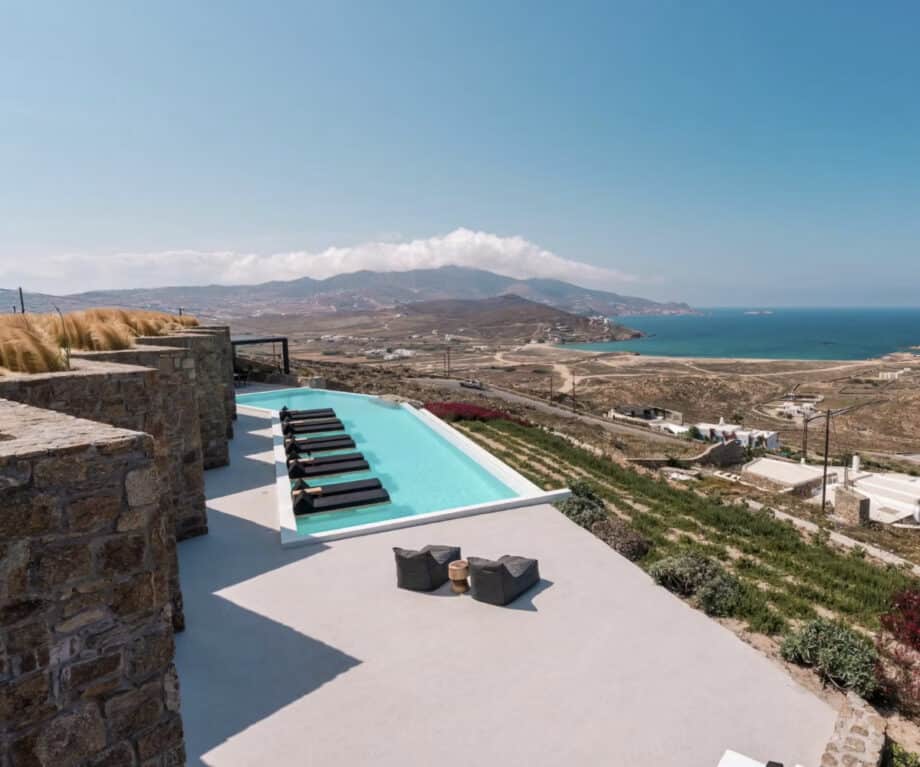
The owner’s side of it
For the people who own these villas, the message is a hopeful one. Making a property greener is no longer a cost with nothing to show for it. It lowers the running bills, and more and more it widens the market.
The biggest gains are where the sun and the water are. In this part of the world a solar array does much of the heavy lifting for free, and a pool run off a heat pump stretches the swimming season at both ends. Water is the other great lever, and it matters more in Mykonos or Ibiza than almost anywhere. Low-flow fittings and a pool cover make a genuine difference, and so does a garden of native, drought-tolerant planting in place of a thirsty imported lawn. Then there are the small habits a guest actually clocks. In the bathroom, refillable bottles take the place of a row of tiny plastic ones. A chef who shops the local market rather than importing the week’s food. A charging point for an electric car, which was a novelty not long ago and is now close to expected. And a recognised eco-certification, which is what turns the whole effort into something a traveller can trust instead of taking on faith.
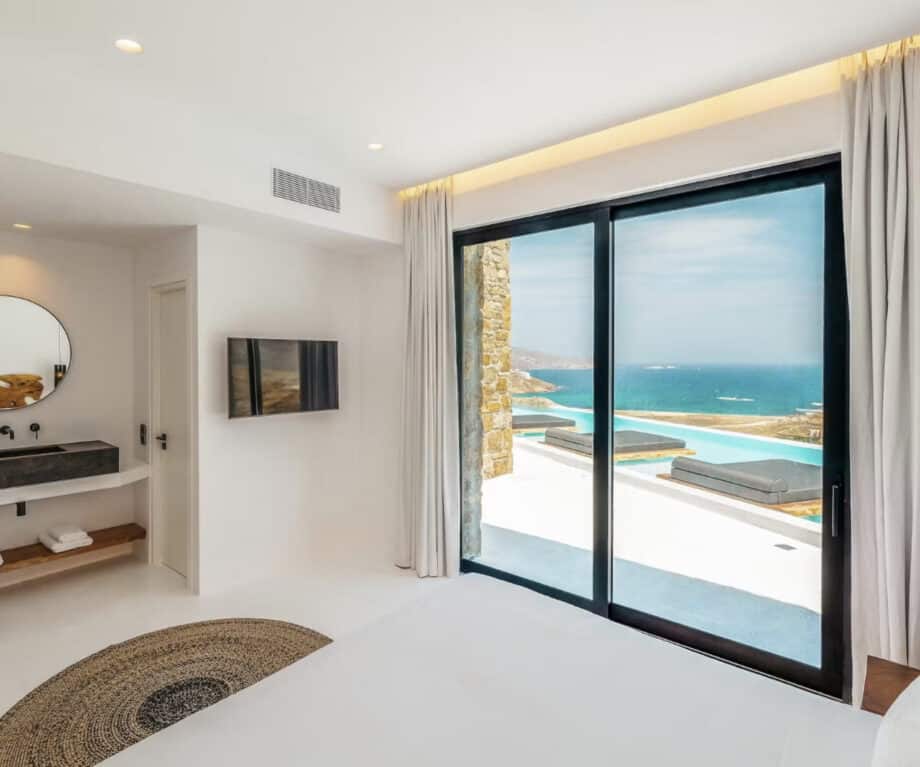
None of this is charity. Conscious travellers, and the well-off ones especially, increasingly rule out a villa that has nothing to show, and they will pay a premium and return for one that does. Privadia sees this in the questions that now arrive at the booking stage, where a guest is as likely to ask about solar panels and where the food comes from as about the size of the pool.
How the right partner makes it easy
Booking a sustainable stay well is where a specialist earns its place, because a conscious traveller has no wish to spend a holiday auditing a villa. This is the part Privadia builds its service around. Alongside pointing guests to the properties that genuinely walk the walk, its guest experience team can shape a whole stay so that a lighter footprint never costs anyone their comfort. Take the food. A private chef builds the menus around what is in season and grown or caught close by, and it tends to taste far better than anything flown in. The days out follow the same logic. It might be an electric boat that keeps well clear of the Posidonia beds, or a guided walk up in the Tramuntana, or a quiet early visit to one of Kalkan’s turtle beaches. The holiday itself does not shrink. It just leaves less behind, and that is more and more what people are asking for.
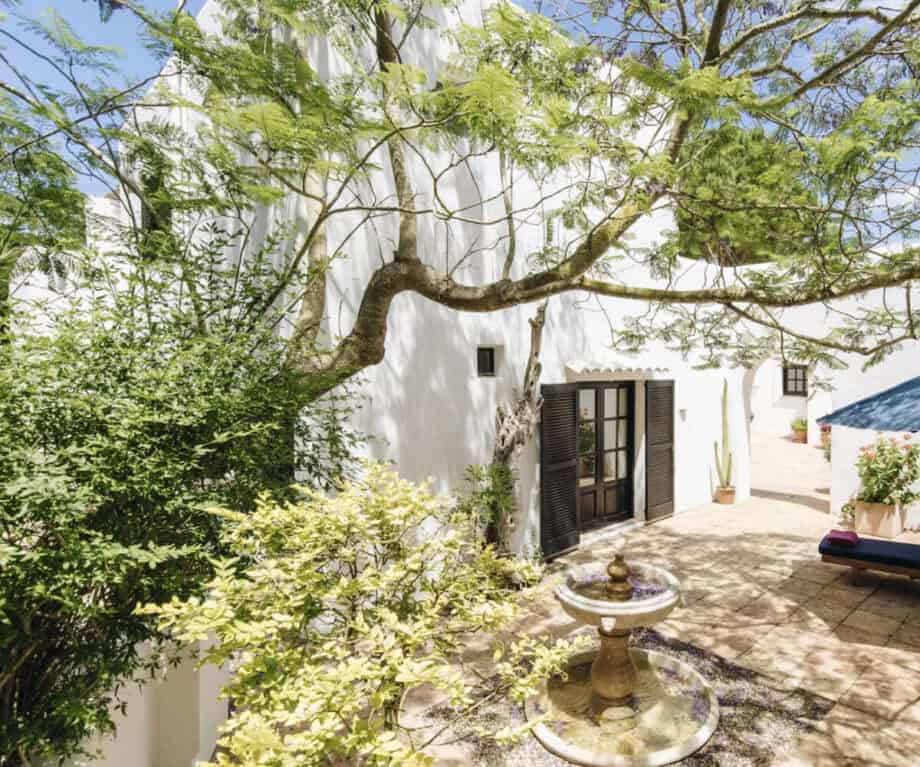
The direction of travel is clear enough. The islands that guard what makes them special will keep pulling the most discerning travellers, and so will the villas that run in step with them. For years, luxury and conscience were treated as opposites. They are finally being asked to share the same terrace.

Stuart Glen
Stuart Glen is Founder at Privadia. Privadia is a leading luxury villa supplier operating for over a decade with direct-to-owner relationships and innovating vacation rentals in Ibiza, Mallorca, Mykonos, and Kalkan. If you would like to be a guest blogger on A Luxury Travel Blog in order to raise your profile, please contact us.
Did you enjoy this article?
Receive similar content direct to your inbox.
Please enable JavaScript in your browser to submit the form