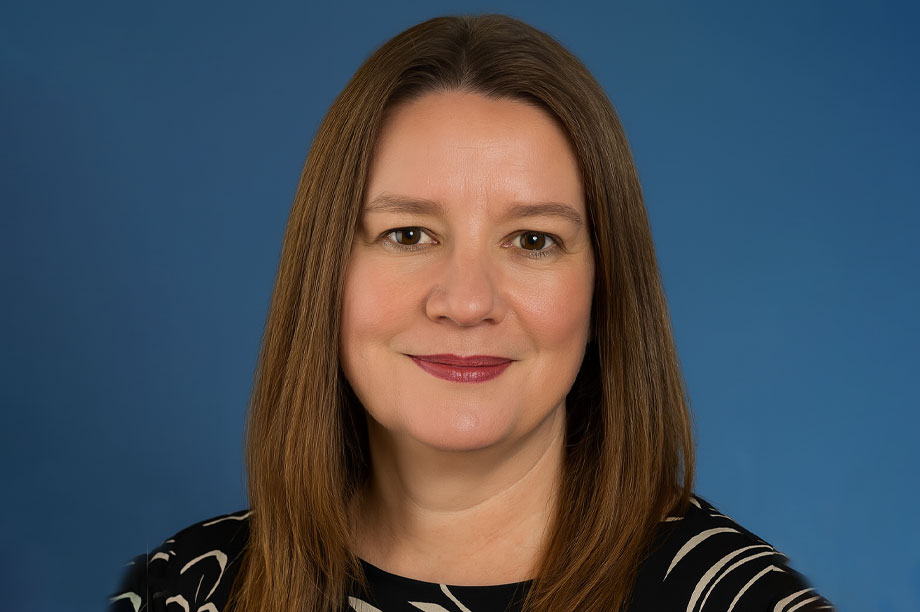
Negative perceptions of the fundraising profession is “affecting charities’ bottom lines”, the chief executive of the Chartered Institute of Fundraising has said.
Speaking on the Third Sector Podcast, Katie Docherty said charities, their chief executives and boards need to learn that fundraising must be invested in, rather than seeing it simply as a cost.
She said fundraisers need to achieve “professional parity with their colleagues”, adding: “Any fundraiser will tell you stories about how in their workplace they are referred to as ‘the dark side’.”
Docherty said that negative perceptions of the fundraising profession within charities had not improved “at all” over the years, adding that it affected every fundraiser in the sector.
“And more fundamentally, it’s actually affecting charities’ bottom lines,” she said, adding that over the past six years, charities decreased their spend on fundraising by £2bn.
“During that time, income has continued to grow, but not as much as it could have.
“And so, charities and chief executives and boards and chairs, we need to change their perception and understanding of fundraising [because it] is something that they need to invest in – it’s not a cost.
“If they want to see their income as a charity grow, they need to invest in it to make it happen.”
Docherty also spoke about the need to train fundraising staff in using AI tools, saying: “One of the interesting things I’m starting to pick up around recruitment is that charities are now starting to recruit people that they want to bring in AI skills to their organisation.”
She said this meant charities were being forced to compete against the private sector, meaning they were attempting to enter a “really competitive” and “daunting” landscape.
“What we need to do is… to make sure that we’re training fundraisers, because it is something that is accessible,” said Docherty. “It’s something that everybody can acquire and everybody probably needs to acquire.”
Docherty also spoke about the need to make the profession safer for fundraisers and protect staff from harassment and abuse, after research carried out by the CIoF and the Rogare last year found widespread experiences of inappropriate behaviour by donors.
The CIoF worked with the fundraising think tank to publicise the need for charities to adopt a donor code of conduct, which Docherty says will enable “cultural change” to happen within the organisation.
She said this “enables the charity to have a conversation with donors upfront about what is acceptable and not acceptable”, as well as reassuring fundraisers that action would be taken if inappropriate behaviour occurs.
Listen to full interview with Katie Docherty on the Third Sector Podcast.