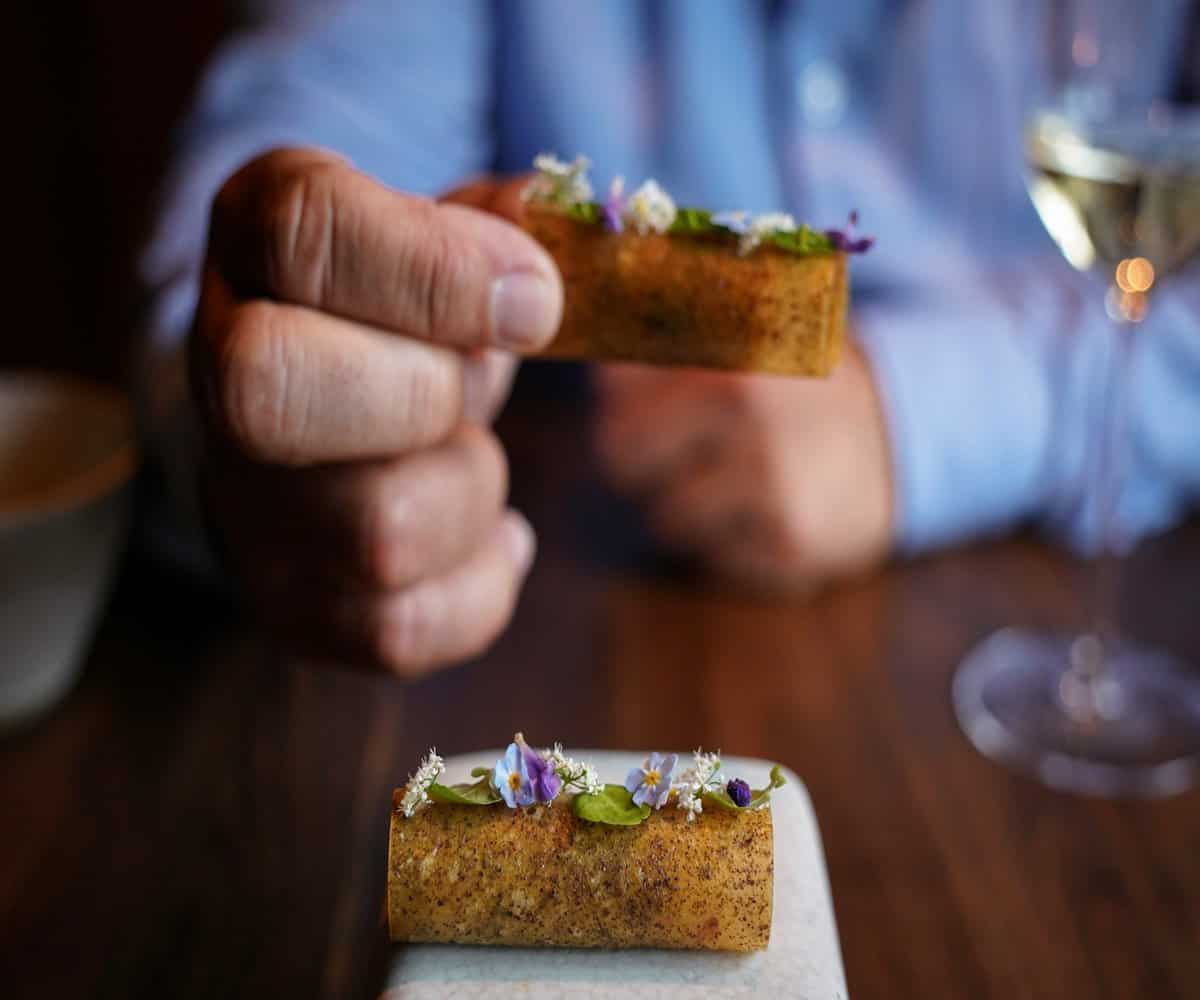
The world’s most rarefied tables are rarely found on the most obvious streets. They are tucked into medieval alleyways, nestled beneath alpine peaks, hidden behind dry-stone walls in lavender-scented valleys. For those who know where to look, a single reservation can become the most compelling reason to explore a corner of Europe you might never otherwise have discovered.
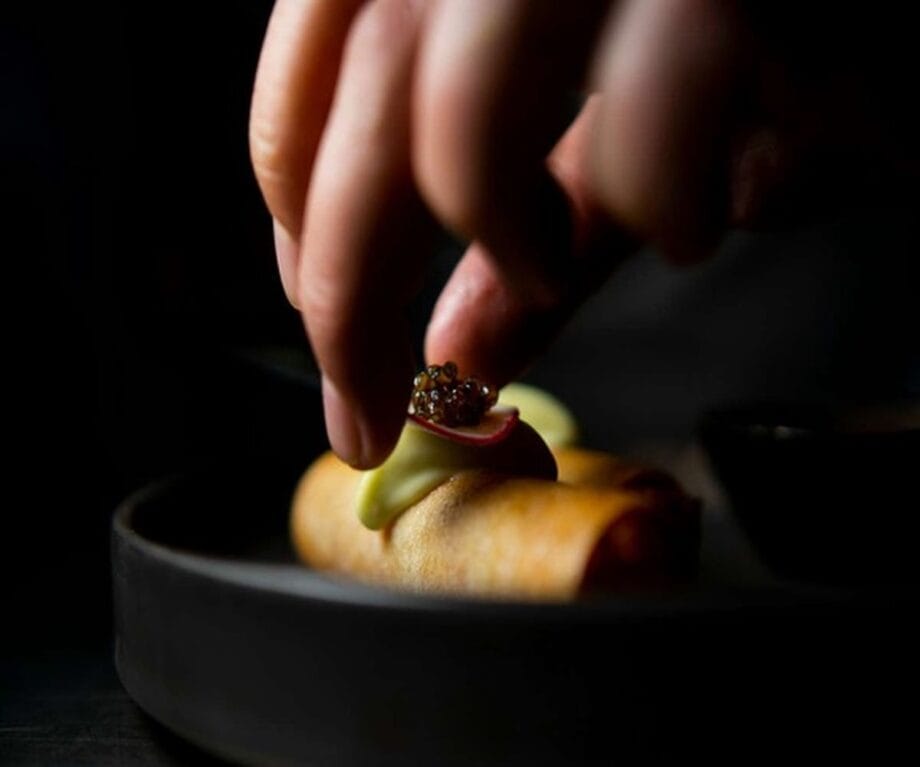
Have you ever booked a restaurant first, then looked at the destination afterwards? I booked several tables in the past, like Noma in Copenhagen or The Fat Duck in Bray before even looking where they were located or securing accommodation. I hadn’t booked a destination. I’d booked a table.
A starred restaurant opens its reservation calendars six, sometimes eight months in advance. Your priority is to secure a table first and accommodation later. So many of Europe’s Michelin-starred kitchens aren’t sitting in Paris or Rome — they’re in some small towns where the baker deliver fresh bread personally to the chef and the menu changes because the market changed, not because a consultant said it should. Many do not realise is that the Guide’s most celebrated addresses are seldom found in capital cities. The truly transformative experiences are frequently located far from the urban hum, in places where a chef’s connection to landscape and local tradition runs deep.
Which is more or less the whole premise behind Passepartout Homes. We’ll point you toward the main cathedral, sure; the museum too. But what actually gets me excited is a private villa ten minutes from a Tuesday market nobody warned you about.
So, if you’re the type who plans flights around a dinner reservation — here are four that earned it.
Osteria Francescana, Modena, Italy – 3 Michelin Stars
Modena doesn’t mess around with food. Balsamic vinegar ages in attics for decades. Wheels of Parmigiano Reggiano get stacked like they’re currency, and honestly, in that city, they kind of are. Somewhere in the middle of all that sits one of the most written-about restaurants on the planet.
Massimo Bottura opened Osteria Francescana in 1995. The idea was never to abandon Italian cooking, just push it somewhere it hadn’t gone yet. There’s a dish called “Five Ages of Parmigiano Reggiano” — the cheese served across different stages of maturity, in textures that shouldn’t sit together on one plate and somehow do. And then “Oops! I Dropped the Lemon Tart,” which apparently started life as an actual kitchen accident. Sounds like a gimmick. It isn’t, not once you’ve had it.
The room is small. Almost quiet, really, which puts everything back on the plate where it belongs. Getting a reservation takes real planning — months, not weeks — but Modena gives you plenty to do while you wait. Mostly that means getting a little lost in its piazzas, which isn’t the worst way to spend an afternoon.
Boury, Roeselare, Belgium – 3 Michelin Stars
Ask someone to name a great Belgian restaurant and you’ll get Brussels. Maybe Antwerp. Occasionally Bruges. Almost nobody says Roeselare — but having lived in Flanders for fours years, I know my way around a Flemish village or two.
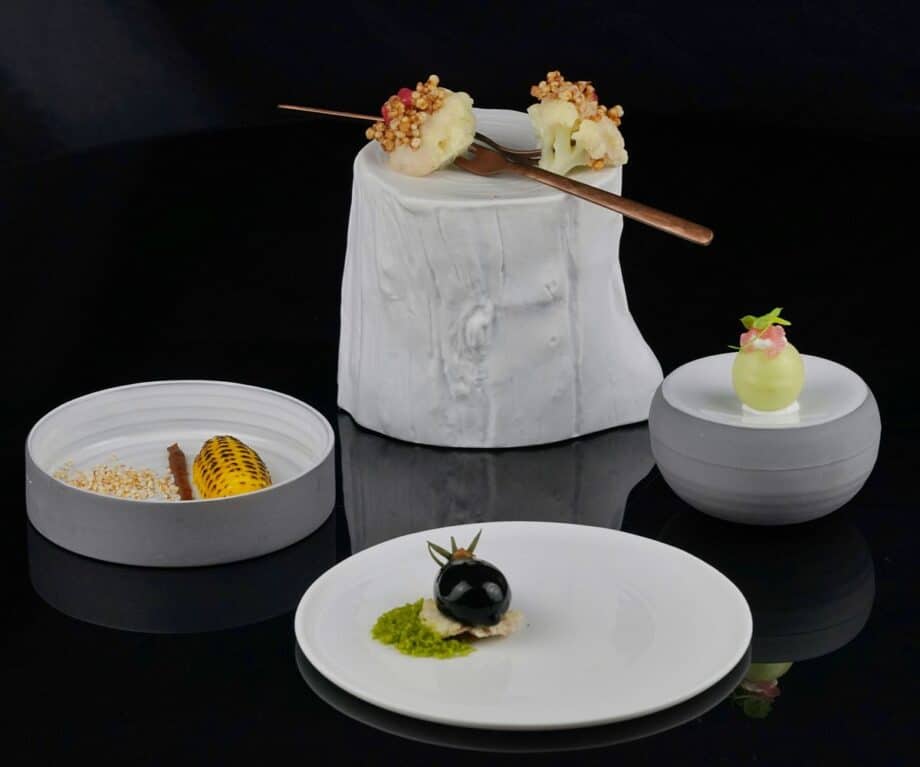
Tim Boury runs the place with his wife, Inge Waeles, out of a villa that feels genuinely luxurious without any of the usual noise around it. Nothing here is trying to impress you. It just does.
Menu moves with the seasons: langoustines, whatever vegetables are at their peak that particular week, seafood that tastes like it left the water that same morning. There’s a wine and cheese list too — you can tell it comes from actual obsession, not some box someone had to tick.
Roeselare will never crack anyone’s top ten list of Belgian towns. I think that’s more or less the point of it. Eat here, then spend the afternoon wandering Bruges, or just drive the back roads through the countryside that grew everything on your plate.
St. Hubertus, San Cassiano, Italy – 2 Michelin Stars
South Tyrol throws first-timers off. The language sounds more German than Italian. So does the architecture, if I’m honest. And the mountains — well, they hold their own against anything the Alps has to offer, no contest.
St. Hubertus sits inside the Rosa Alpina hotel, in the small village of San Cassiano, built entirely around chef Norbert Niederkofler’s “Cook the Mountain” philosophy. Not a marketing line, either — he genuinely limits himself to whatever the altitude, the climate, and the valley’s own traditions can give him.
Game. Alpine herbs. Mountain dairy. Grains that have probably grown in that same soil for generations. Everything handled with real precision, though the technique never gets in the way of where the food actually came from. Might be one of three meals in my life that made a landscape taste like itself.
Everything you need to plan your trip in 2026
La Bastide at Capelongue, Bonnieux, France – 1 Michelin Star
Bonnieux is arguably the prettiest village in the Luberon — a genuinely crowded category, for what it’s worth. Stone houses, narrow lanes, views over vineyards and lavender fields that go purple sometime around July.
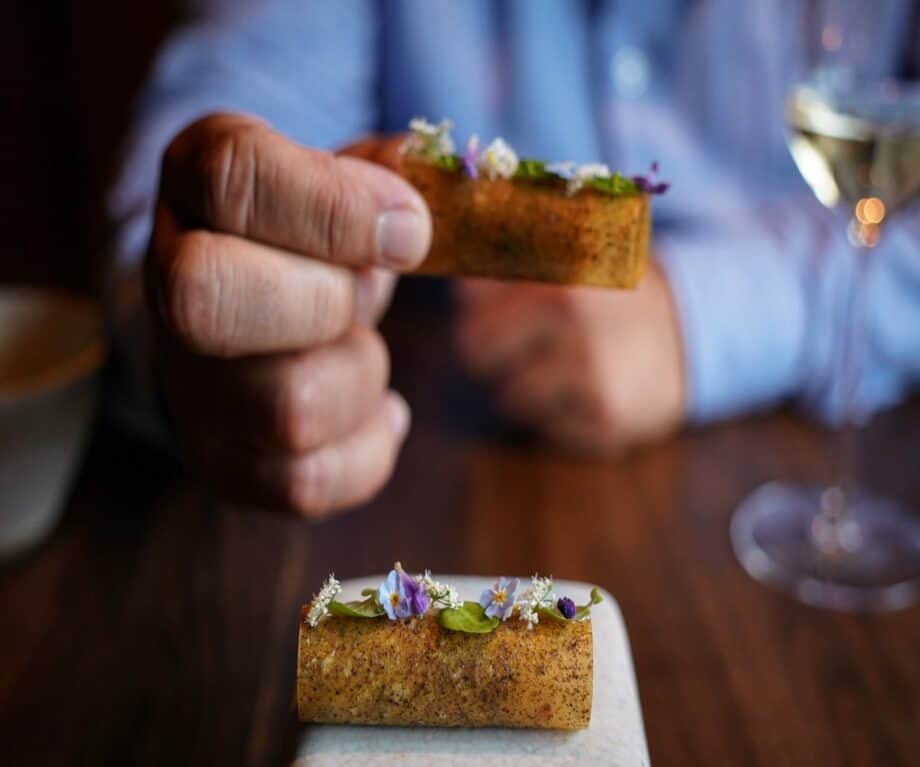
Domaine de Capelongue has quietly become one of the region’s better luxury retreats, and its restaurant, La Bastide, is run by chef Noël Bérard, whose menus follow whatever the produce happens to be doing that week rather than the other way around.
Sun-warmed vegetables. Herbs pulled straight from the surrounding hills. Local olive oil, truffles in season. The cooking stays deliberately simple, and if you ask me, that’s its own kind of confidence — it doesn’t need to do more than let the ingredients say what they came to say.
Planning around the table
One piece of advice, if you want it: book the restaurant first, build everything else around that. The good tables in these smaller towns disappear early, so treat the reservation as your anchor point, not something to sort out later.
When choosing an accommodation, search villas and properties with real character — places that let you live somewhere for a week instead of just passing through it. Wander into a market you never planned on visiting. Stop at a vineyard on a whim. Let the hours between meals move slower than they usually do back home.

Paola Fiocchi Van den Brande
Paola Fiocchi Van den Brande is the Founder and Director of Passepartout Homes. Passepartout Homes is a carefully curated collection of spacious luxury villas designed to accommodate extended families, large groups, destination weddings, corporate retreats, and private celebrations. If you would like to be a guest blogger on A Luxury Travel Blog in order to raise your profile, please contact us.
Did you enjoy this article?
Receive similar content direct to your inbox.
Please enable JavaScript in your browser to submit the form