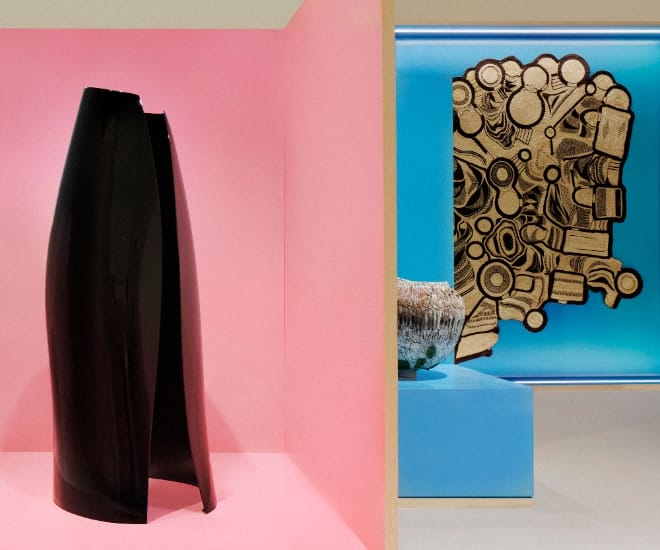
Today’s museum experiences are undergoing something of a cultural shift where digital technologies have become central to cultural production. From AI-generated ecosystems and data-driven installations to projection-mapped Renaissance reinterpretations and folklore reimagined through 3D environments, contemporary exhibitions are evolving into immersive environments that showcase sensory engagement. LUXUO explores eight immersive exhibitions that illustrate how technology, perception and digital culture are reshaping the future of art.
Dataland — Los Angeles, USA
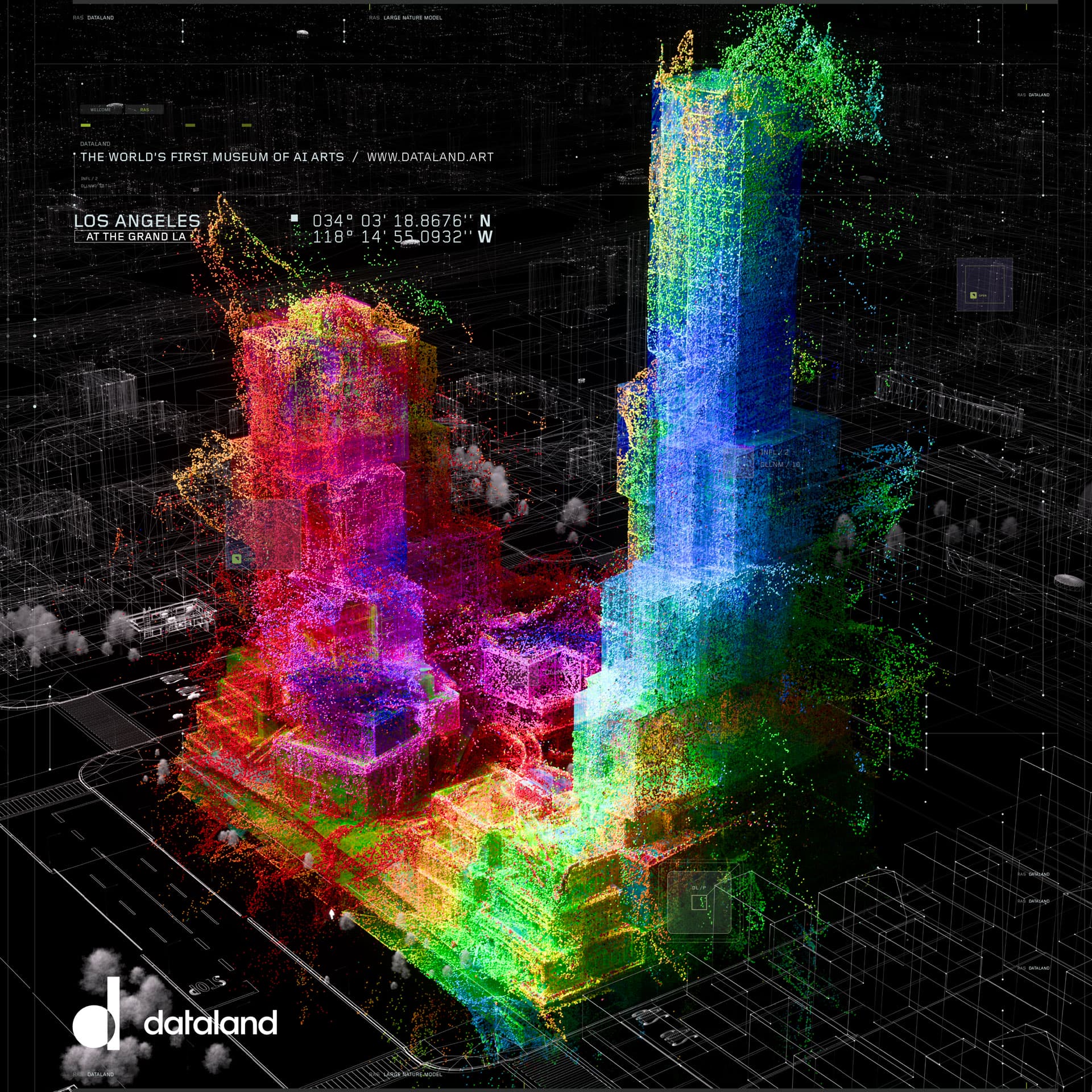
Opening in Los Angeles in June 2026, DATALAND describes itself as the world’s first museum dedicated entirely to AI-generated art and data-driven creativity. Located at The Grand LA development designed by Frank Gehry, the institution uses machine learning, large-scale projection systems and responsive sensory environments to examine how artificial intelligence interprets the natural world. Its inaugural exhibition — dubbed Machine Dreams: Rainforest — is powered by the “Large Nature Model”, an AI system trained on extensive permission-based environmental datasets. The exhibition translates natural data into evolving visual environments that shift in response to visitor interaction, creating a continuous feedback loop between human movement and machine interpretation.
Spread across five multi-sensory galleries, DATALAND explores larger questions surrounding AI authorship, data ethics and synthetic imagination while positioning itself as both a cultural institution and public platform for AI experimentation. The exhibition also reflects how museums are increasingly adopting immersive technologies to showcase how audiences engage with perception and digital systems.
Location: 100 S Grand Ave, Los Angeles, CA 90012
Click here for more information.
Museum of the Future — Dubai, UAE
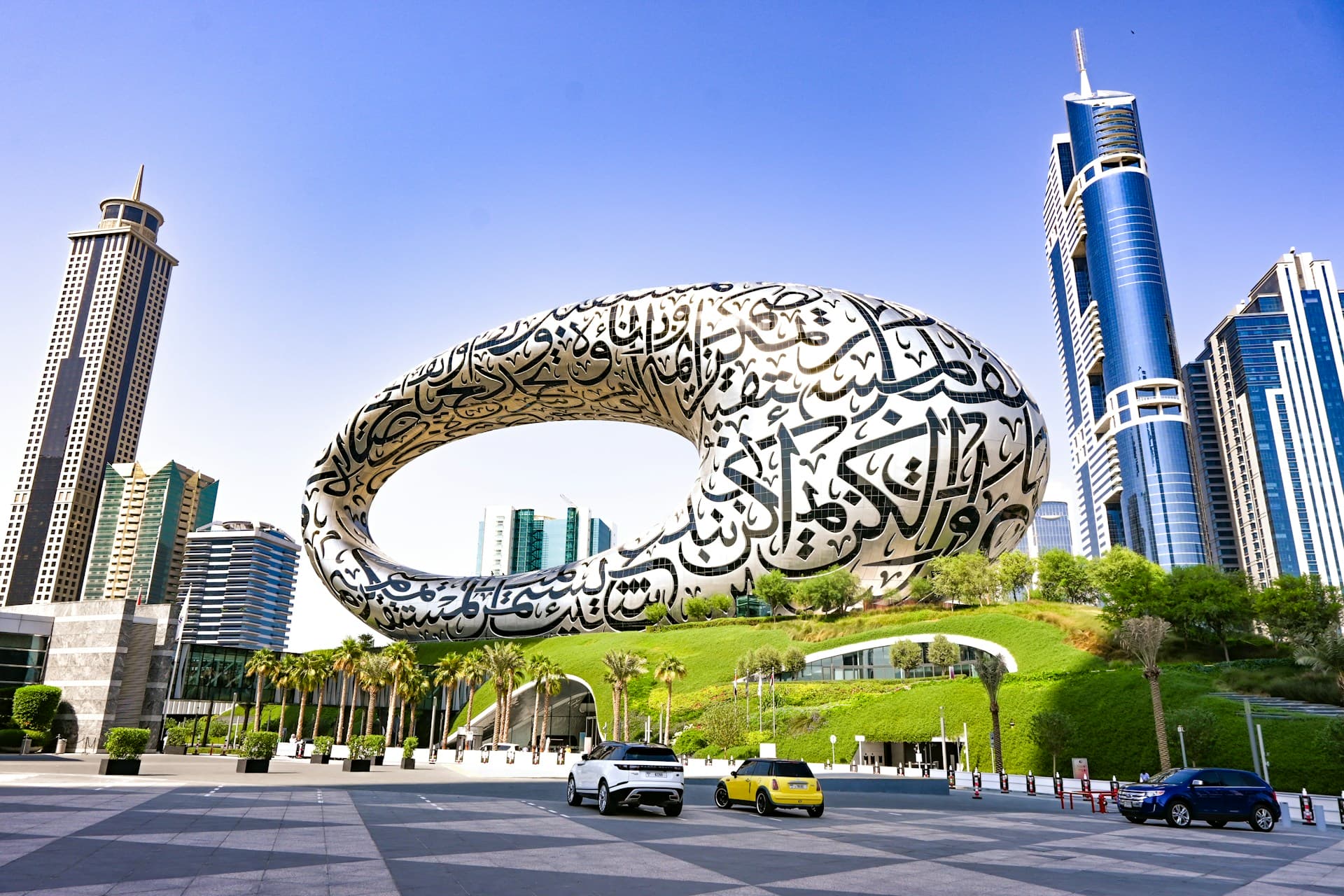
Located in Dubai, the Museum of the Future is designed as an experiential institution focused on exploring possible futures and the role of human agency in shaping them. It positions itself as a space for “optimistic imagination,” where visitors are encouraged to engage with speculative futures and bring those insights back into the present. The museum’s architecture is a core part of its narrative. The circular structure represents humanity, the green mound it sits on symbolises the Earth and the central void is intended to represent the unknown future. The building’s façade is inscribed with Arabic calligraphy by Mattar bin Lahej, featuring quotations from His Highness Sheikh Mohammed Bin Rashid Al Maktoum.
Instead of a traditional exhibition space, the museum is structured as a sequence of immersive environments with each floor functioning like a designed scenario that simulates possible futures such as health, space travel, climate, bioengineering, sustainability and human progress. These environments are experienced as narrative simulations rather than static displays, often combining spatial design, interactive systems and sensory elements to place visitors inside constructed future scenarios rather than presenting them as ideas to observe. The exhibition reflects Dubai’s broader positioning as a city driven by technological ambition and long-term future-building. It also operates as a curated form of futurism, presenting optimistic and solution-oriented trajectories of technological and social development.
Location: Sheikh Zayed Rd – Trade Center Second – Dubai – United Arab Emirates
Click here for more information.
Moco Museum, Digital & Immersive Art (Studio Irma) — Amsterdam, Netherlands
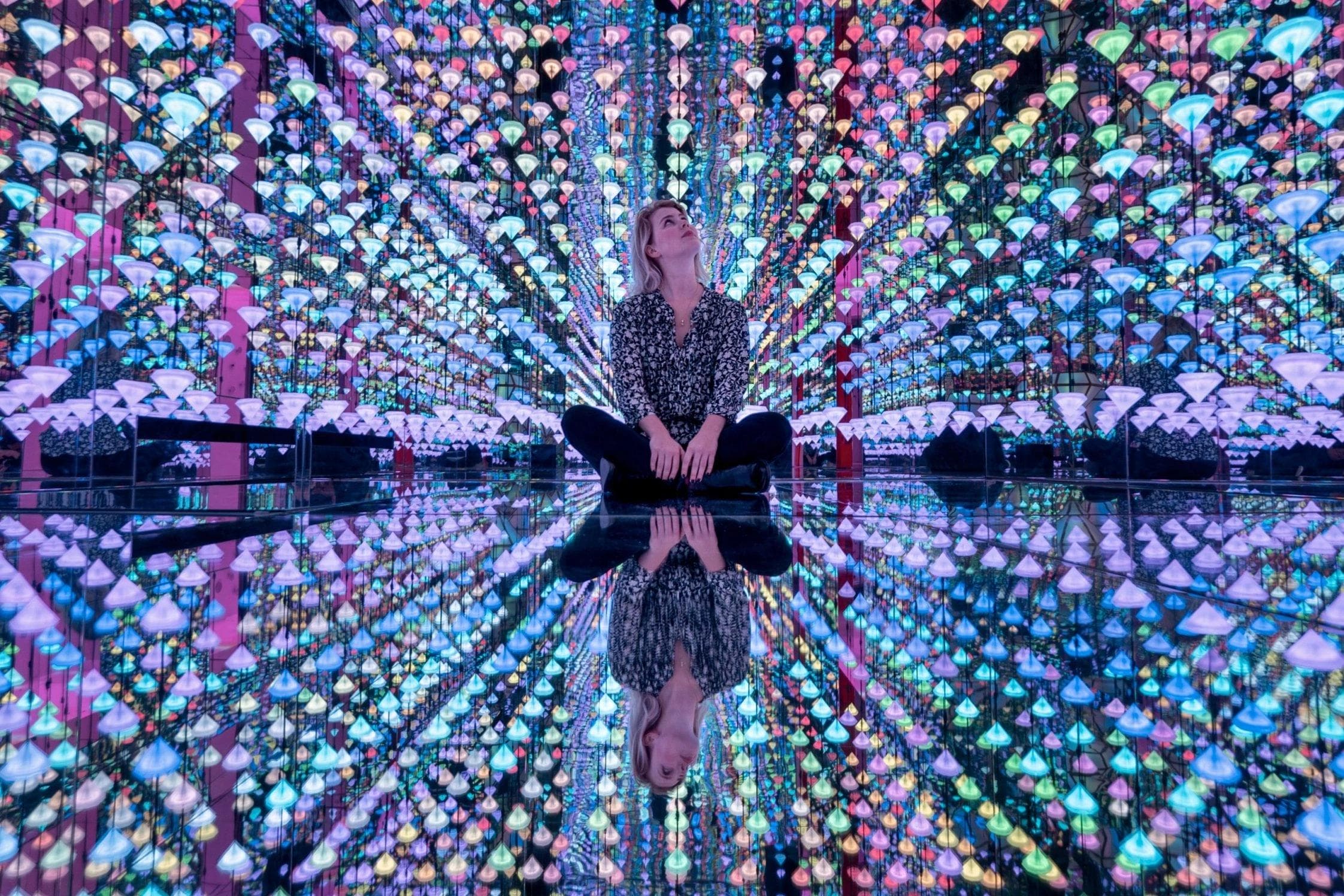
Presented at Moco Museum Amsterdam, Digital & Immersive Art by Studio Irma is an interactive exhibition centred on connection through digital environments, light-based installations and sensory-driven spatial design. The exhibition is built around Studio Irma’s concept of “Reflecting Forward”, which reframes reflection as imagining shared futures through empathy, awareness and collective experience. Installations such as Diamond Matrix, Connect The Dots and Universe use mirrored surfaces, projection systems and interactive lighting to create environments that respond to movement and presence, positioning the viewer as part of the artwork itself.
Studio Irma moves away from a fixed curatorial storyline in favour of open-ended, interactive environments. Technology, light and spatial design are used to create immersive rooms that respond to movement and presence. Moco stands for MOdern and COntemporary Museum, reflecting the museum’s focus on modern, contemporary, digital and immersive art in Amsterdam. Since opening its doors in 2016, this art museum in Amsterdam has become a cultural hotspot, showcasing iconic masterpieces from renowned modern and contemporary artists alongside cutting-edge works by emerging talents.
Location: Museum Square, Honthorststraat 20, 1071 DE Amsterdam, Netherlands
Click here for more information.
Anish Kapoor, Hayward Gallery — London, United Kingdom
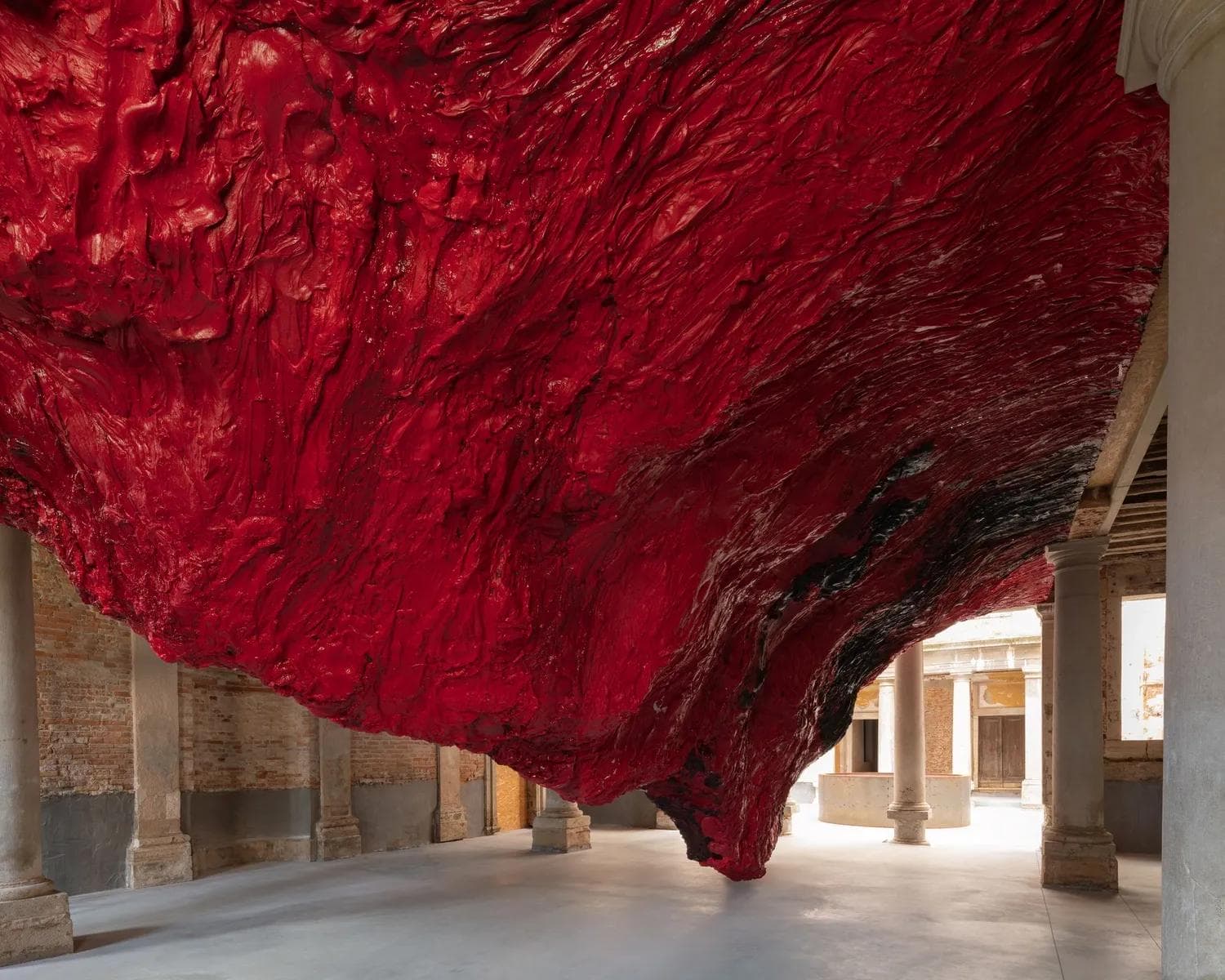
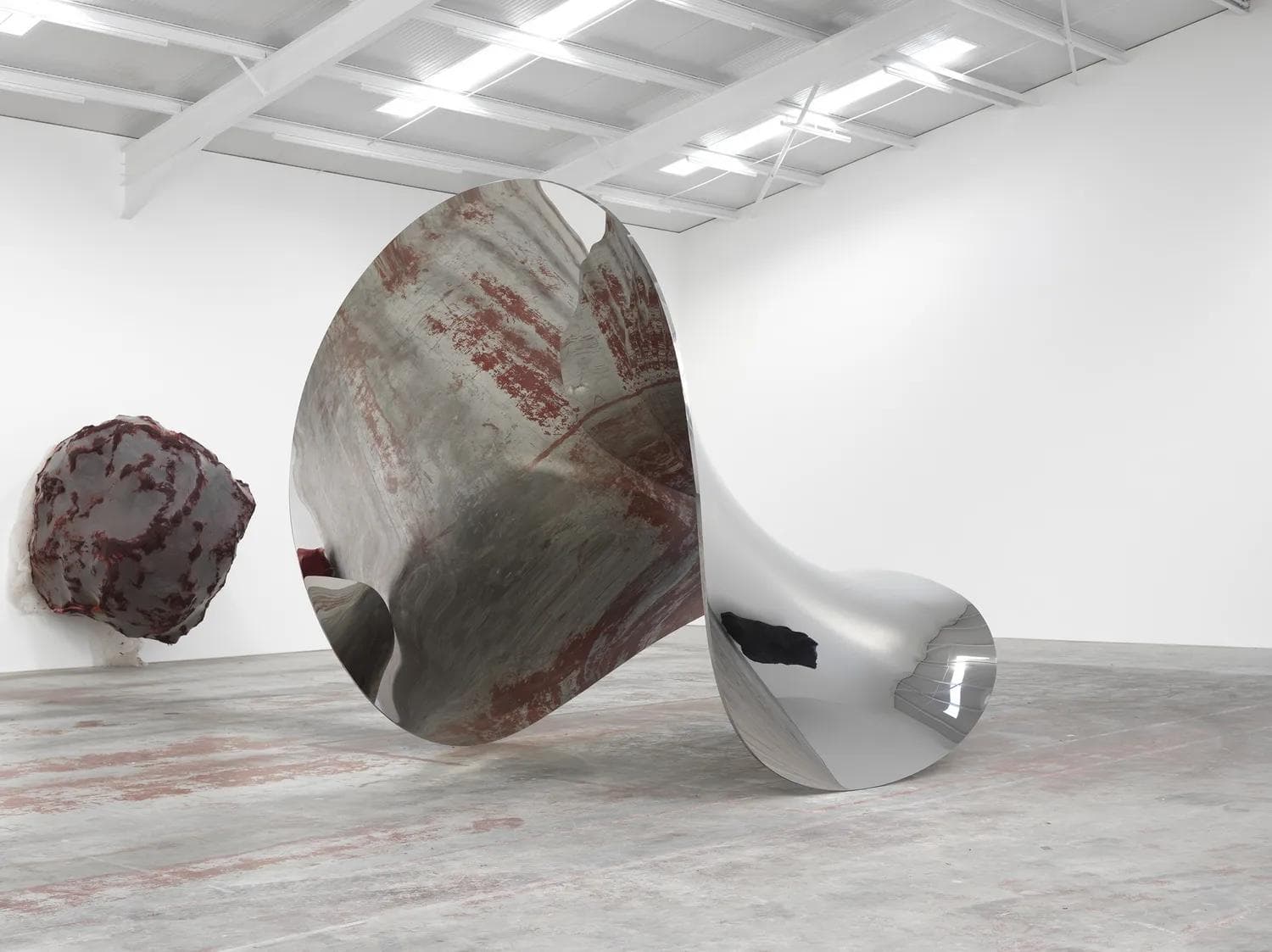
The Hayward Gallery presents a major exhibition of Anish Kapoor (16 June to 18 October 2026), bringing together large-scale sculptures and paintings that explore perception, materiality and spatial disorientation. The show spans the entire gallery building, with works installed across floors, walls and ceilings, creating environments that actively alter how visitors experience space. The exhibition features key bodies of work from Kapoor’s career, including highly polished steel mirror sculptures that distort and fragment reflections, and works coated in Vantablack — a material known for its extreme light-absorbing properties — which create the effect of near-total visual voids. Alongside these are Kapoor’s signature “void” forms, engineered sculptural cavities that appear to open infinite depth within the gallery space, producing a strong sense of vertigo and spatial instability.
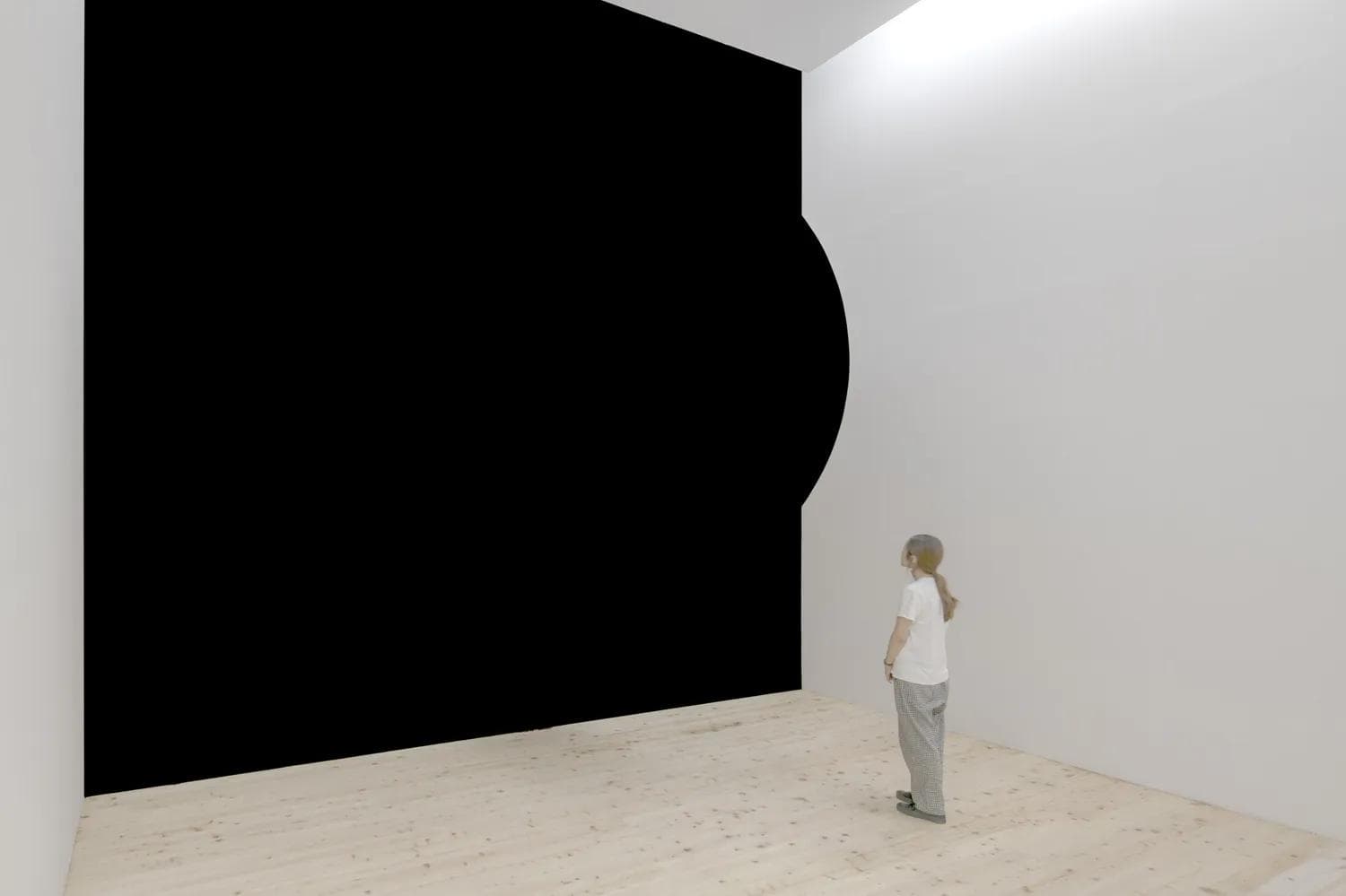
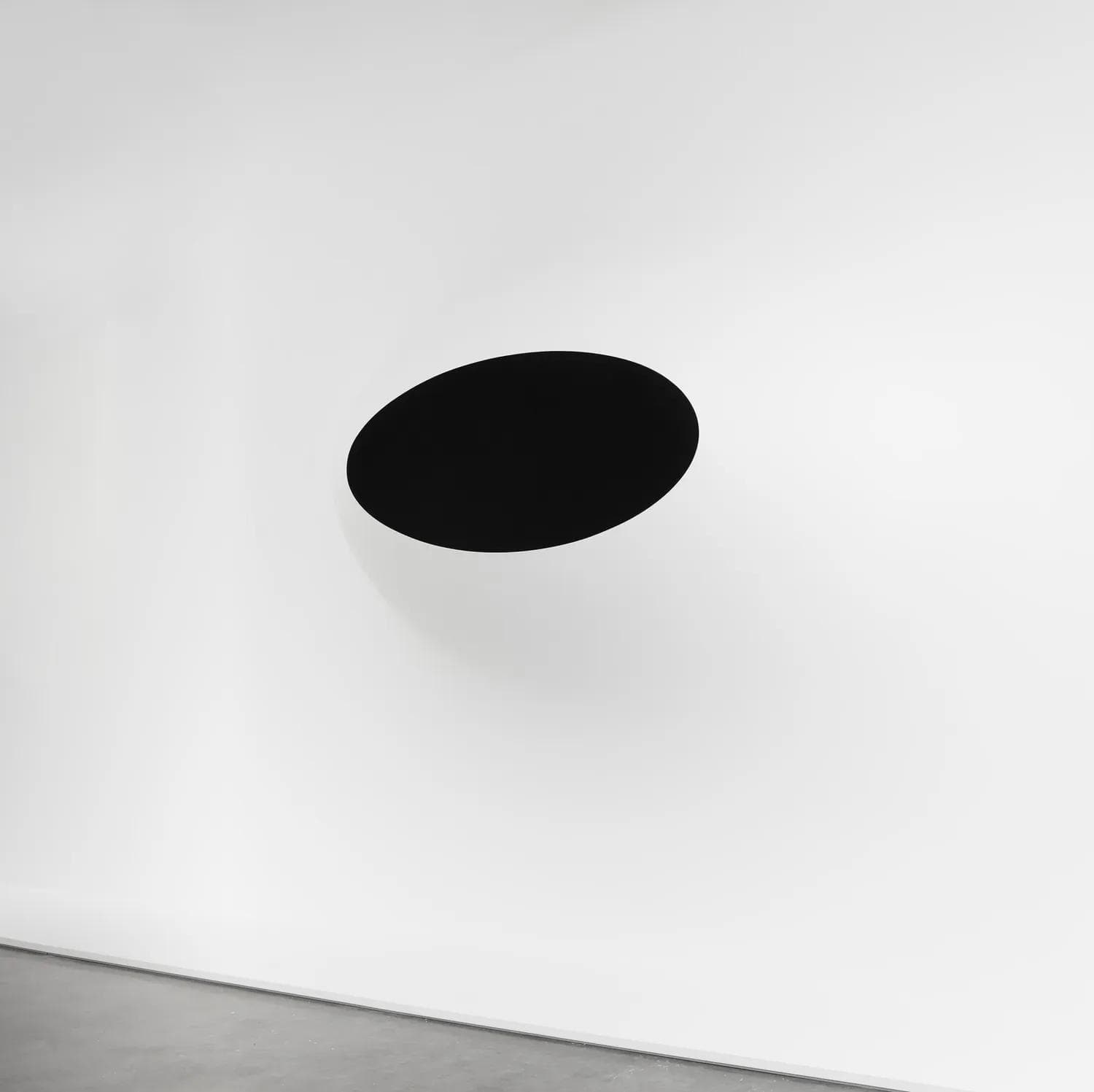
Newer works extend these ideas through more visceral sculptural and painted forms that emphasise physicality and tension, alongside monumental installations in deep red that invert or destabilise the viewer’s sense of orientation. Across the exhibition, Kapoor uses scale, material and optical manipulation to challenge perception, turning the gallery itself into an immersive space.
Location: Hayward Gallery Southbank Centre, Belvedere Rd, London SE1 8XX
Click here for more information.
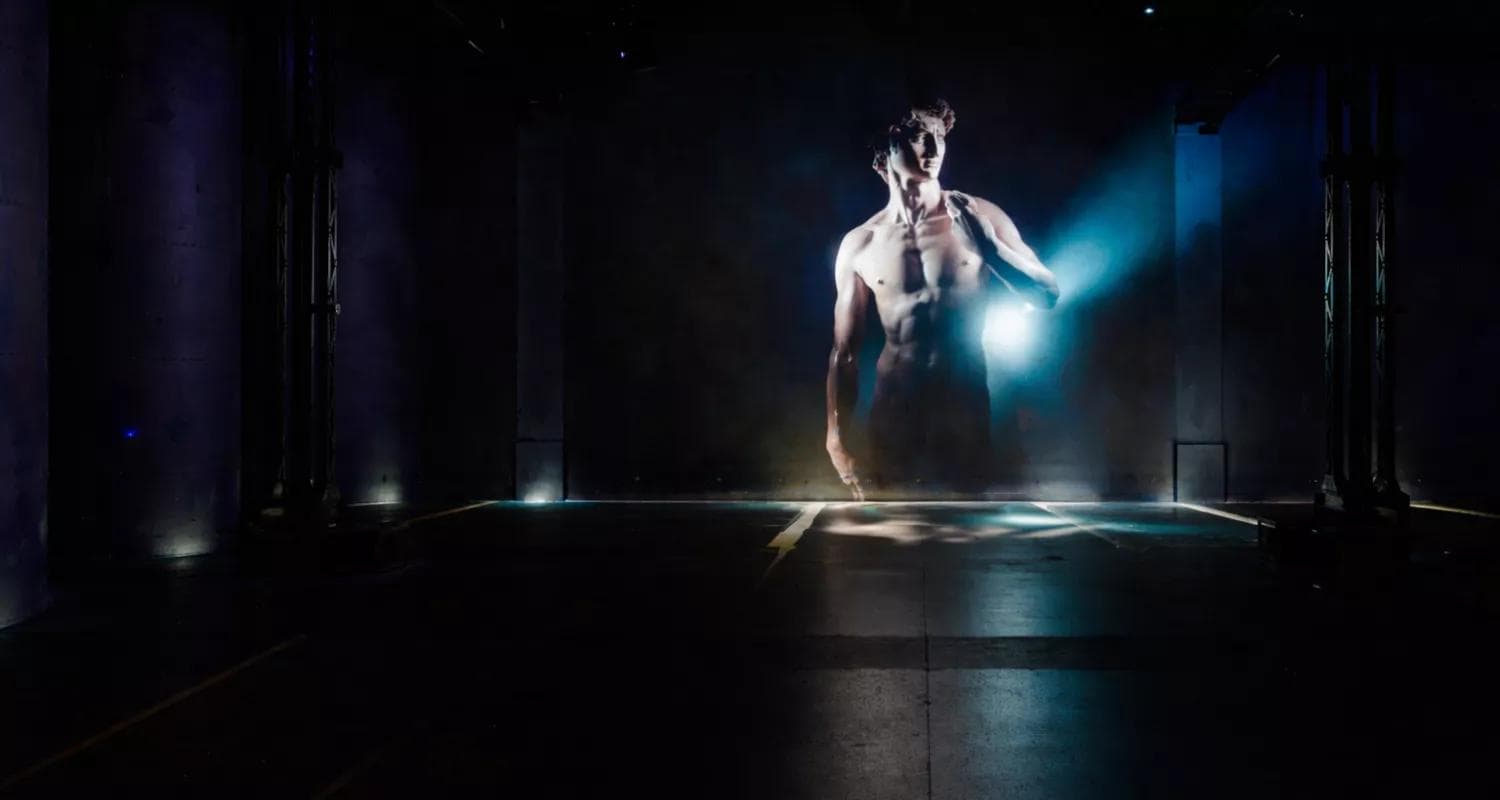
Renaissance: Da Vinci, Raphael, Michelangelo, Atelier des Lumières — Paris, France
Renaissance: Da Vinci, Raphael, Michelangelo at Atelier des Lumières is an immersive exhibition that reinterprets the Italian Renaissance through large-scale digital projection, sound design and spatial effects. It brings together the works of Leonardo da Vinci, Raphael and Michelangelo, presenting their artistic contributions as interconnected expressions of compositional harmony and sculptural intensity. The experience uses HD scans, 3D modelling and animated projection mapping to reconstruct Renaissance masterpieces at a monumental scale. Paintings and sketches are projected across the full surface of the former industrial foundry, including its walls, ceilings and floors, allowing visitors to move through evolving visual environments rather than viewing works as static objects.
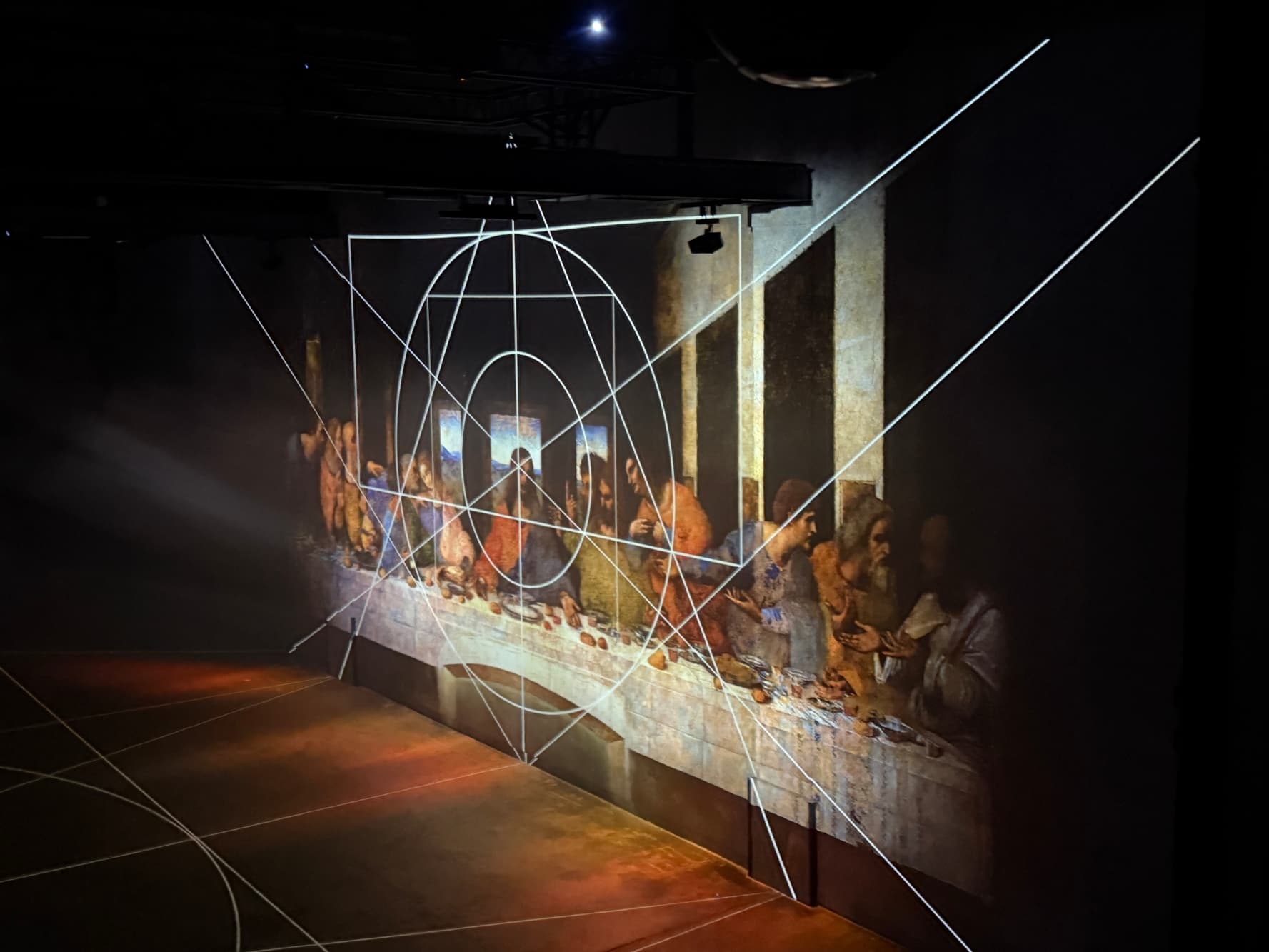
Advanced scenography techniques — including atmospheric effects such as fog, smoke and laser lighting — are combined with spatialised sound and narrative voiceover to create a fully immersive interpretation of Renaissance art. The exhibition emphasises how each artist reshaped understandings of the human form and perspective, situating their work within a continuous visual and sensory environment.
Location: 38 Rue Saint-Maur, 75011 Paris, France
Click here for more information.
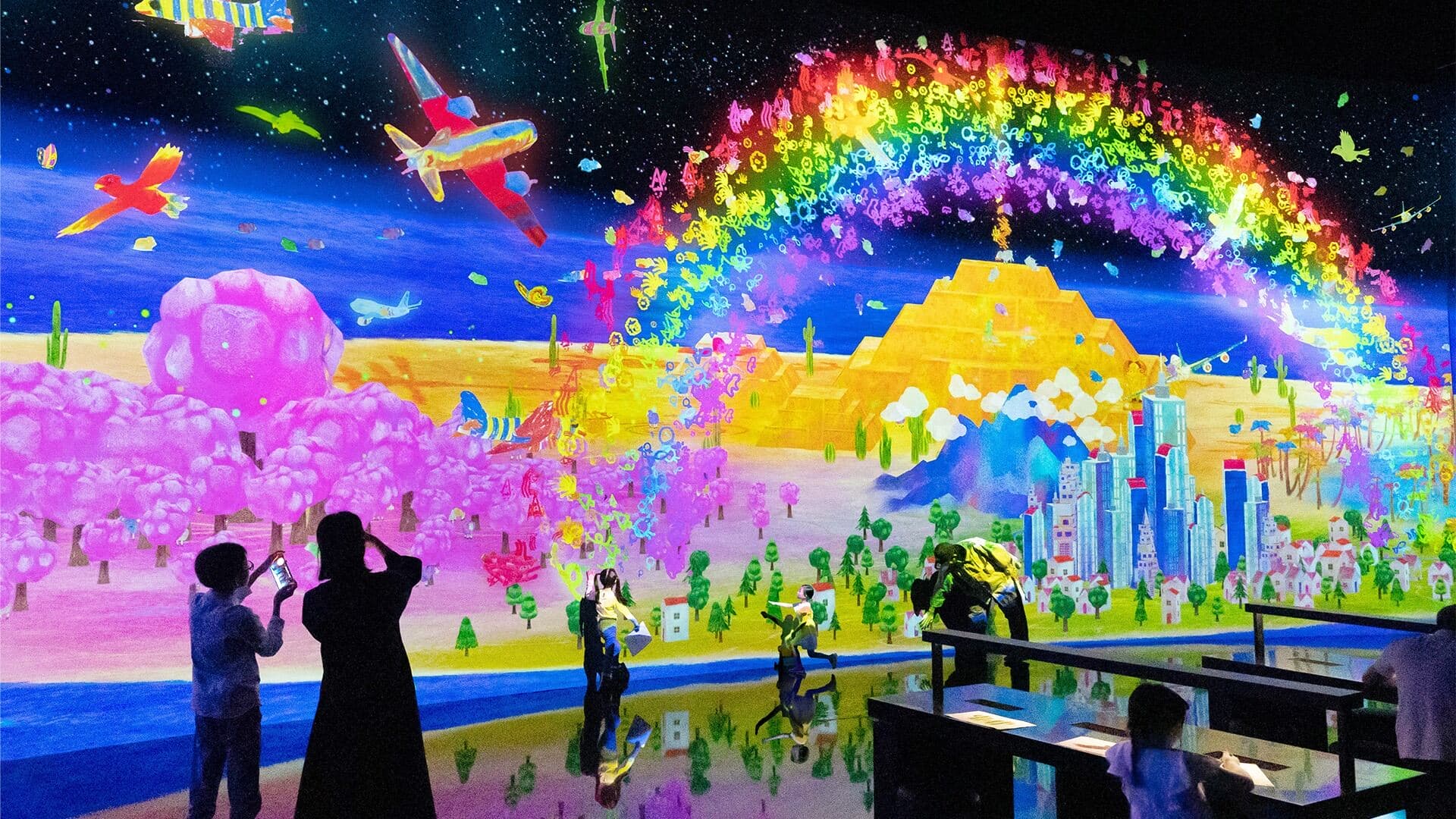
Future World by teamLab — Singapore
Future World at the ArtScience Museum is a permanent immersive exhibition created in collaboration with the international art collective teamLab. It explores the intersection of art, science and technology through interactive digital installations that respond directly to visitor movement. The exhibition is structured around two main environments: “City in Nature” and “Exploring New Frontiers”. In “City in Nature”, visitors move through a digitally constructed landscape inspired by Singapore’s urban biodiversity, where flowers bloom underfoot and animal forms emerge from floral patterns, reinforcing the idea of ecological interconnectedness. In “Exploring New Frontiers”, the focus shifts to more abstract, experimental systems where natural cycles and digital environments are continuously generated and transformed.
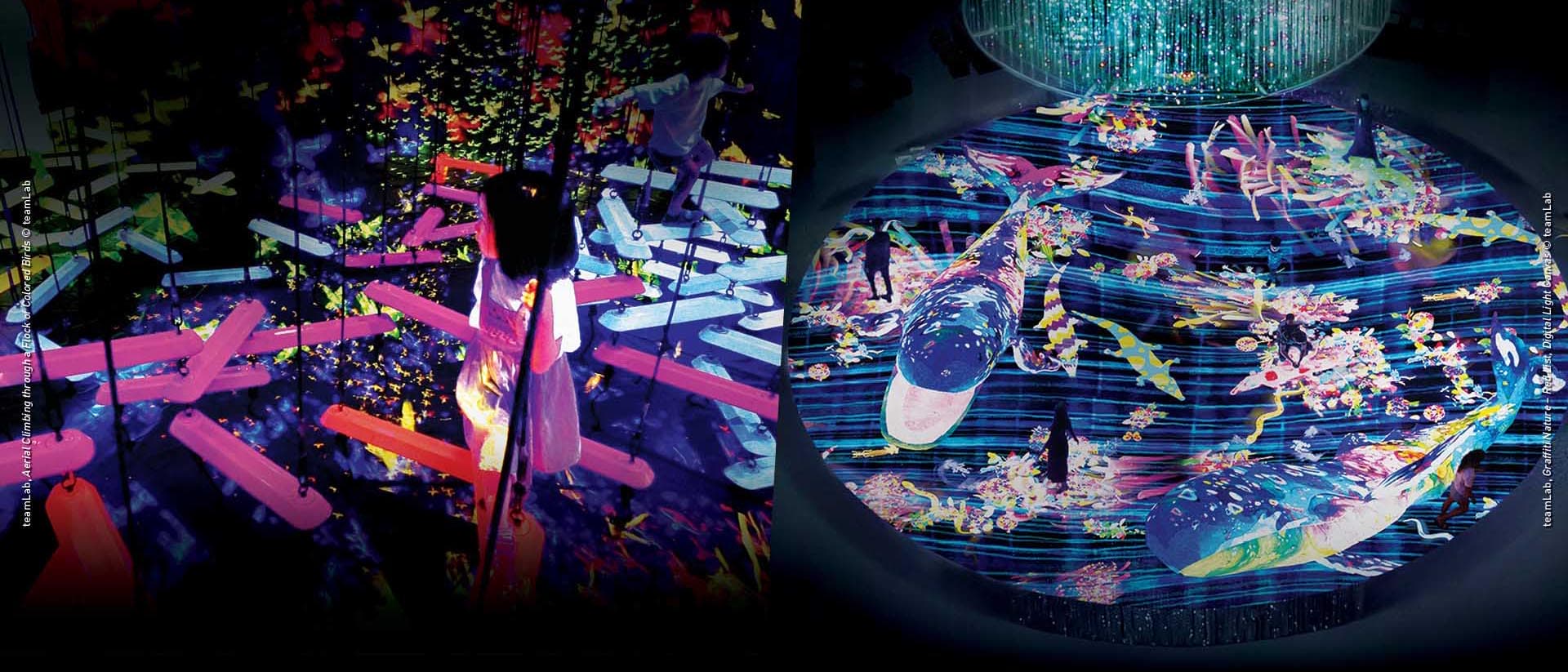
One of the key installations entitled “Continuous Life and Death at the Now of Eternity”, visualises seasonal flowers in an ongoing cycle of growth, decay and regeneration. The work responds to visitor interaction — flowers scatter when touched and regenerate over time — creating a continuously evolving ecosystem shaped by human presence. Across the exhibition, teamLab uses real-time rendering systems and interactive technologies to create environments that are constantly changing. Visitors are invited to move through and actively influence these digital worlds.
Location: ArtScience Museum, 6 Bayfront Ave, Singapore 018974
Click here for more information.
YOKAI Immersive Experience Exhibition — Tokyo, Japan
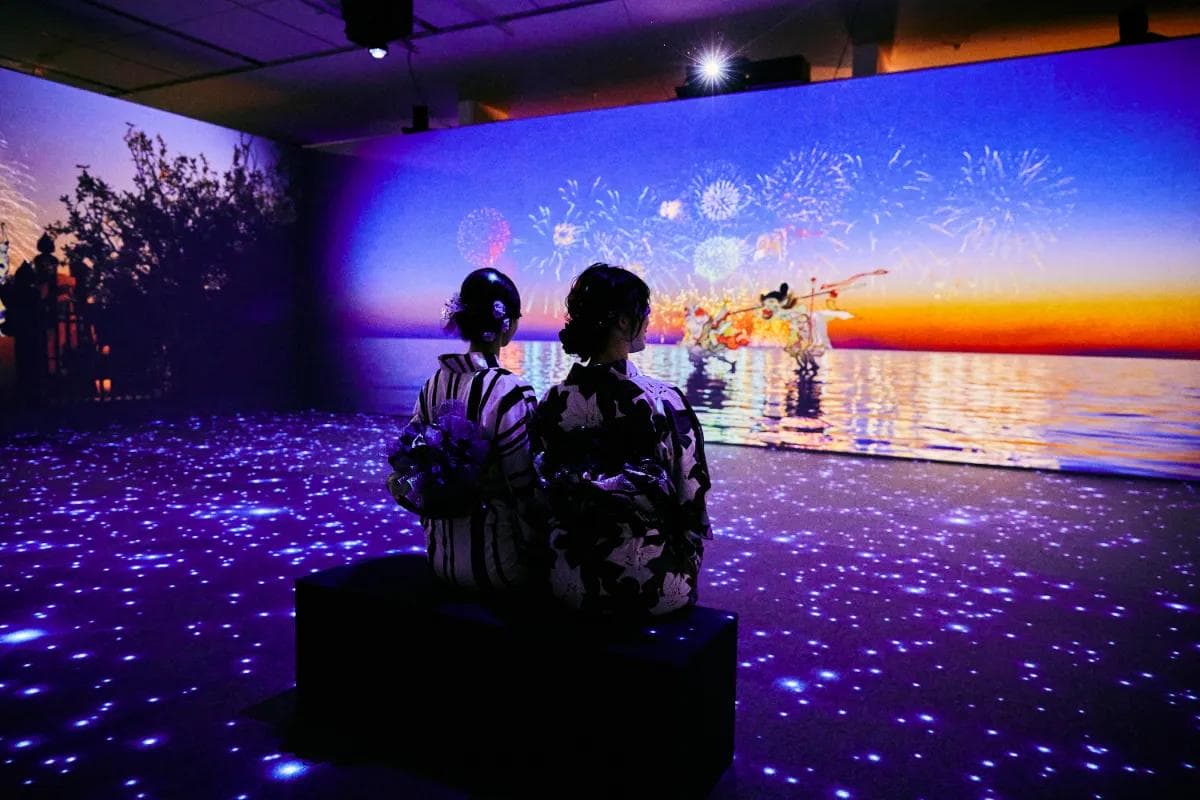
Held at Warehouse TERRADA G1 in Tokyo, the YOKAI Immersive Experience Exhibition is a large-scale digital art environment that reinterprets traditional Japanese yokai folklore through immersive technology. Drawing from Edo- and Meiji-period visual culture, the exhibition brings mythological creatures such as Oni, Tengu, Kappa and Tsukumogami into a contemporary spatial format using 3DCG, projection mapping and holographic displays. Visitors walk through themed installations such as Hyakki Yagyo, Yokai Staircase and Back Alley of Yokai, where layered projections and spatial design create the sensation of entering a living folklore world.
Alongside the visual environments, the exhibition incorporates physical 3D installations that render yokai in sculptural form, allowing visitors to experience their textures, scale and presence in real space. These works sit alongside traditional ukiyo-e prints and archival material developed in collaboration with cultural institutions such as the Nishio City Iwase Bunko Library and the Yokai Art Museum on Shodoshima Island, providing historical context for the folklore and its evolution. The exhibition is designed around three modes of engagement: visual immersion, physical encounter and cultural learning. It positions yokai not only as mythological figures but as an evolving cultural language, linking historical storytelling traditions with contemporary digital art practices and popular culture.
The YOKAI Immersive Experience Exhibition is the world’s first immersive experience-type digital art museum where visitors can immerse themselves in the art of yokai — the pride of Japan — such as “Hyakki Yagyo Emaki”, “Hyakumonogatari”, “Oni”, “Tengu”, “Kappa” and “Tsukumogami” painted by various artists in the Edo and Meiji periods using cutting-edge video technology and 3D modeling. The world’s first immersive experiential digital art museum.
Location: Warehouse TERRADA G1 Bldg (5 minutes walk from Tennozu Isle Station)
Click here for more information.
Special Mention:
LOEWE FOUNDATION Craft Prize 2026 — National Gallery Singapore
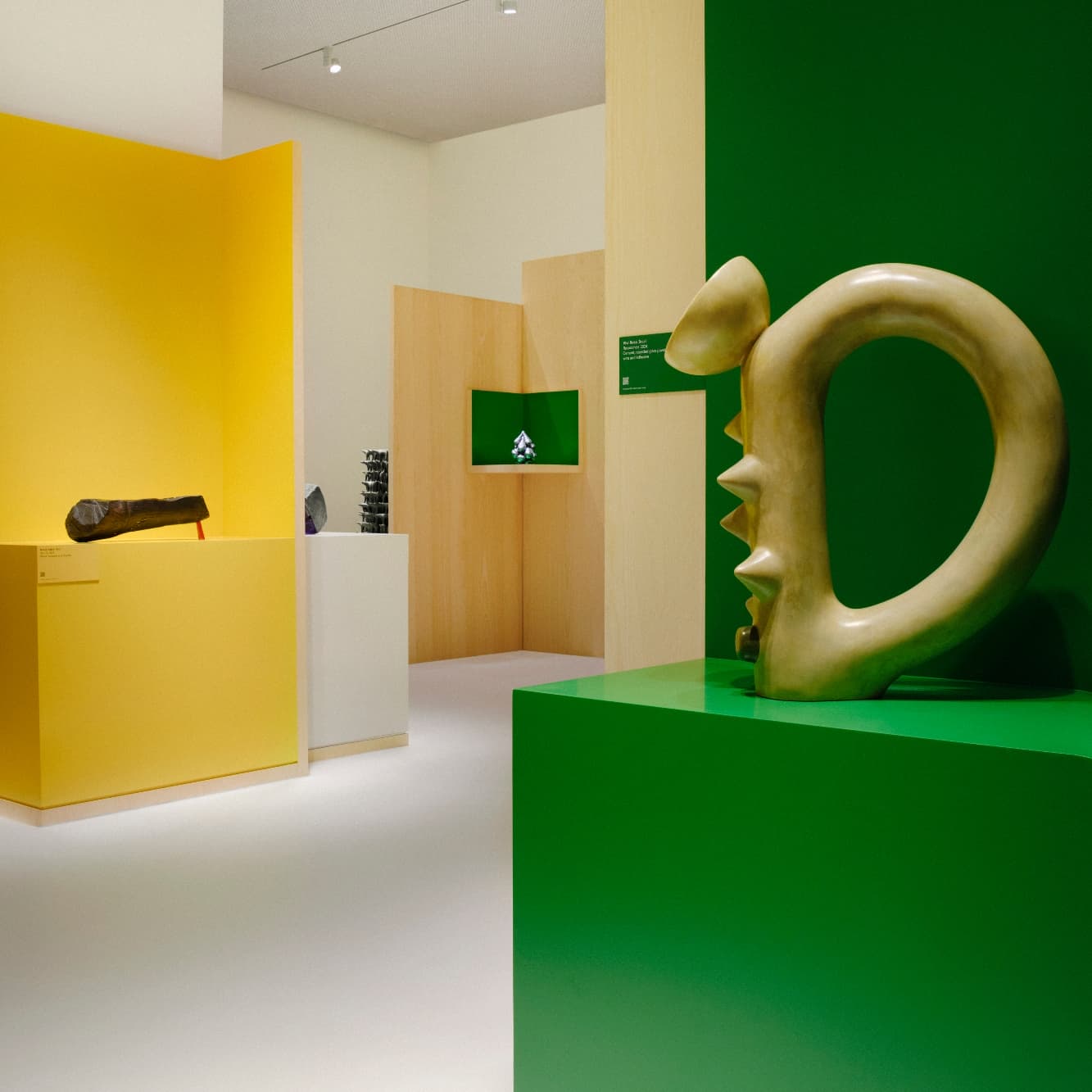
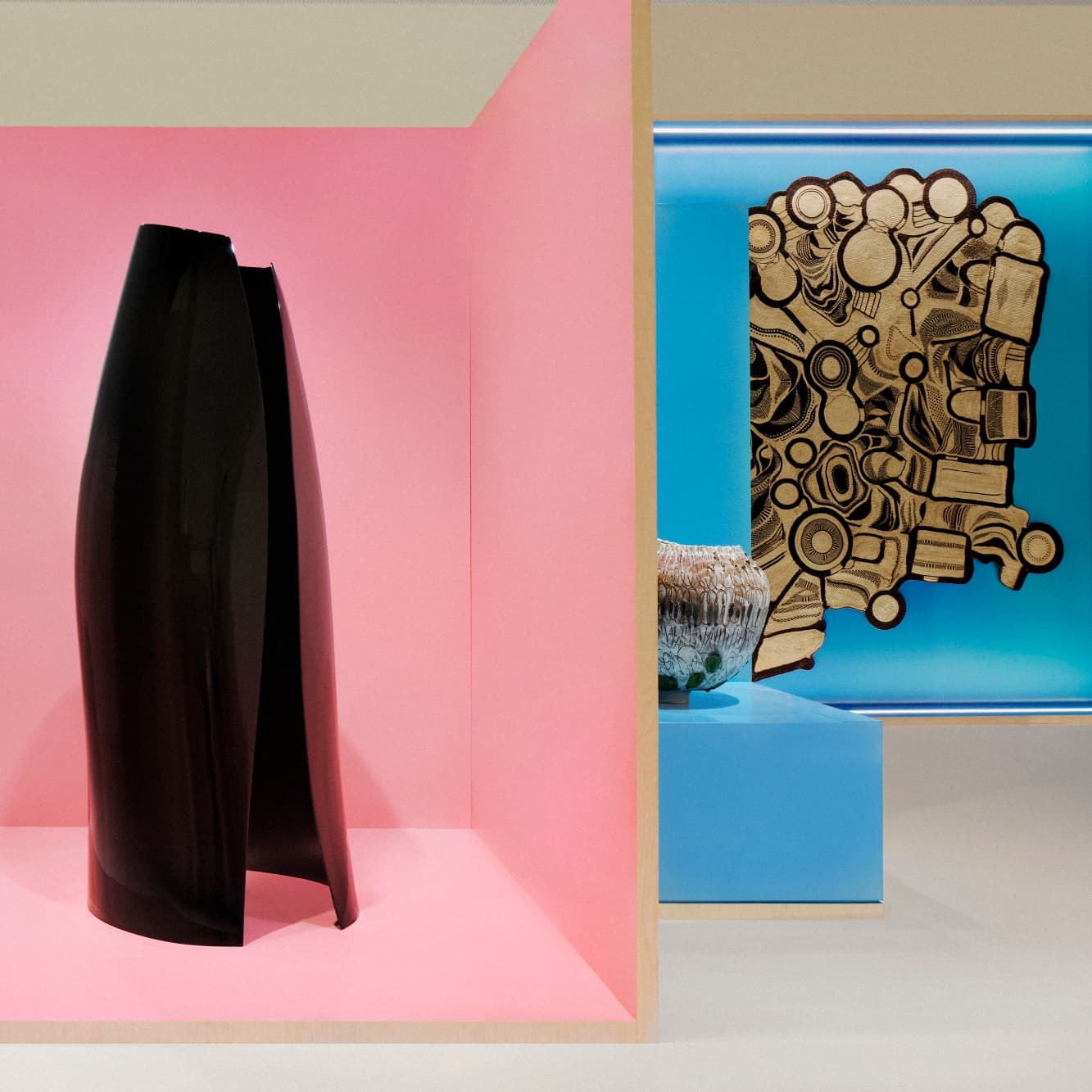
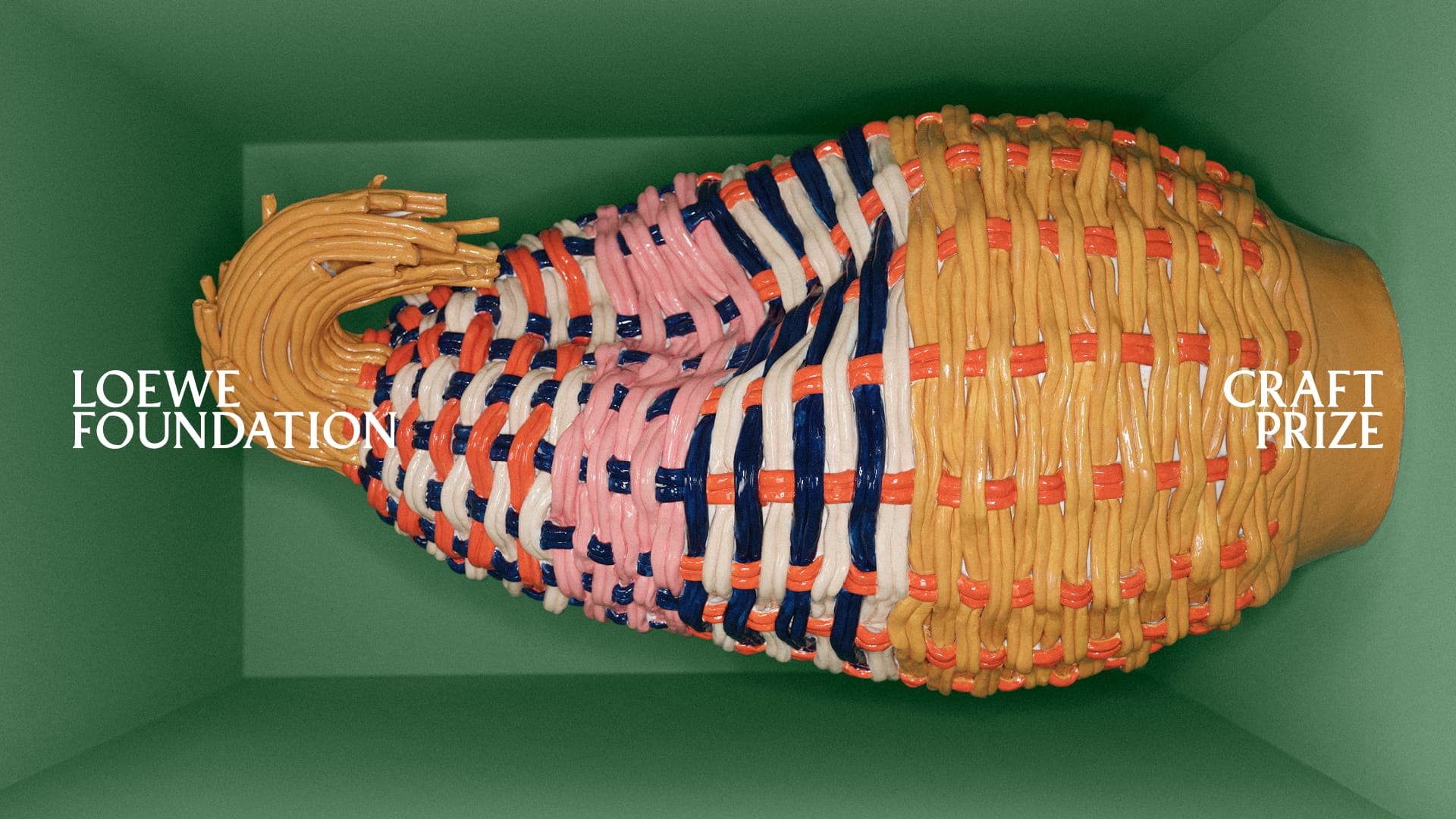
The LOEWE FOUNDATION launched the international annual LOEWE FOUNDATION Craft Prize in 2016 to showcase and celebrate newness, excellence and artistic merit in modern craft. This year’s LOEWE FOUNDATION Craft Prize took place in Singapore (running from 13 May to 14 Jun 2026) in a celebration of contemporary craft. From over 5,100 submissions across 133 countries and regions, 30 finalists were shortlisted and exhibited at the National Gallery Singapore, with works spanning ceramics, textiles, woodwork, metal, glass, lacquer and jewellery. There is something to be said about this year’s approach to “controlled instability” amongst the Craft Prize’s shortlisted works. Materials are deliberately pushed into states of tension, transformation and partial unpredictability — whether through firing, weaving, layering or cutting. Traditional craft techniques were reinterpreted through contemporary methods and shaped through various processes of experimentation.
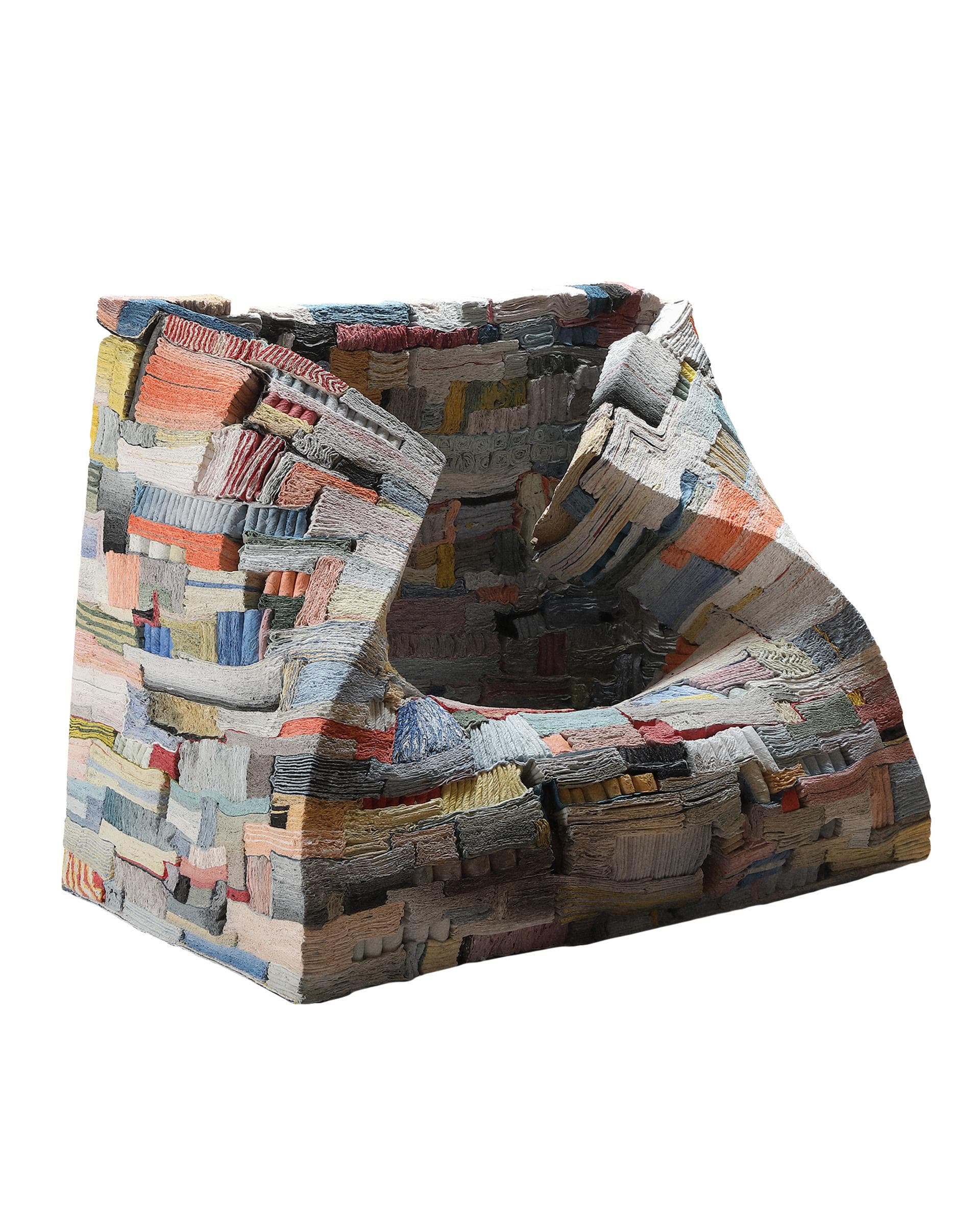
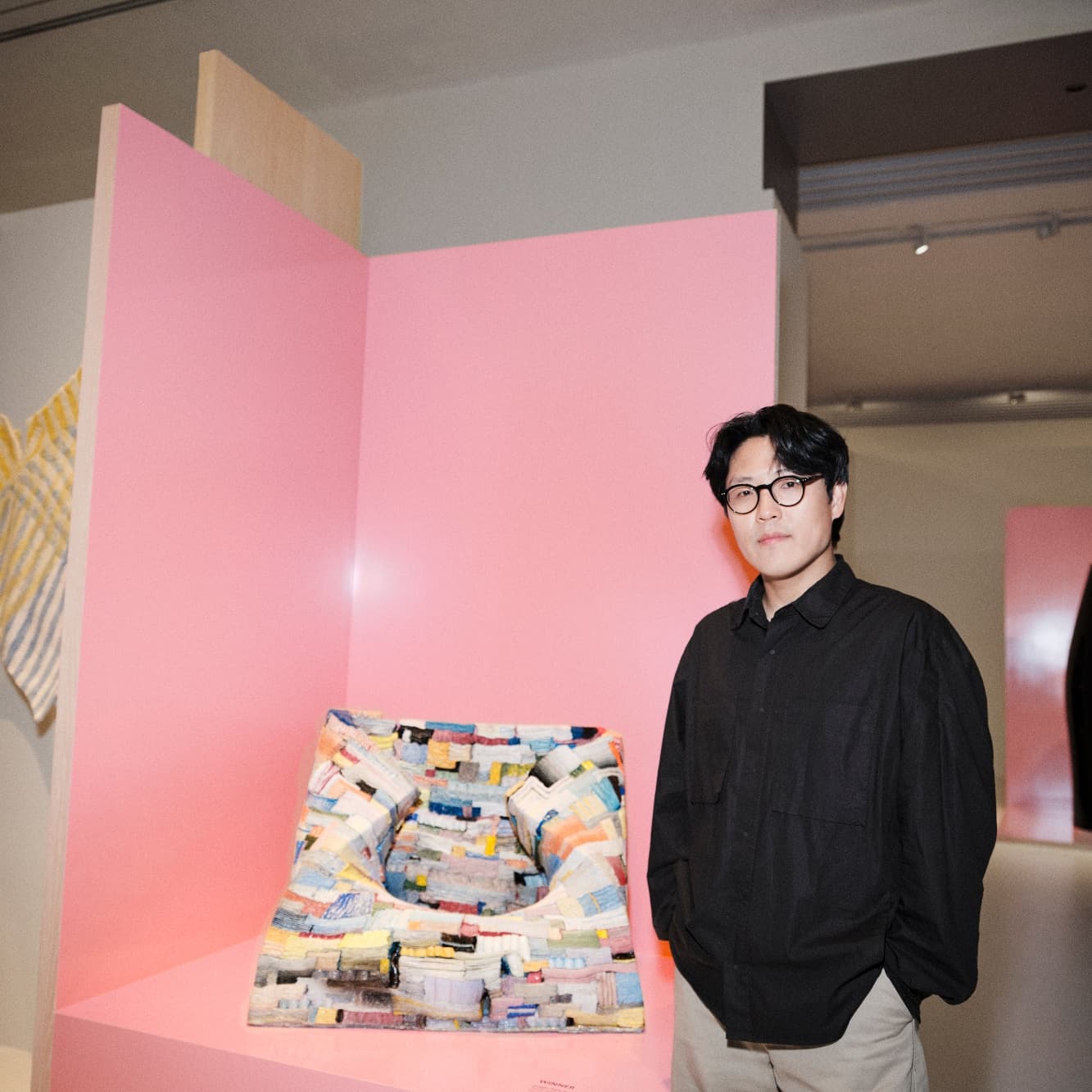
The winner — Jongjin Park from the Republic of Korea — received the EUR 50,000 prize for Strata of Illusion (2025), a sculptural seat-like form constructed from thousands of layered sheets of paper coated in porcelain slip. During firing, the paper burns away while the structure collapses under heat and gravity, resulting in a final form shaped as much by controlled process as by material unpredictability. The work was recognised for its tension between control and collapse and for expanding the expressive possibilities of ceramics through techniques that draw on papermaking, glassblowing and sculptural construction.
Location: National Gallery Singapore
Click here for more information.
For more on the latest in art and culture reads, click here.