

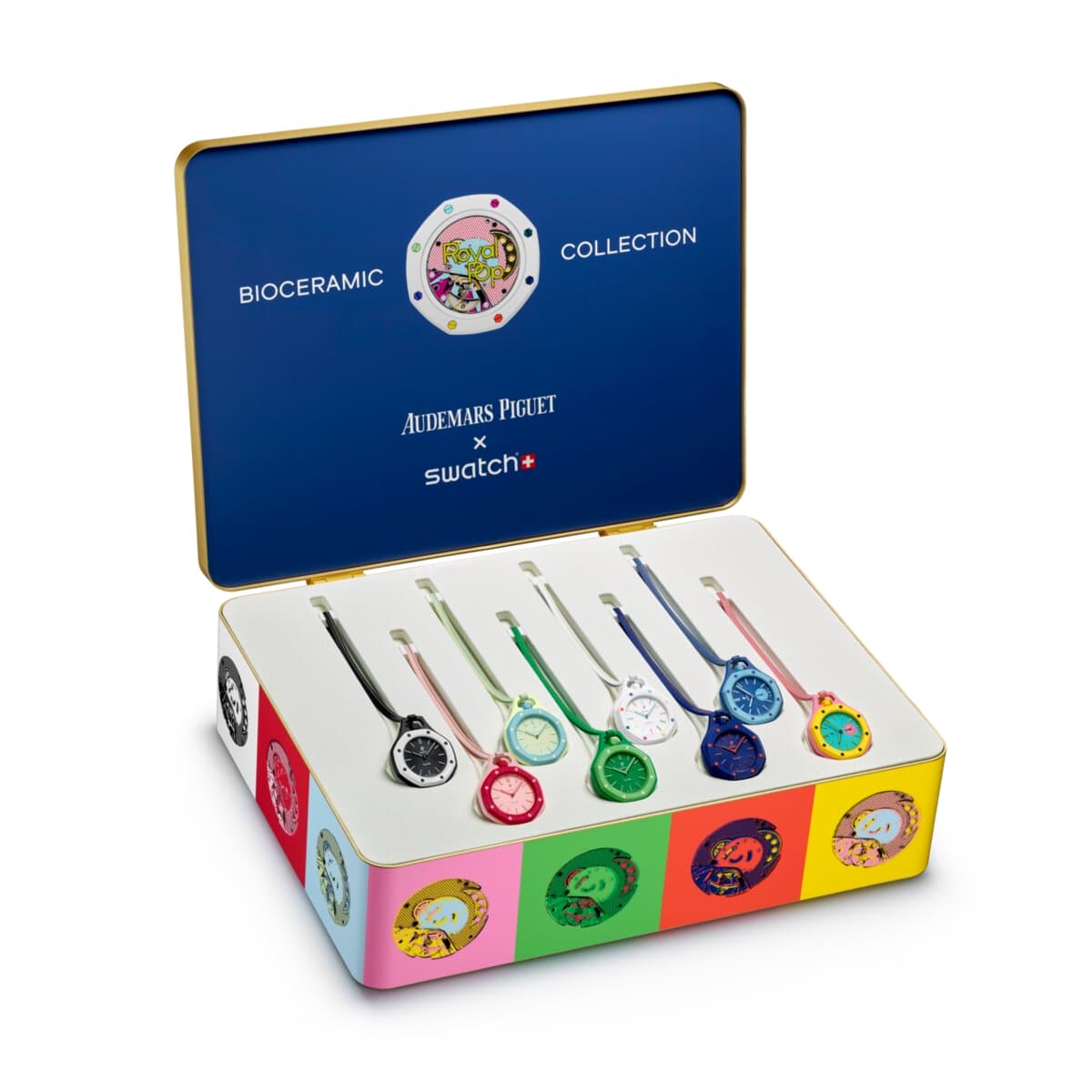
Audemars Piguet and Swatch have joined forces to unveil the AP x Swatch Bioceramic Royal Pop Collection — a disruptive pocket watch available in eight models and designed to be worn in a multitude of different ways. The core controversy surrounding the collaborative collection goes beyond the watches themselves but rather the insight it provides into today’s luxury watchmaking strategies. Combining the visual codes of the Royal Oak with the playful spirit of Swatch’s 1980s POP watches with colourful Bioceramic construction and unconventional pocket watch format, the launch reveals how brands are approaching cultural relevance in 2026.
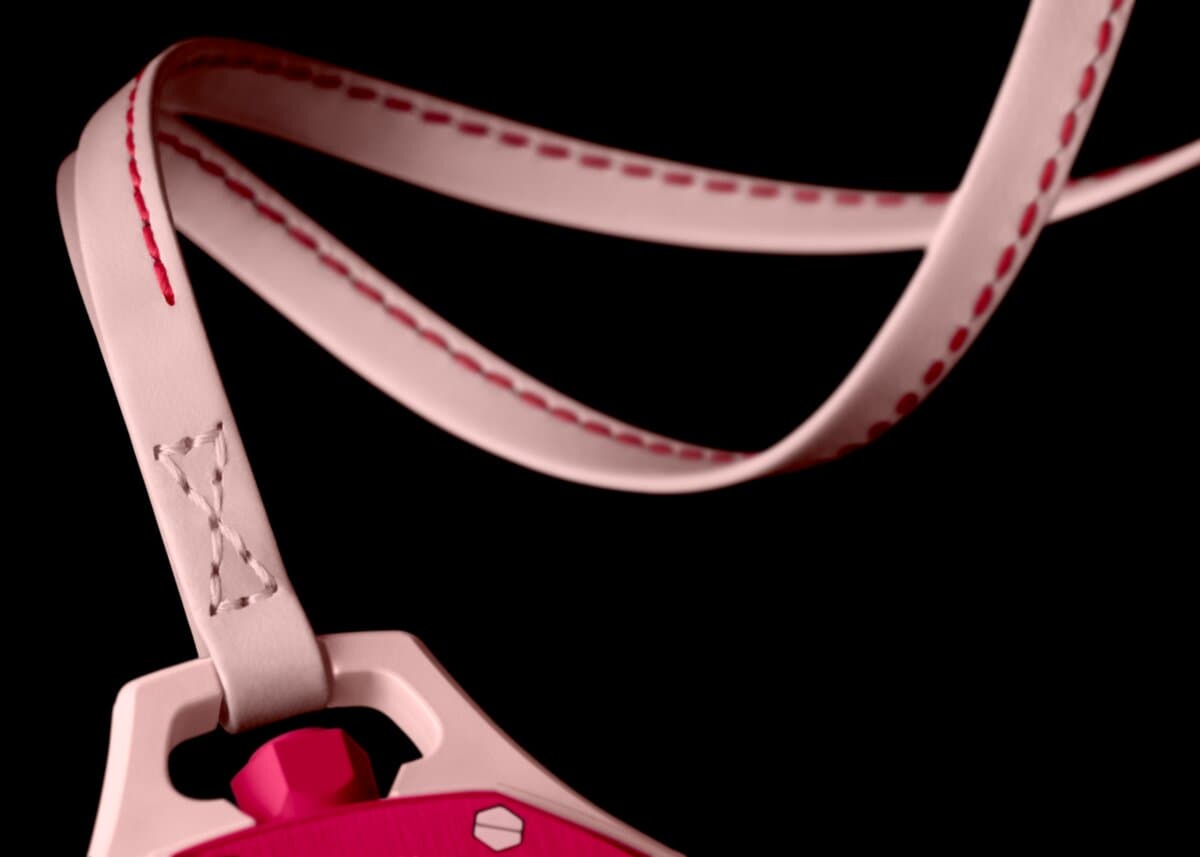
The pieces are designed to function almost like wearable accessories. Each comes with a calfskin lanyard and multiple styling options — allowing the watch to be worn around the neck, attached to a handbag, carried in a pocket or displayed as a desk watch through a removable stand. By reinterpreting hallmark Royal Oak design cues through a far more playful and mass-market lens, the product moves closer to something of a fashion accessory than a conventional piece of luxury horology.
Overnight queues formed globally ahead of the launch on 16 May, including outside Swatch boutiques at ION Orchard and Marina Bay Sands in Singapore. Many consumers queued for hours only to leave empty-handed, while Swatch staff declined to reveal how many units would be available or when stock would be replenished. Customers even noted how Swatch staff limited lines to 50 people despite people waiting in line for hours, resulting in heightened frustration amongst the crowd left outside.
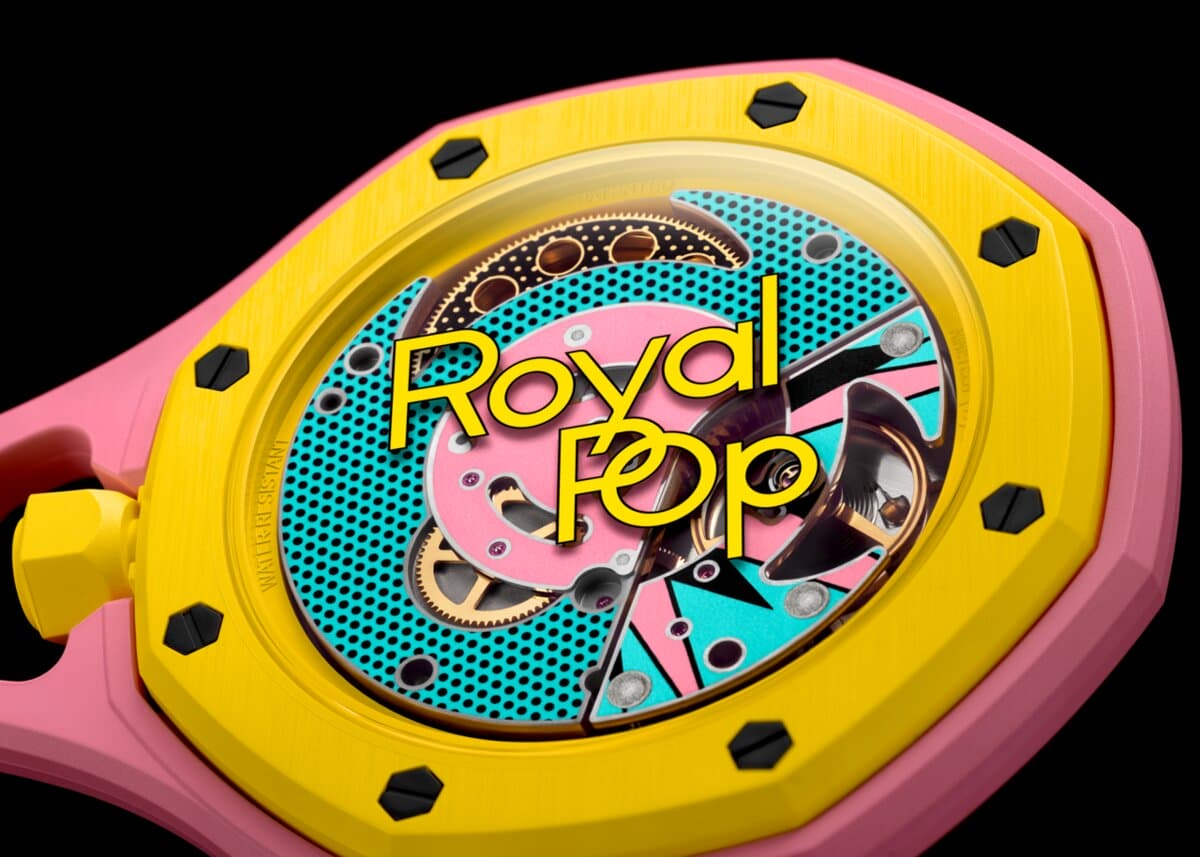
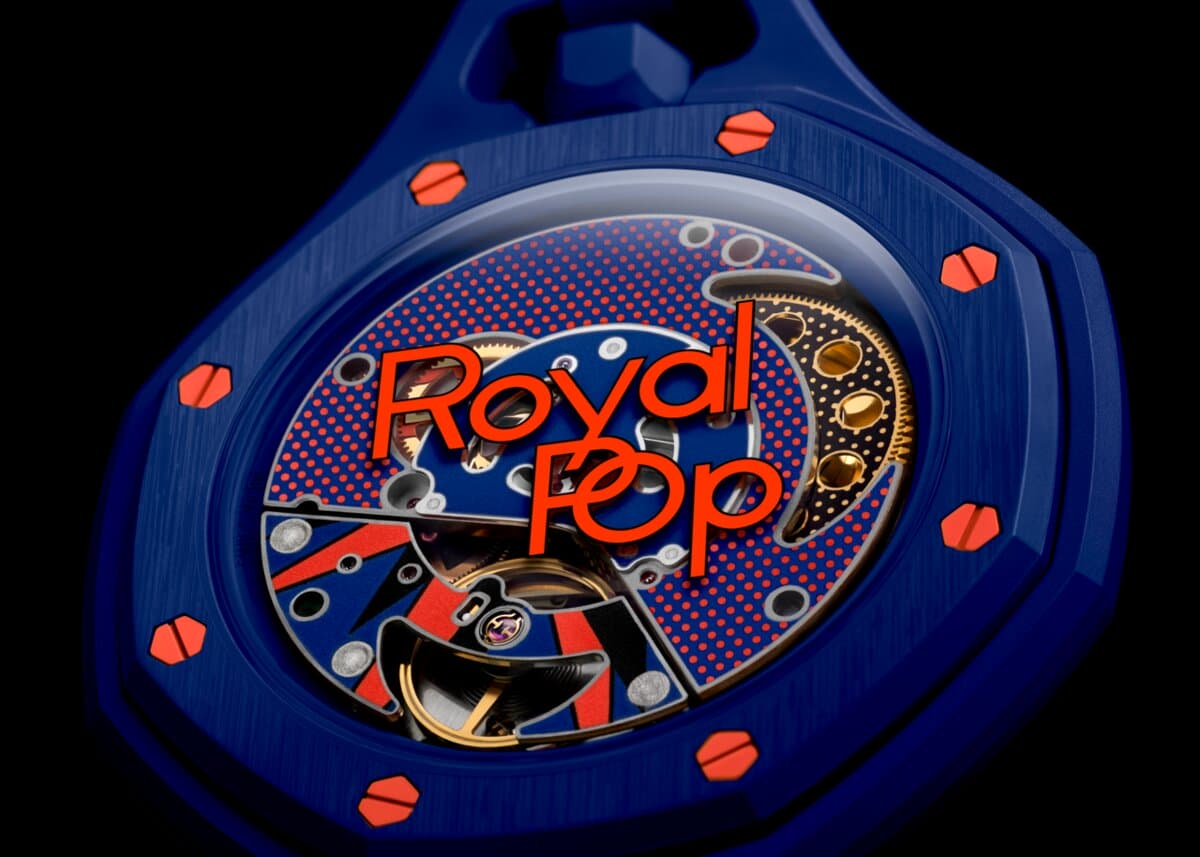
Although the watches retail between approximately SGD 535 and SGD 600 depending on the model, resale prices on secondary marketplaces such as Carousell and eBay quickly surged to between SGD 1,100 and over SGD 3,000. Importantly, Swatch has clarified that the release is not limited edition, making much of the frenzy appear almost entirely hype-driven. Many collectors and enthusiasts have advised consumers to wait for stock levels to normalise rather than participate in inflated resale pricing fuelled by scalpers.
This has become one of the collection’s most fascinating aspects. Rather than consumers purchasing the watches purely out of appreciation for the product itself, many appear to be participating in a larger online cultural moment built around reselling (or “flipping”) and posting it rather than simply collecting. In that sense, the AP x Swatch Royal Pop Collection begins to resemble luxury’s version of the Labubu phenomenon, where the “hype” of the object alone carries cultural value that supersedes its functional purpose.
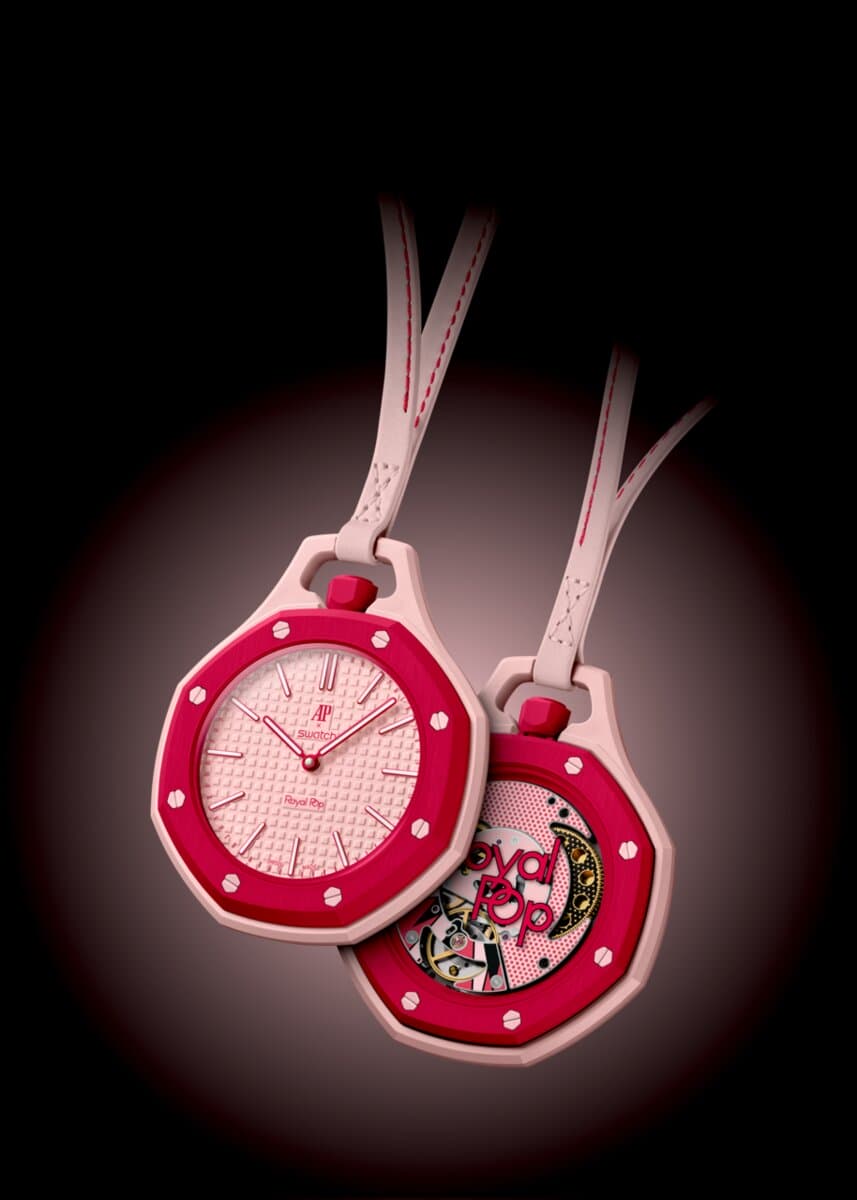
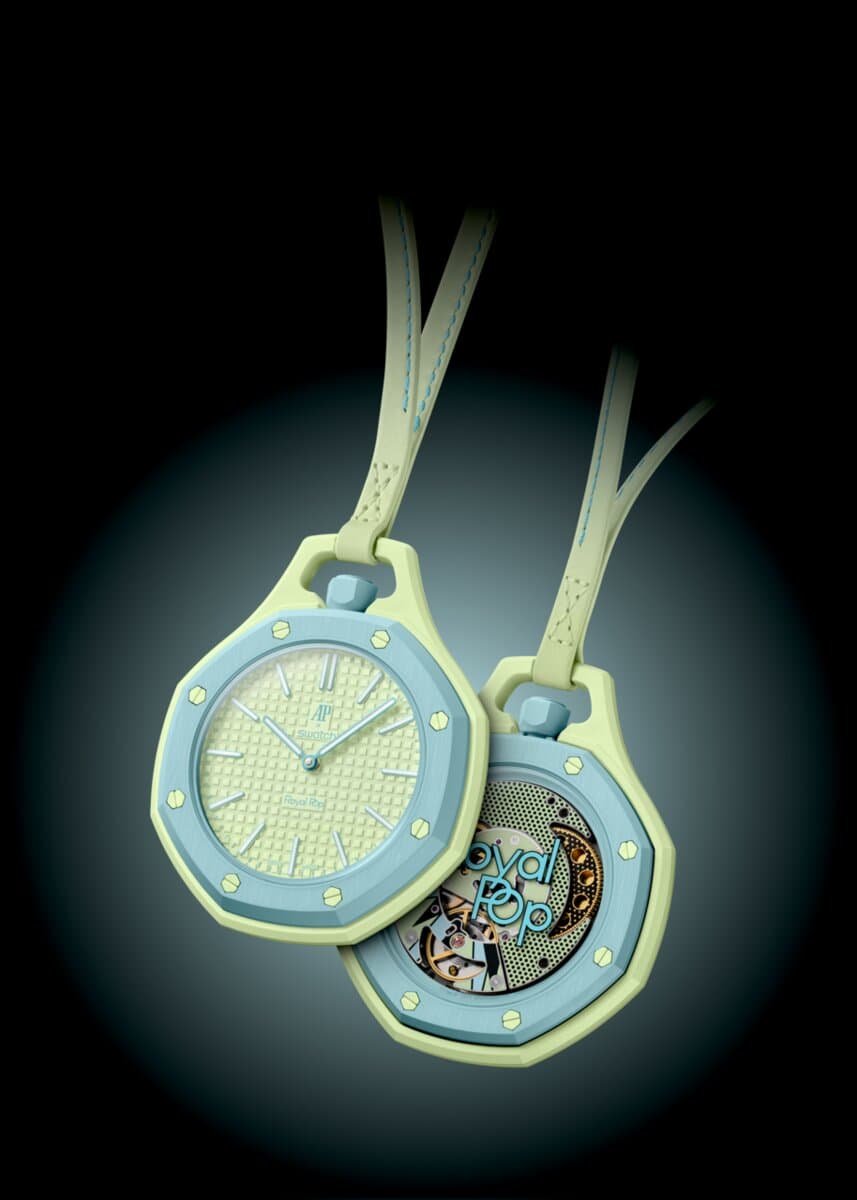
The ability to style it with the rather unusual pocket watch format only reinforces this idea. Had Audemars Piguet and Swatch released a conventional wristwatch, comparisons to the Royal Oak would have been unavoidable. Instead, the decision to reinterpret the Royal Oak as a playful accessory object creates enough novelty and separation to sustain intrigue while avoiding direct competition with AP’s core product line.
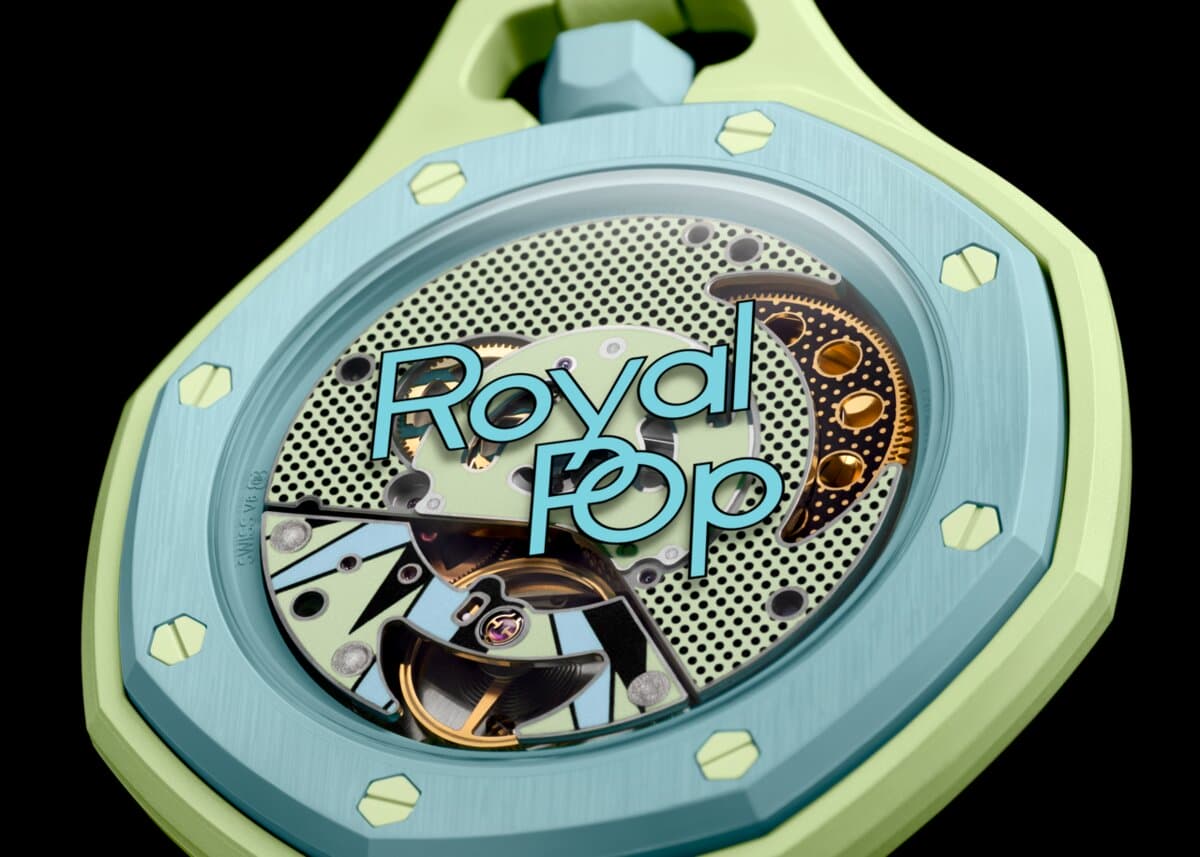
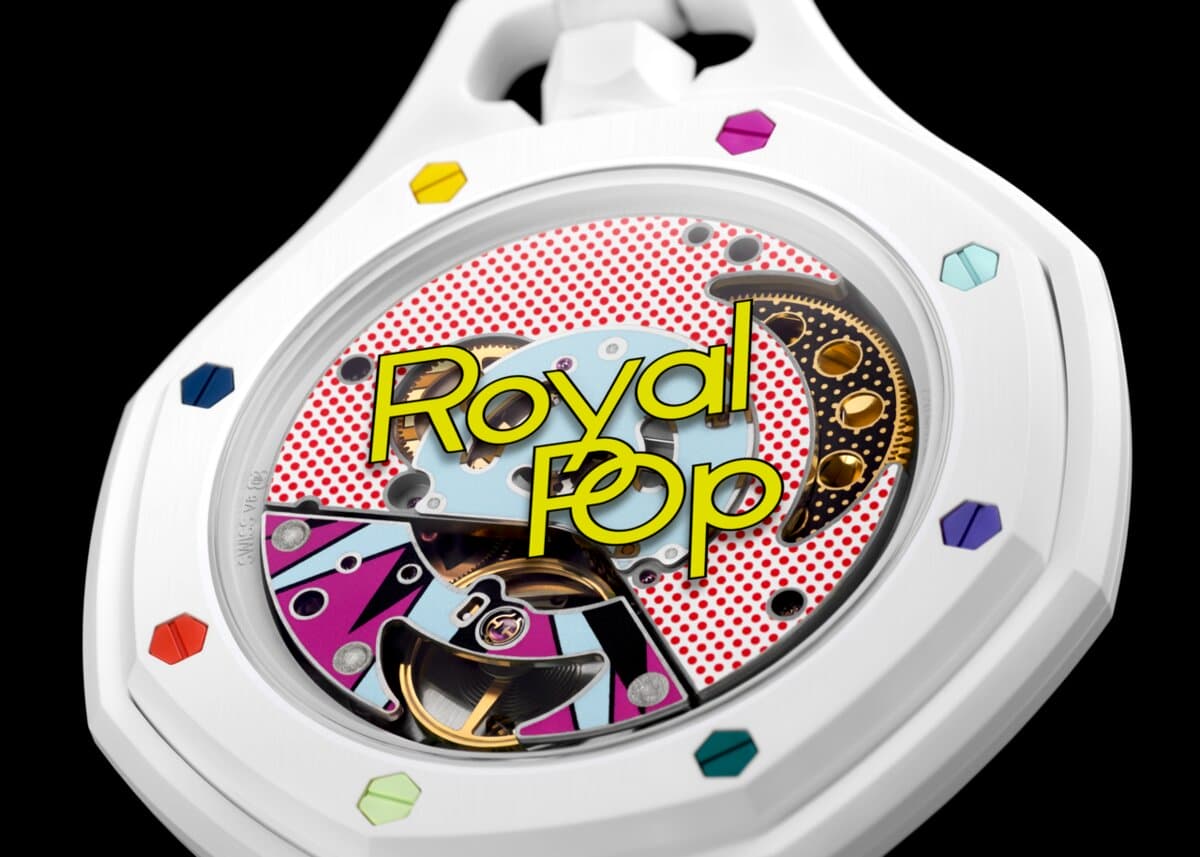
The design deliberately departs from the dial of a wristwatch altogether, as it is structured around two distinct pocket watch executions rather than a traditional bracelet-mounted form. One takes the form of a Lépine-style pocket watch, with the crown positioned at 12 o’clock and a stripped-back display offering only hours and minutes across six variations. The other adopts a Savonnette configuration, with the crown at 3 o’clock and a more complex dial layout incorporating a small seconds subdial at 6 o’clock, available in two versions. One way AP x Swatch is deliberately distancing the product from the Royal Oak wristwatch is by repositioning it as a wearable object, shifting the focus away from the wrist and toward more flexible forms of carry. However, Chinese manufacturers are already circumventing this positioning by producing aftermarket watch straps that attempt to re-adapt the piece back into a traditional wrist-worn format.
Another potentially strategic motive is tied to intellectual property and brand protection. Malaysian business and lifestyle creator Andrew Poh Seng Yong recently pointed out that Audemars Piguet has faced setbacks in attempts to trademark elements of the Royal Oak’s design in markets including Japan and the United States. Courts have reportedly argued that consumers identify the watch primarily through Audemars Piguet branding rather than through the octagonal bezel or tapisserie dial alone. For context, Audemars Piguet has historically struggled to secure permanent protection over the Royal Oak’s physical design because utility patents and design rights naturally expire over time. Attempts to trademark the case shape itself have faced challenges over whether those visual features are inherently distinctive enough to warrant exclusive ownership.
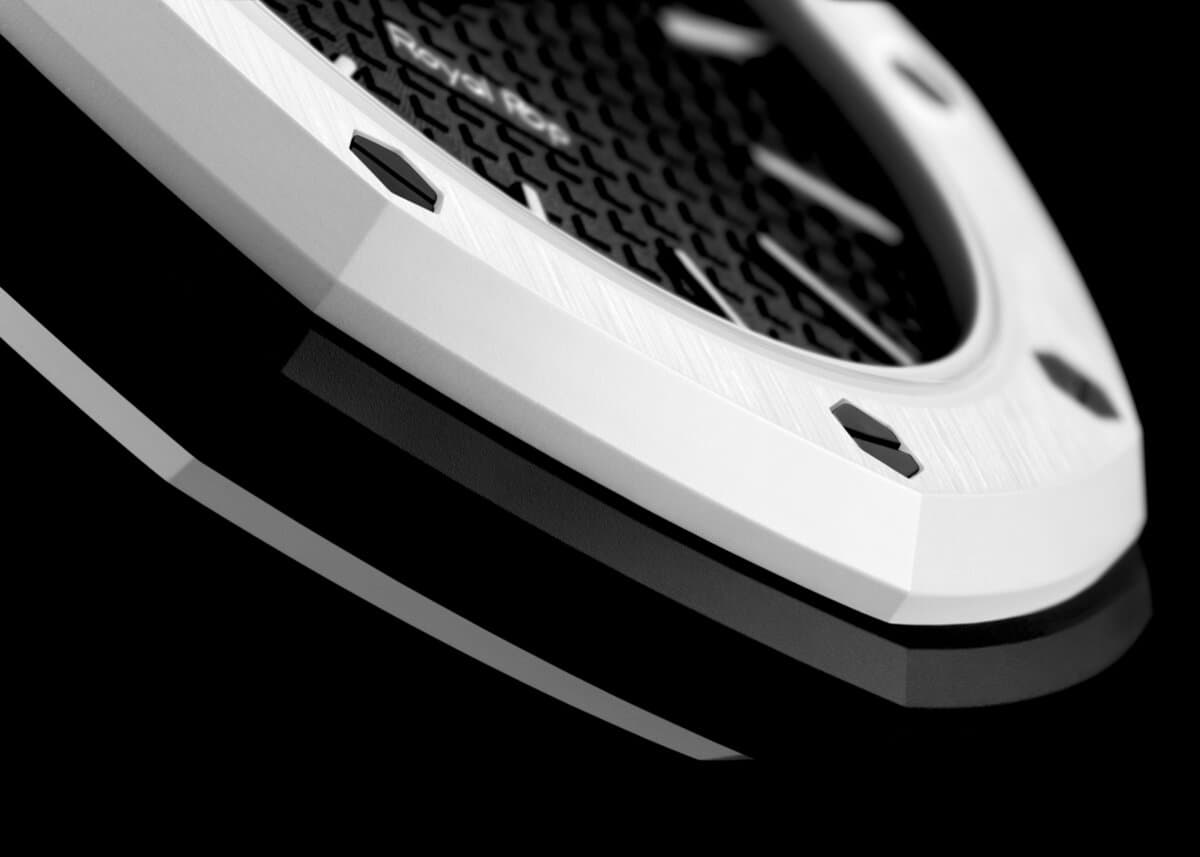
On the other hand, Royal Pop has eight additional patents for the case construction, as the original Royal Oak’s case is complex, combining the rounded octagon, the circle and the barrel shape (all these features are found in the Royal Pop). One of these patents is the design of the barrel drum (the watch’s power reserve), which also indicates the watch’s power reserve.
As the Royal Oak is already one of the most imitated luxury watch designs in the world, flooding popular culture with officially branded versions of its visual language may strengthen consumer association between the octagonal silhouette and Audemars Piguet itself. Rather than allowing affordable brands to capitalise on “Royal Oak-inspired” aesthetics, AP enters the accessible market directly on its own terms. The strategy also aligns with the direction of AP under CEO Ilaria Resta, whose background at Procter & Gamble signals a far more consumer-brand-oriented approach to luxury watchmaking. In interviews, Resta has repeatedly emphasised the importance of innovation, cultural evolution and long-term brand building rather than relying purely on heritage or scarcity.
Furthermore, according to Morgan Stanley industry estimates, Audemars Piguet generated approximately USD 2.62 billion in revenue in 2024 while producing only around 50,000 watches annually, maintaining its position among Switzerland’s most successful luxury watchmakers. Yet despite that strength, Resta has openly argued against complacency, positioning AP as a brand focused on continuous reinvention. Audemars Piguet CEO Ilaria Resta also revealed that the brand will be supporting the education of future watchmakers by donating 100 percent of revenue generated by Royal Pop sales, “to support the artisans who keep high watchmaking alive: through scholarships for the next generation and financial support for those whose craft is under pressure”.
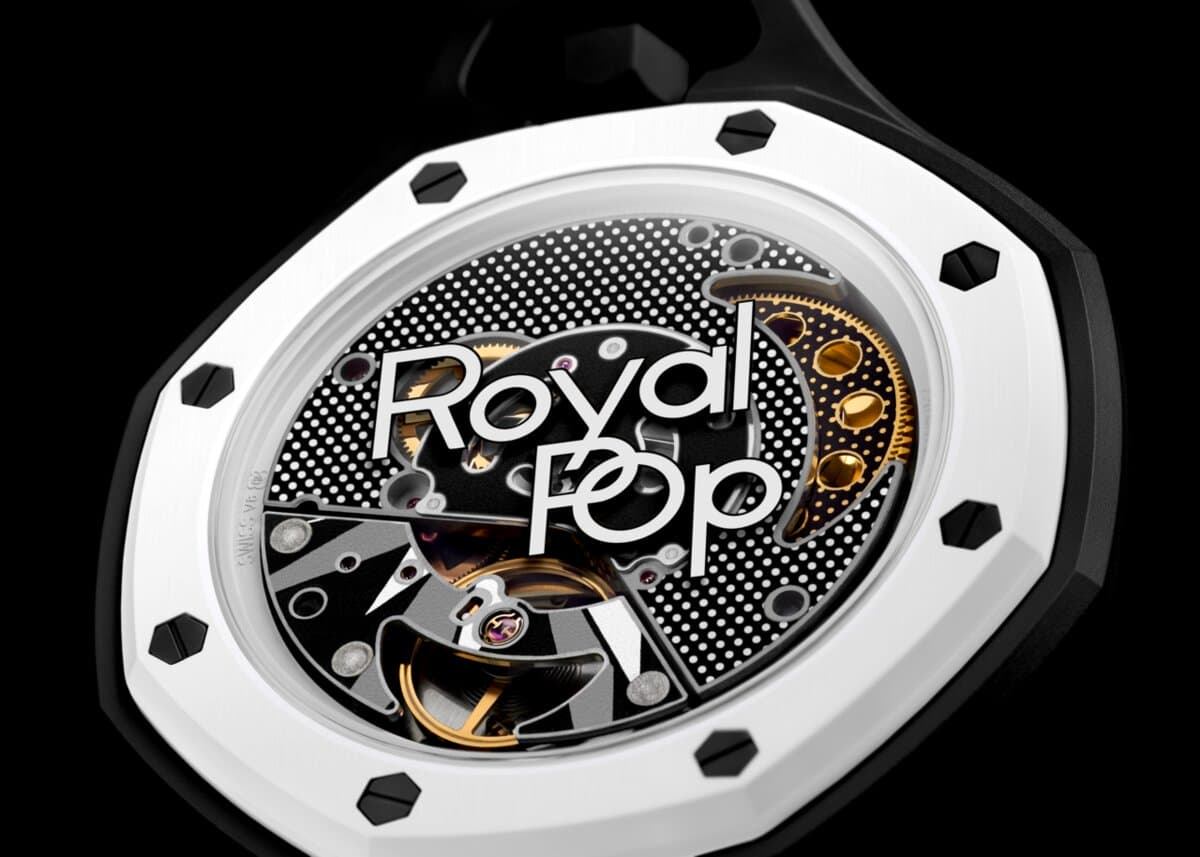
This is what makes the Royal Pop launch particularly divisive within traditional watch communities. Critics such as watch content creator Misha Mertsyn have questioned the product’s long-term horological value, particularly highlighting that its 51-part movement is reportedly non-serviceable. During the warranty period, defective watches are replaced rather than repaired, raising concerns about the product’s sustainability and collectability once warranties expire. For purists, this fundamentally clashes with the traditional values of high-end watchmaking, where mechanical longevity and serviceability remain central pillars of value.
Ultimately, the AP x Swatch Royal Pop Collection raises a larger question about the future of luxury itself. Does releasing a playful, mass-accessible object weaken the exclusivity of Audemars Piguet or does it strengthen the cultural dominance of the Royal Oak by embedding its design language deeper into public consciousness? The answer could determine whether “high-low” collaborations like this remain contemporary marketing strategies or become the future blueprint for how heritage luxury brands maintain relevance in an increasingly hype-driven market.
Unlike previous Swatch collaborations such as the MoonSwatch with Omega or the Blancpain Scuba Fifty Fathoms — both of which involved brands owned by the Swatch Group itself — the Royal Pop partnership marks the first time Swatch has collaborated with a completely independent watchmaker. Audemars Piguet remains family-owned and operates outside the Swatch Group ecosystem, making the collaboration far more commercially and strategically significant than previous in-house crossovers.
For Swatch, this is an opportunity to boost sales and replicate the success of 2022’s MoonSwatch. For Audemars Piguet, it functions as a carefully calculated entry point into youth-driven hype culture, allowing the Royal Oak’s design language to circulate far beyond traditional collectors without fully compromising its high-luxury positioning.
Discover the full collection here: Audemars Piguet x Swatch | Royal Pop Collection
Retail price of this collection starts from SGD 535.
For more on the latest in luxury watch reads, click here.