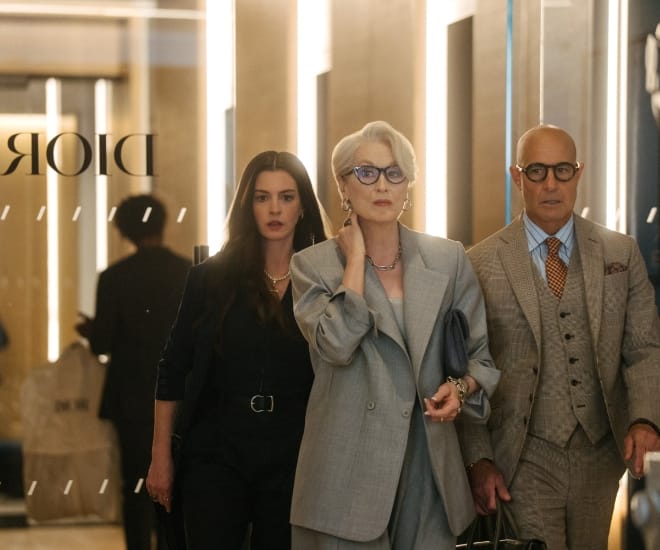
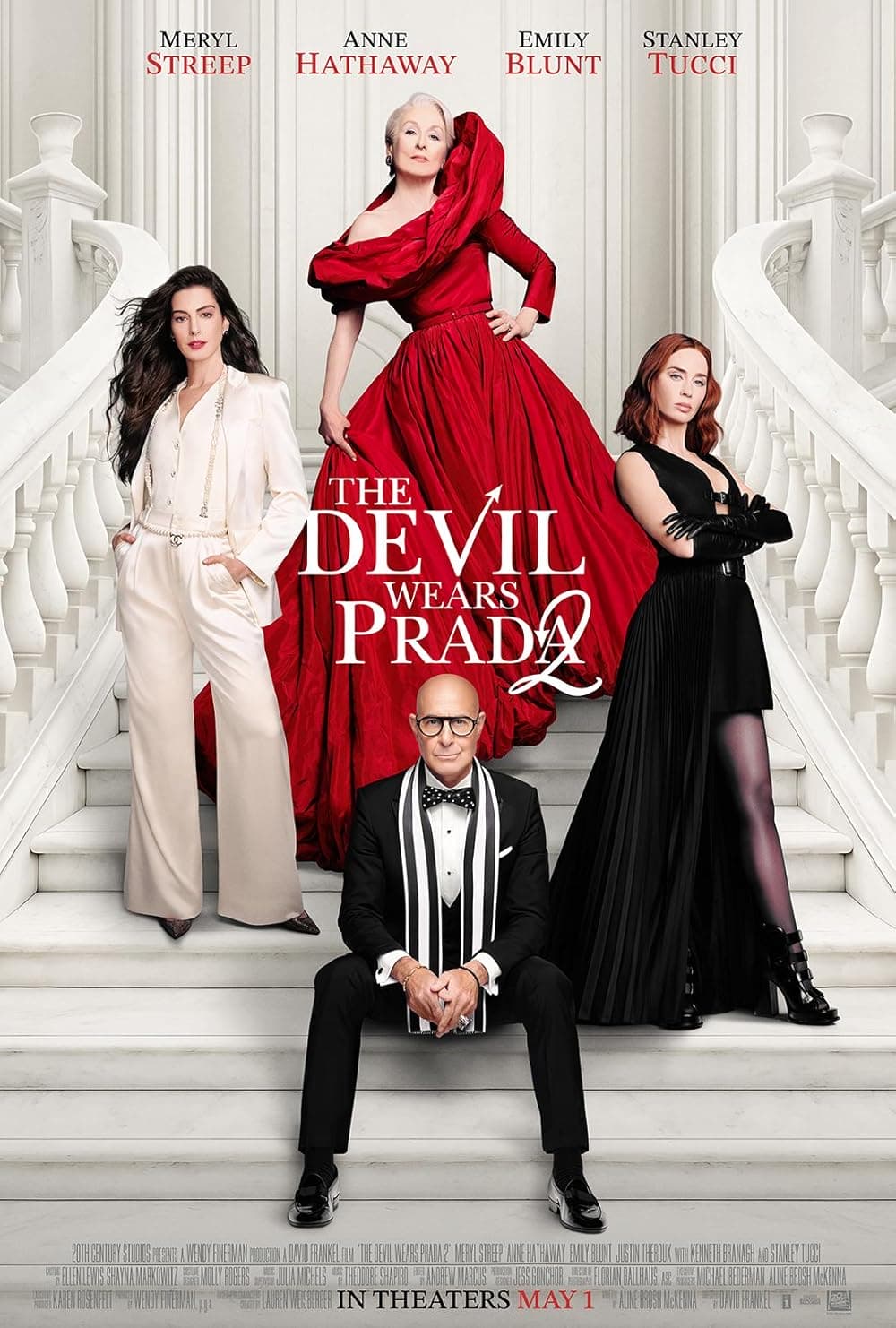
When The Devil Wears Prada first premiered in 2006, fashion media still operated through a hierarchy of exclusivity. Glossy magazines dictated trends, editors held near-mythical authority and luxury fashion remained largely inaccessible to the average consumer outside of department stores and print editorials. The film arrived during a wider cultural moment shaped by TV shows like Sex and the City and Gossip Girl, both of which framed luxury fashion consumption as entertainment in itself. The TV show Ugly Betty would follow shortly after, while singer-songwriter KT Tunstall’s “Suddenly I See” — featured in the film’s opening sequence — became inseparable from the era’s vision of fashionable young professional life.
How to Lose a Guy in 10 Days and 13 Going on 30 help reinforce the character of the young, ambitious fashion editor, which was already embedded within the cultural imagination by the mid-2000s. Audiences of the genre were fascinated by the inner workings of fashion magazines, designer wardrobes and the aspirational world surrounding luxury publishing. The Devil Wears Prada succeeded because it arrived at the precise moment when fashion media still felt both glamorous and aspirational.
What made the original Devil Wears Prada culturally significant was not simply its fashion references or quotable dialogue, but how accurately it reflected the industry at the time. Beneath its exaggerated humour sat a recognisable ecosystem of editors, assistants, photographers and designers operating within tightly controlled systems of influence. References like “Get me Patrick Demarchelier” or Miranda Priestly’s cerulean sweater monologue resonated because they reflected a world where fashion knowledge itself functioned as cultural currency.
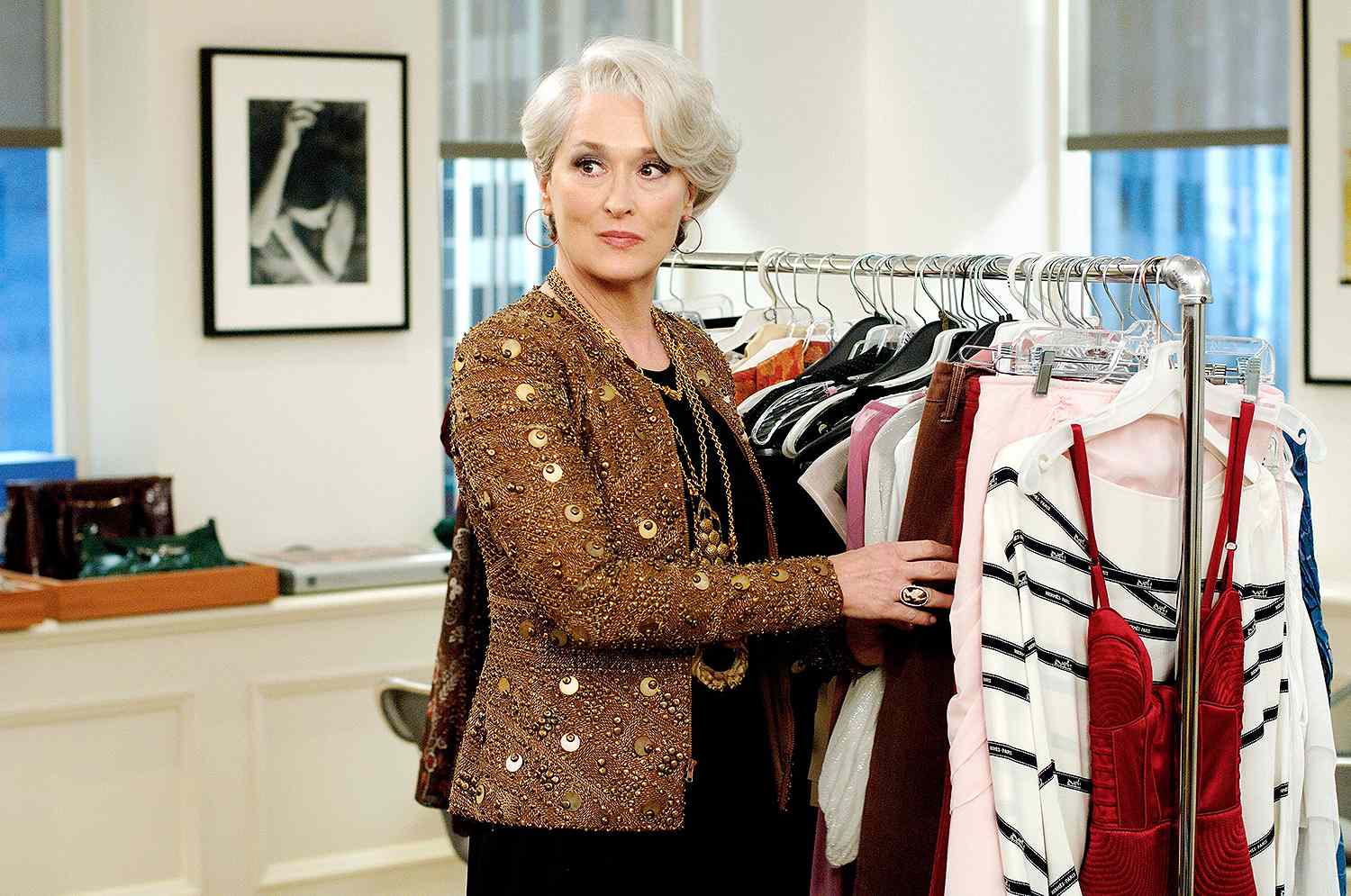
Nearly twenty years later, The Devil Wears Prada 2 arrives in an entirely different landscape.
“Layoffs, downsizing, consolidation”, says Andy Sachs, lamenting on the landscape of the media industry to a friend upon being fired from the fictional prestigious newspaper “The New York Vanguard”. Andy is then tapped to run Runway’s features department.
This editor will admit that heading into the sequel, there was a concern that the film would feel overly sanitised for a 2026 audience, stripped of the sharpness and industry cynicism that made the original compelling. Surprisingly, while The Devil Wears Prada 2 is undeniably softer around the edges, it does not entirely lose the biting observational humour that defined the first film. Instead, the sequel seems less interested in recreating the fashion industry of 2006 and more focused on examining what luxury culture has become amid the rise of social media and digital media.
Commercially, the strategy worked. The Devil Wears Prada 2 reportedly recouped more than 230 percent of its reported USD 100 million production budget within its opening weekend, earning approximately USD 233.6 million globally and becoming one of the biggest box office openings of 2026. Part of that success can be attributed to how effectively the film blurred the line between marketing campaign and immersive cultural event. Speaking on “The Art of the Brand podcast”, branding strategist Phillip Millar argued that the film’s promotional rollout succeeded because it transformed nostalgia into a participatory experience rather than relying solely on conventional advertising.
As Millar noted, audiences were encouraged to engage with the world of “Runway” before the film even premiered — through pop-ups, branded merchandise and highly shareable in-person experiences designed specifically for social media circulation. “People want in-person experiences,” he explained, adding that the campaign successfully gave audiences “a reason to go to the theatre” while turning the premiere itself into a form of luxury world-building.
Ironically, one of the campaign’s most successful marketing tools was the physical magazine itself. During the late 2010s, editorial workers became increasingly familiar with the looming narrative surrounding the “death of print”. Yet for The Devil Wears Prada 2, the tactile fantasy of magazines became part of the appeal once again. A limited-edition physical issue of “Runway” magazine featuring Emily Blunt’s character Emily Charlton was distributed through pop-ups in New York and Los Angeles, quickly becoming both collector’s item and a social media prop.
The sequel ultimately understands something the original film never needed to articulate, which is that in 2026, fashion culture exists as much through participation and online visibility as it does through the clothes themselves. The film also accurately reflects how dramatically fashion media’s power structure has shifted. In the original The Devil Wears Prada, fashion editors operated as near-untouchable gatekeepers. Stylist Patricia Field and costume designer Molly Rogers have both spoken about how certain luxury brands were initially hesitant — or outright declined — to participate in the first film out of fear of potential repercussions from Anna Wintour and Vogue. That level of editorial influence epitomised power in the fashion industry. A favourable cover story, runway review or editorial placement could materially shape a brand’s cultural relevance and commercial success.
Today, only a small handful of editors still command that kind of institutional authority, with Wintour remaining one of the last figures emblematic of that era. The balance of power has shifted away from traditional magazines towards advertisers, conglomerates, influencers and digital platforms. Brands no longer compete for scarce editorial space in the same way; instead, publications increasingly compete for advertising budgets and corporate partnerships in an oversaturated media ecosystem. Miranda having to hang up her own coat or being told to watch what she says during editorial meetings are fun reflection of this cultural shift in power dynamics.
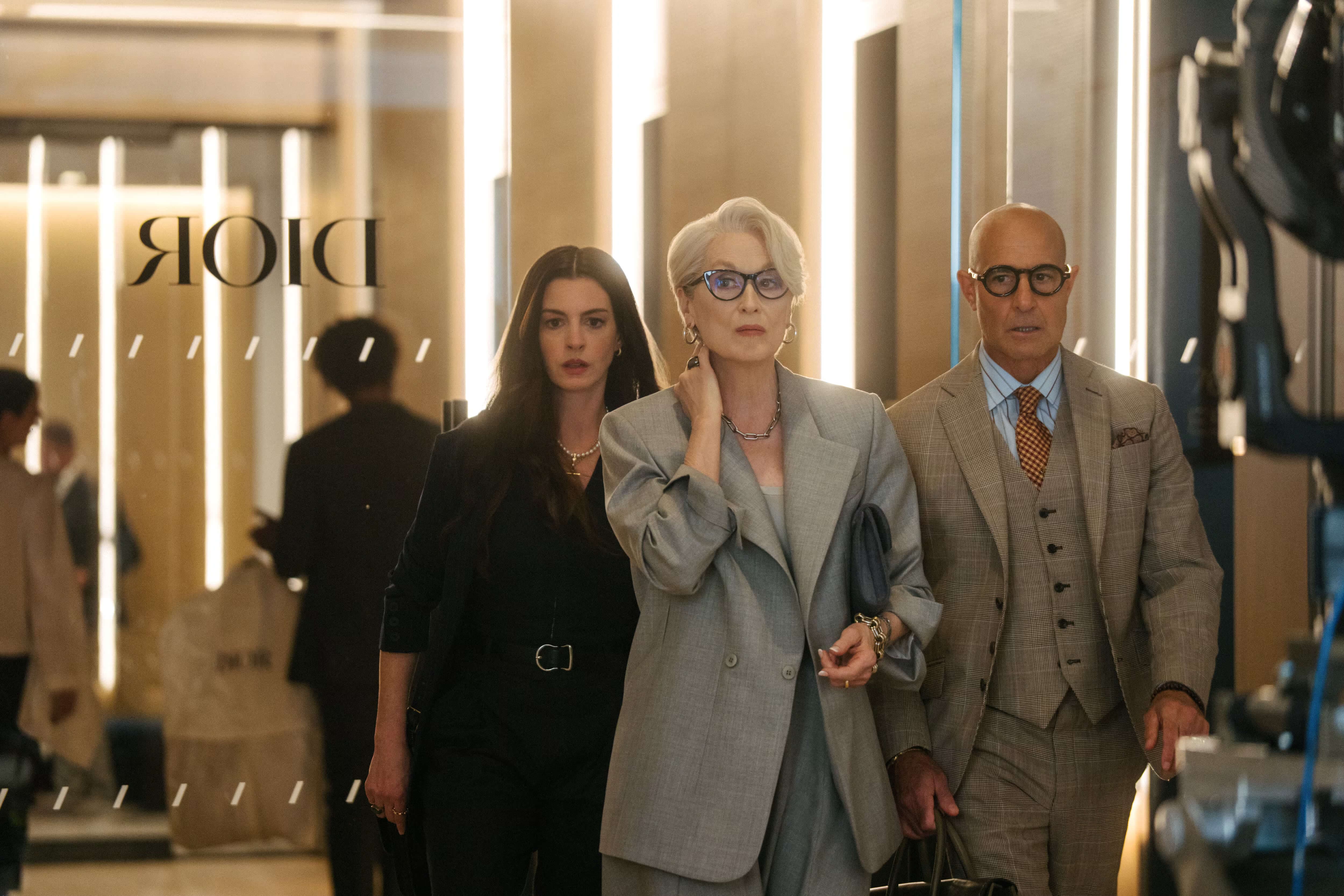
This is perfectly illustrated in the movie when Runway publishes a positive story on the fictional fashion company “Speedfash” which lied about their working conditions, resulting in Runway magazine seeming
complicit in promoting the company. This prompts a slew of angry email advertisers including Dior which is helmed by Emily Blunt’s character, Emily Charlton who is now a high-powered executive at the French Maison. In the fim, Dior constitutes 16 percent of Runway’s advertising spend and is a leading sponsor for all of Runway’s special events, reinforcing how dependent legacy media has become on advertiser relationships. One line in particular encapsulates the film’s broader thesis on fashion publishing in 2026: “Please help yourself to standards galore… but if there are no advertisers, there is no Runway.” She then follows bluntly with: “No us, no you.”
The sequel also subtly contrasts the economics of fashion consumption across two decades. In the original 2006 film, luxury still operated through a framework of aspirational scarcity. Early in the first film, Elias-Clarke chairman Irv Ravitz questions Miranda Priestly’s decision to cancel a fashion shoot in a brief elevator exchange with Nigel:
“Heard Miranda killed autumn jackets and pulled up the Sedona shoot… what’s that costing me?”
“About USD 300,000.”
“Must have been some lousy jackets.”
At the time, the exchange illustrated the immense budgets and excesses attached to luxury fashion publishing. Twenty years later, The Devil Wears Prada 2 presents a noticeably leaner ecosystem shaped by downsizing, collapsing print revenues and the growing reality that fashion media now survives through corporate alignment rather than the prestige of editorial print alone.
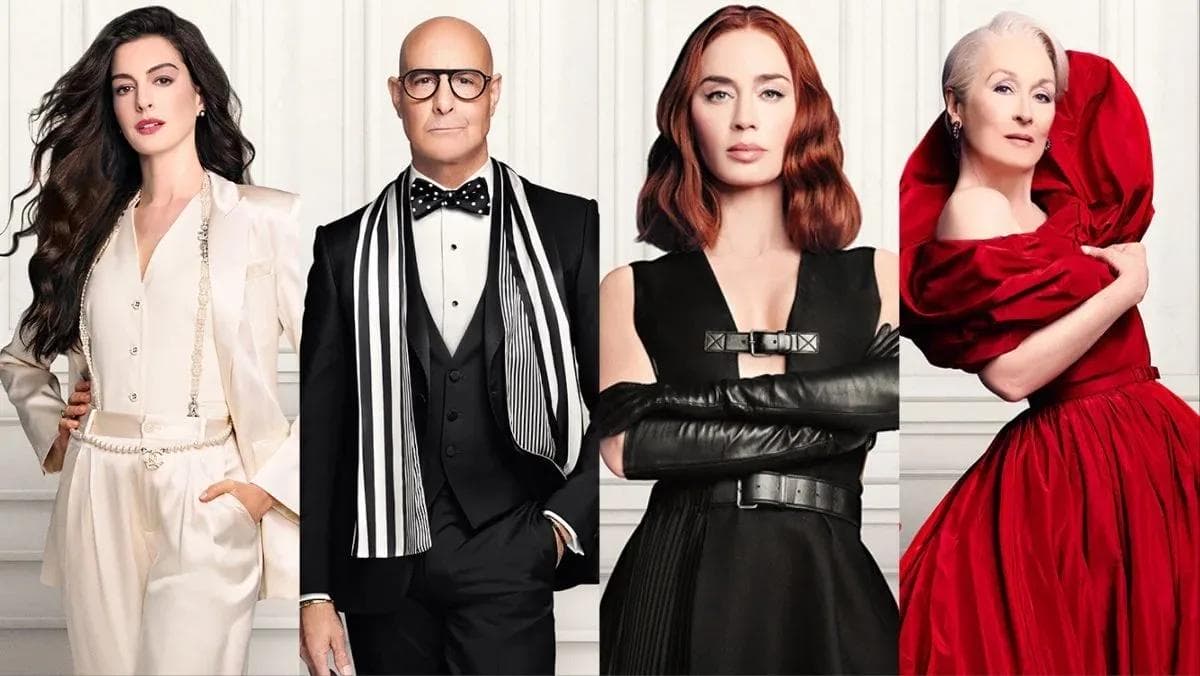
One of the sequel’s more interesting observations emerges through Emily Charlton’s storyline and the type of male power figures orbiting the fashion industry today. Unlike the first film, where fashion authority stemmed primarily from editors and publications, The Devil Wears Prada 2 reflects a world increasingly shaped by tech billionaires and corporate capital. Several characters feel clearly modelled on the contemporary class of Silicon Valley oligarchs — figures reminiscent of Elon Musk, Mark Zuckerberg and Jeff Bezos — whose growing proximity to luxury culture has become impossible to ignore.
That shift feels especially relevant following Jeff Bezos and Lauren Sánchez Bezos’ increasingly visible integration into elite fashion spaces, including reports that the couple served as lead sponsors and honorary chairs of the 2026 Met Gala. In many ways, the sequel recognises that fashion’s gatekeepers no longer sit exclusively inside magazine offices. They now exist across technology, finance, celebrity culture and platform ownership. This is what cinema and movies do best — hold up mirrors to the political, cultural and social landscape of the times.
The film’s weakest point, however, lies in its handling of Andy Sachs love storyline. In the original film, Andy’s romantic relationship functioned as a narrative device through which viewers understood the personal cost of ambition. Her struggle to balance professional transformation with personal relationships mirrored broader anxieties surrounding work, identity and success during the mid-2000s. By the time The Devil Wears Prada 2 begins, Andy has already evolved beyond those insecurities. She is confident, professionally accomplished and fully aware of the compromises required by the industry. As a result, the decision to introduce another romantic subplot feels unnecessary — almost as though the film remains reluctant to let a female lead exist without emotional framing through a relationship.
That contradiction becomes particularly noticeable given how much the sequel attempts to position its female characters as autonomous figures navigating power independently. Lucy Liu’s character Sasha Barnes, is seen as an elusive billionaire tycoon — written as someone explicitly defined outside of marriage or domestic identity, making Andy’s romantic subplot feel even more out of place within the film’s broader themes.
The film’s resolution also arrives somewhat abruptly. Much of the final act builds tension around the possible acquisition of Runway and its parent publishing company — Elias-Clarke — only for the narrative to resolve itself through a rapid series of phone calls and last-minute reveals. While the ending aims for surprise, it lacks sufficient narrative groundwork to fully land emotionally. For instance, what were Sasha Barnes’ motivations, business interests or strategic involvement that could have made the corporate storyline feel far more convincing? Instead, the resolution feels rushed in comparison to the slower industry-building that made the original film feel immersive.
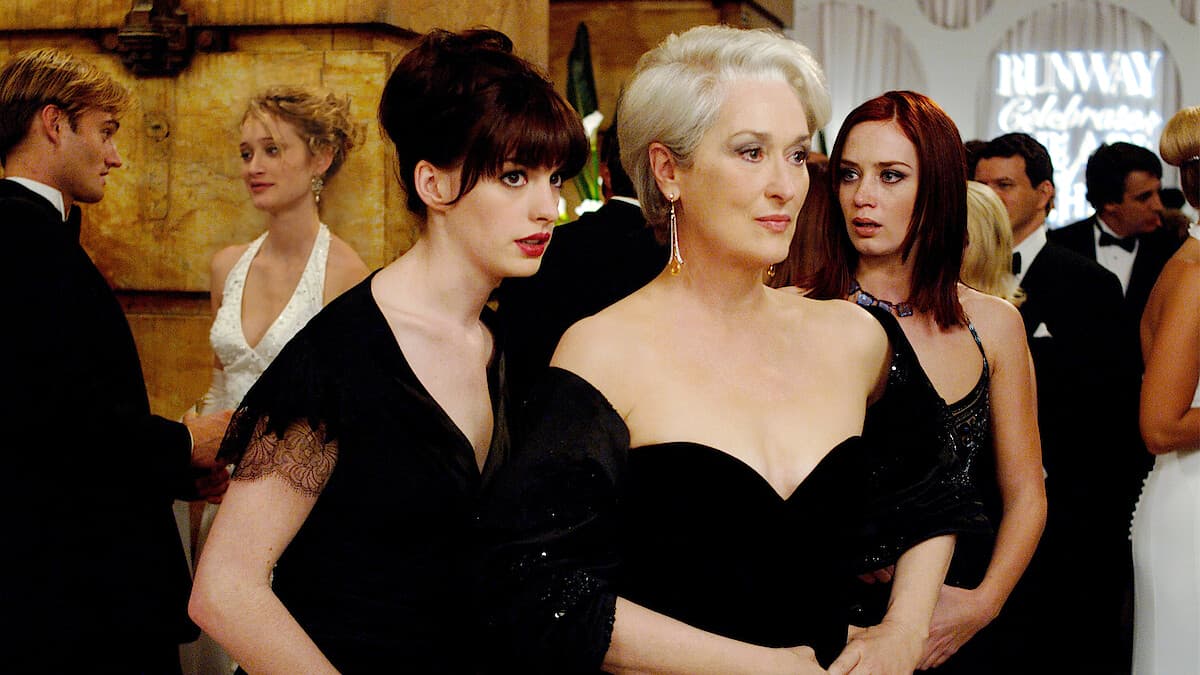
Ultimately, The Devil Wears Prada 2 does not capture the fashion industry in the same precise way its predecessor once did — largely because contemporary fashion itself no longer possesses a singular centre of gravity. One of the sequel’s most telling moments comes when Miranda tells Emily: “You should never be in charge of Runway, Emily… because you are beautiful and intelligent, but you don’t have what it takes. I’m sorry, but you’re not a visionary, you’re a vendor.”
The line lands because it cuts directly to the central anxiety surrounding modern fashion media. Emily represents the contemporary luxury ecosystem: commercially savvy, advertiser-conscious and deeply fluent in branding, partnerships and visibility. She understands how to monetise fashion culture. What Miranda questions, however, is whether monetisation alone is enough to sustain cultural authority.
That tension is precisely why The Devil Wears Prada 2 feels more relevant than expected. The film understands that fashion media today exists in a constant negotiation between creativity and commerce. Editors are no longer simply tastemakers; they are increasingly expected to operate as brand strategists, corporate intermediaries and revenue generators. The distinction Miranda draws between a “visionary” and a “vendor” reflects the broader transformation of the industry itself. In many ways, the sequel recognises that the modern fashion industry no longer struggles with visibility. It struggles with maintaining cultural identity within systems increasingly dominated by metrics and shaped by strategic partnerships and commercial survival.
For more on the latest in cinema and culture reads, click here.