
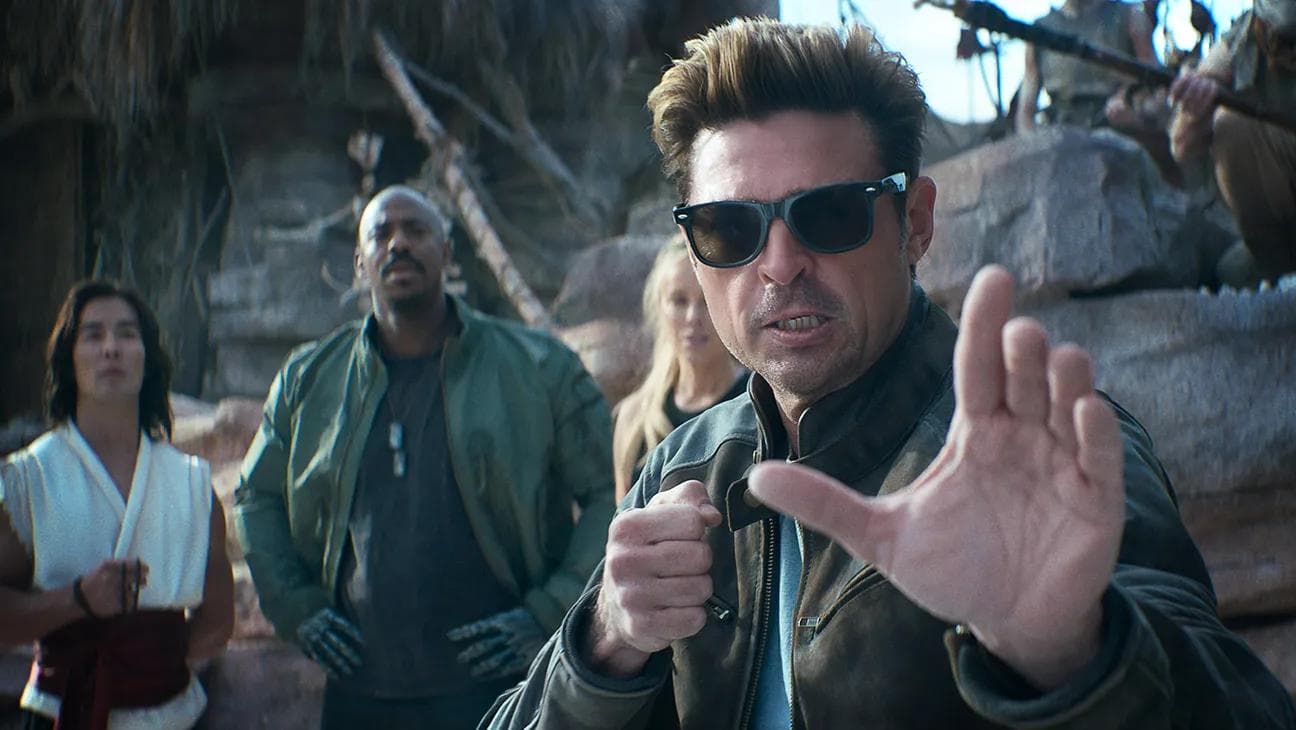
Mainstream cinema no longer shapes cultural conversations in the way it once did. Instead, mainstream cinema increasingly recycles familiar intellectual property, while riskier or more socially observant storytelling migrates toward television, limited series and prestige streaming. While films once acted as major sites of cultural commentary and social reflection, the resurgence of sequels, biopics and remakes reflects a film industry increasingly driven by cultural familiarity and commercial safety. While attending a screening of The Devil Wears Prada, the previews of upcoming movies included Mortal Kombat II, The Mandalorian & Grogu and Dune: Part Three, showcasing not only Hollywood’s reliance on action blockbusters but blockbusters that we as viewers are all too familiar with.
The Cultural Relevance of Cinema
Movies and cinema are no longer the dominant cultural medium. Culture is now fragmented, audiences are niche and attention spans are divided. Traditional movies compete with a plethora of digital streaming services, including Netflix, Amazon Prime Video, Disney+ and Apple TV+ alongside YouTube. In an era of fragmented attention, cinematic familiarity has become one of Hollywood’s most valuable commodities.
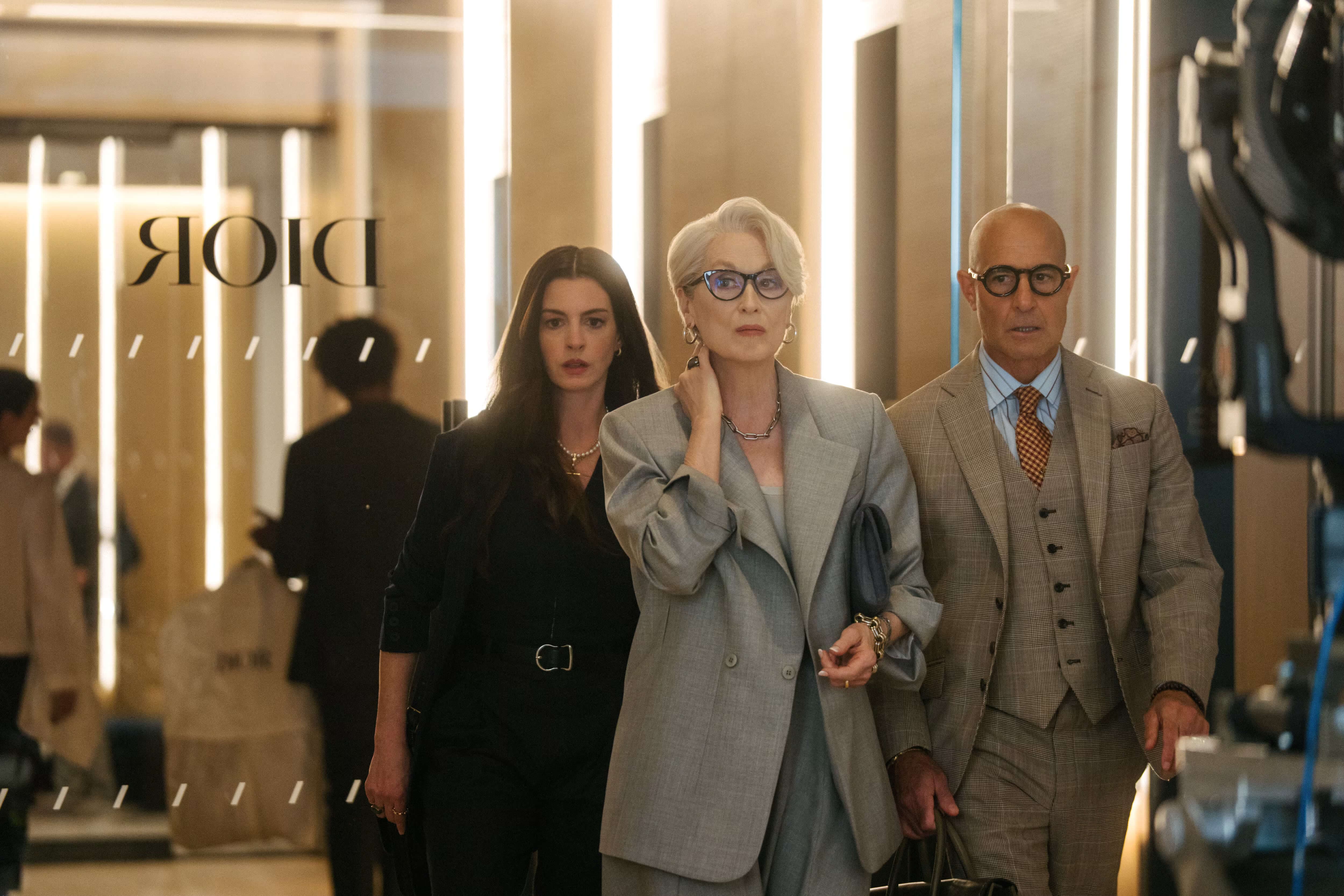
Film used to define aspirational culture. For example, the original Devil Wears Prada premiered in 2006 and shaped a culture of fashion aspirations, media fantasy and luxury consumption to an extent. Today’s fashion culture is decentralised, influencer-led and algorithmically driven. The original film arrived during the height of glossy magazine authority, when fashion media still functioned as a gatekeeper of aspiration. Today, that ecosystem has changed.
The success of sequels is dependent on new cultural observations rather than cultural recycling. Sequels work when they evolve cultural observation rather than repeat nostalgia. They need to push the conversation further. The Devil Wears Prada originally succeeded because it reflected a specific cultural moment. While the themes of the fashion industry that the movie first discussed has evolved since 2006, the sequel was also able to revisit already established worlds and hone in on the evolution in 2026 as opposed to simply recycling the same observation.

The Rise of Hollywood’s “Safe Genres”
Hollywood’s increasing reliance on what might be termed “safe genres” reflects an industry structured around minimising uncertainty at a time of heightened cultural scrutiny. Biopics, horror franchises and live-action remakes dominate release slates because they offer built-in narratives, recognisable intellectual property and, in many cases, established global fanbases. Biopics arrive pre-packaged with cultural awareness through their real-life subjects, horror franchises such as Scream benefit from (relatively) low production risk and high audience loyalty and remakes like Disney’s live-action adaptations carry inherent merchandising potential alongside pre-existing brand recognition.
However, this strategy is not without contradiction. Even projects designed to be “safe” are increasingly vulnerable to cultural backlash, particularly when attempts at modernisation or sanitisation are perceived as inauthentic. The discourse surrounding recent high-profile remakes — including debates over character representation and narrative adjustment in films such as the 2025 Snow White live-action remake or the 2020 remake of The Witches — illustrates how hyper-sanitisation can itself become a point of contention, alienating audiences rather than insulating studios from criticism.
In the case of Disney’s Snow White (2025), criticism centred on reports that CGI-generated “AI dwarfs” were used in place of casting actors with dwarfism. The decision triggered backlash from disability advocates and industry commentators, who argued that the move not only erased opportunities for disabled performers but also reinforced a wider pattern in Hollywood of replacing marginalised bodies with digital approximations.
A parallel debate emerged around the 2020 adaptation of The Witches, where concerns were raised over the depiction of physical disabilities during the titular character’s transformation scene. Critics argued that the film’s visual language risked reinforcing outdated stereotypes, particularly in how bodies were transformed into markers of villainy or otherness. Disability advocates pointed to a long history of cinema using physical difference as shorthand for moral deviation, warning that even modern reinterpretations can reproduce these associations if not carefully handled.
As a result, studios have become increasingly focused on “pre-awareness” as a guiding principle, prioritising projects that audiences already understand at a conceptual level before release. This has also encouraged a broader risk-averse creative culture in which ideological ambiguity is often avoided, complexity is flattened and narratives are carefully calibrated for maximum accessibility. In practice, the pursuit of safety has not eliminated controversy, but it has reshaped how films are developed, marketed and ultimately received.
Cultural Commentary Has Migrated to Television and Streaming Services
Cultural commentary in contemporary storytelling has increasingly migrated away from theatrical cinema and into television and streaming platforms. The kind of socially observant, structurally ambitious narratives once associated with mid-budget films now more commonly exist in limited series and prestige streaming formats, where longer runtimes allow for sustained character development, slower thematic unfolding and greater tonal flexibility.
This shift is evident in series such as Succession, The White Lotus, Beef, Industry, Adolescence, Black Mirror and Severance, all of which engage directly with contemporary structures of capitalism, class, power and gender dynamics. Unlike mainstream theatrical releases, which are often positioned as global entertainment products designed for broad accessibility, these shows are more willing to embrace discomfort, ambiguity and narrative complexity — qualities that can be harder to sustain within cinema’s commercial constraints.
For many audiences, cinema has increasingly become associated with escapism, while more intellectually or politically challenging material is consumed episodically at home. Television, by contrast, benefits from its serial form: it accommodates ensemble storytelling, gradual escalation and experimental pacing in ways theatrical film often cannot, particularly when global box office performance requires immediate legibility across diverse markets.
This is not to suggest that audiences have lost interest in cultural commentary. Rather, the conditions that once allowed film to dominate that space have shifted. Commentary has not diminished; it has redistributed across platforms better suited to its form. The cultural film has not disappeared, but its primary home has moved.
What’s Next?
The issue is not that audiences reject intelligent or culturally observant storytelling — the success of television shows proves otherwise. The question is whether mainstream film studios are still willing to invest in stories that create new cultural conversations instead of extending familiar ones. The real challenge for studios is not to be dependent on nostalgia, but proving it still has something new to say about the culture audiences live in today. Today’s fragmented media landscape — shaped by algorithms, streaming platforms and short-form content — makes it significantly harder for original films to achieve the same level of lasting cultural saturation.
For more on the latest in cinema and culture reads, click here.