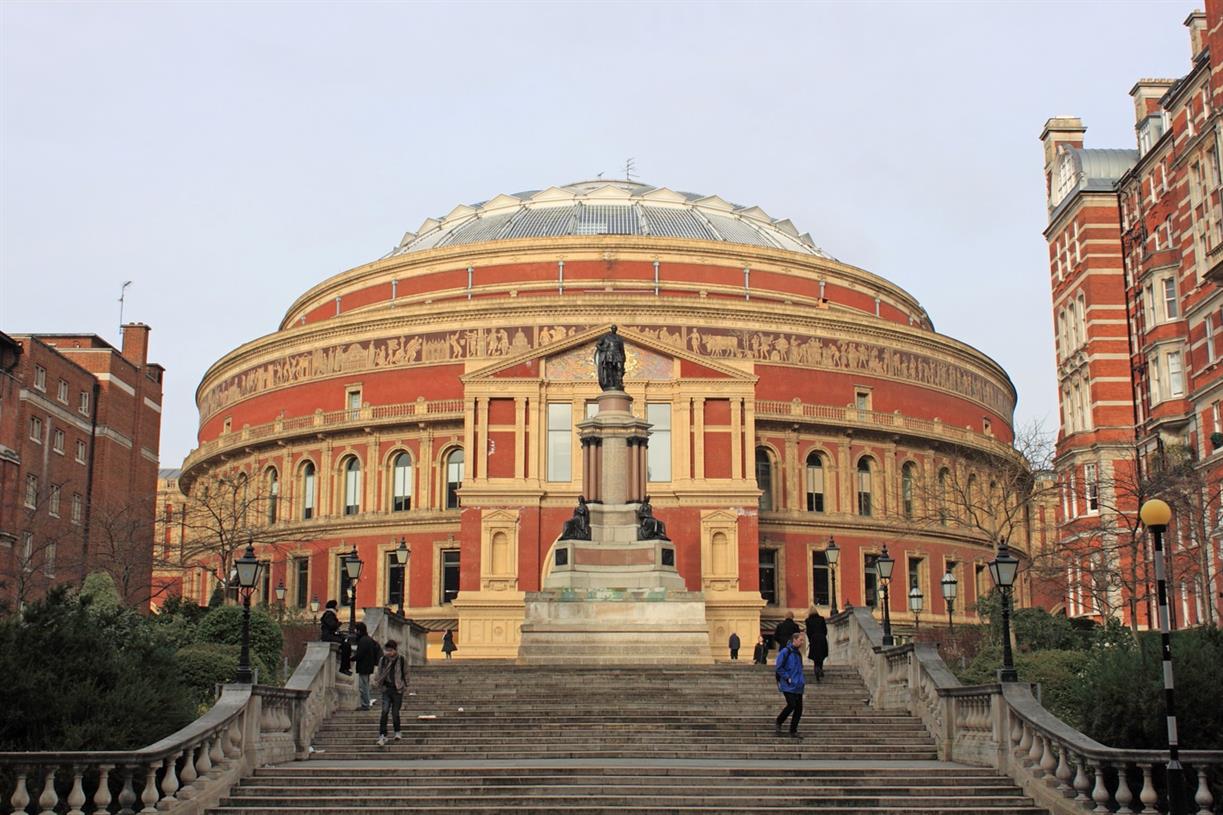
Legislation aimed at changing the constitution of the Royal Albert Hall is in danger of falling, which would send the bill back to the drawing board after more than three years.
The charity said the bill’s failure could result in “serious consequences” for the charity, including “significant costs, operational disruption and a real risk to the charity’s financial security”.
The Royal Albert Hall Bill, which was introduced as a private bill to parliament in November 2022, was designed to make changes to the charity’s constitution including amending the rules regarding the number of events seat-holders can be excluded from each year.
The bill had completed the majority of the parliamentary stages before parliament was prorogued this week but a carry-over motion that would allow its passage to continue in the next session of parliament was repeatedly blocked in the House of Commons.
The bill could be reintroduced in the next session of parliament, which is due to begin with the King’s speech on 13 May, by using a revival motion in both houses of parliament, with the legislation carrying on from where it left off if those motions are agreed.
But the bill would fall if the revival motions are rejected, meaning it would have to start again in the new parliamentary session.
A spokesperson for the Royal Albert Hall said: “It is vital to the charity that the bill succeeds and we are urging MPs to withdraw any objections so that it can be carried over into the next parliamentary session.
“If the bill fails, there could be serious consequences for the charity including significant costs, operational disruption and a real risk to the charity’s financial security.”
The bill was criticised at various stages by peers and MPs for failing to address a longstanding perceived conflict of interest at the heart of the hall’s governance.
The conflict of interest arises because about a quarter of the hall’s more than 5,000 seats are privately owned and those seat-holders receive tickets for most of the events that take place in the historic venue.
But the charity’s 25-strong trustee board, known as its council, includes 19 people who own seats and who are therefore able to influence the commercial decisions over the events the venue puts on.
Earlier this year, representatives of the hall agreed an undertaking with the Ways and Means Committee that would compel council members to declare the total amount of money they receive from the sale of their tickets each year.
The hall must go through parliament for any changes to its constitution because it was established as a charity by royal charter.
The next parliamentary session is due to begin on 13 May.