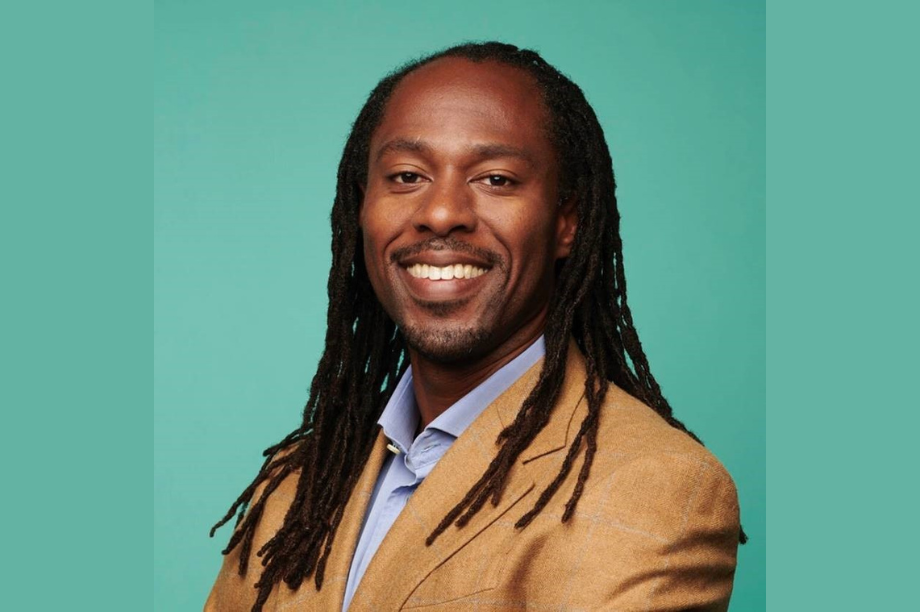
The Joseph Rowntree Charitable Trust has appointed Keon West as its first head of reparations.
West is currently the head of research at The Runnymede Trust, a race equality and civil rights think tank.
He has been a visiting professor at the London School of Economics since 2025 and is the bestselling author of The Science of Racism.
West, who will join the JRCT later this month, will design and lead a new reparations programme to address the charity’s historic endowment, which “is known to have benefitted from systems of colonial exploitation”, the charity said.
The JRCT was founded in 1904 using wealth generated by the Rowntree confectionery company, which is known to have benefitted from colonial-era trade.
West held several roles at Goldsmiths, the University of London, between 2013 and 2024, including lecturer, senior lecturer and professor of social psychology.
He has also worked as head of academic research at the Equality Group, a consultancy serving equity and venture capital firms, since 2019.
West said: “I am honoured to accept this role. It offers the power and the responsibility to make real, meaningful changes in the lives of those who have been exploited.
“It’s an opportunity and a duty that I take very seriously.”
The full scope of the reparations programme will be determined through the development of a strategic plan that aligns with the JRCT’s wider goals and funding programmes.
The trust rejected criticism in November from Katie Lam, the Conservative MP for Weald of Kent, who incorrectly claimed the head of reparations post would be “dishonestly” funded by donations.
“This role will seek to address past injustices in a way that advances our charitable purposes for the public benefit,” a charity spokesperson said at the time.
Nicola Purdy, chief executive of the JRCT, said West’s insight and experience positions him strongly to develop and lead the programme.
“For more than 120 years, JRCT has been guided by our founder’s belief that creating a better world requires addressing root causes rather than just symptoms,” Purdy said.
“We are committed to carrying this influence forward and we continue to support organisations that address the root causes of conflict and injustice.
“That’s why it’s important to us that our reparations programme – which will further our charitable purposes for the public benefit – addresses injustices and their lasting impact.
“As a Quaker organisation committed to values of peace, truth and equality, we believe this is the right next step and a core part of our charitable mission.”